


Awesome Blog Blog
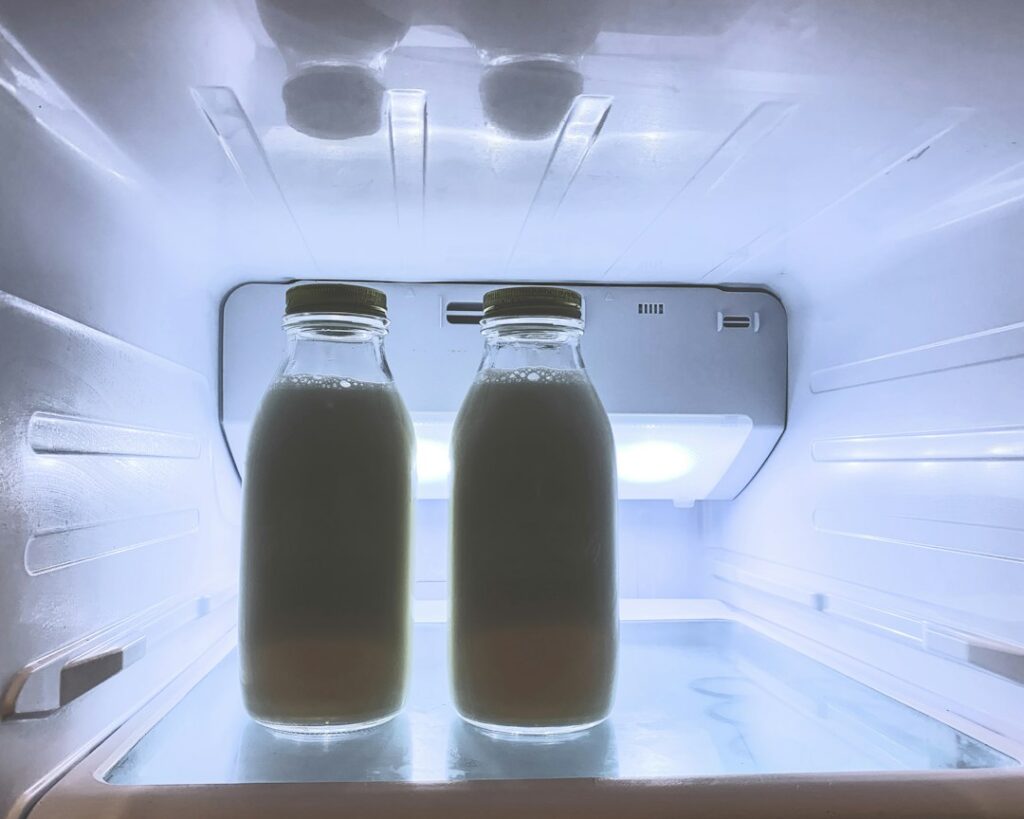
High Protein Milk: Protein, Calories, How It’s Made & Is It Worth It?
6 October, 2026High protein milk has moved from a niche fitness product into mainstream Indian dairy. The basic idea is simple: deliver much more dairy protein than ordinary milk in a ready-to-drink format. But products sold as high-protein milk can differ significantly in protein level, lactose content, calories, ingredients and processing.
This guide explains how high protein milk is made, how it compares with regular milk and whey protein, what to check on the label, and where it can fit in an Indian diet.
What is high protein milk?
Ordinary cow milk generally contains around 3–3.5 g protein per 100 mL, although the exact number varies with milk composition and standardisation. High protein milk is processed or formulated so that the final drink contains substantially more protein than regular milk.
The extra protein may come from concentrating milk itself, adding milk protein ingredients, or combining both approaches. The result is still a dairy-protein beverage, but the protein density can be several times higher than ordinary milk.
For example, Amul’s current High Protein Milk lists 35 g protein in a 250 mL pack, along with 225 kcal, 0.5 g fat and less than 0.1 g lactose per pack. That is far above the roughly 8 g protein you would expect from 250 mL of ordinary milk. Always check the latest pack label because formulations can change.
How is high protein milk made?
There is no single manufacturing route. Dairy processors can increase protein concentration in several ways.
Ultrafiltration
Ultrafiltration, or UF, uses a membrane that retains milk proteins while allowing much of the water, lactose and smaller dissolved components to pass through. The retained stream therefore becomes richer in protein. UF is widely used in the dairy industry to make milk protein concentrates and other high-protein ingredients.
Diafiltration
Diafiltration may be added after ultrafiltration. Water is introduced and filtration continues, helping remove more lactose and soluble minerals while retaining protein. This can further improve the protein-to-carbohydrate ratio.
Adding milk protein ingredients
Some high-protein beverages are formulated using milk solids, milk protein concentrate, skim-milk powder or related dairy ingredients. The ingredient list is therefore important: it tells you whether the product is mainly concentrated milk or a more heavily formulated dairy beverage.
Lactase treatment
Some products are also treated with lactase. This enzyme breaks lactose into glucose and galactose, reducing the lactose content. Amul, for example, lists beta-galactosidase in its High Protein Milk ingredient declaration and reports less than 0.1 g lactose per pack.
High protein milk vs regular milk
| Feature | Regular milk | High protein milk |
|---|---|---|
| Protein | About 3–3.5 g/100 mL | Can be much higher; check the label |
| Lactose | Naturally present | May be reduced or hydrolysed |
| Fat | Depends on full cream, toned or skimmed milk | Often low-fat, but varies |
| Calories | Depends on fat and carbohydrate | Can still be meaningful despite high protein |
| Processing | Standardisation, homogenisation and heat treatment | May include membrane filtration, extra milk proteins or lactase treatment |
| Best use | Everyday nutrition and cooking | Convenient higher-protein intake |
If you want to understand the basic milk categories first, see our guide to full cream vs toned vs double toned vs skimmed milk.
High protein milk vs paneer
They serve different purposes. Paneer is a concentrated solid dairy food, while high protein milk is a ready-to-drink beverage. Paneer provides meaningful protein along with fat and calcium, but its calorie density can be higher depending on the milk used. High protein milk can deliver a large amount of protein in a drinkable format and may be easier to use around workouts or busy schedules.
For a deeper food-based comparison, read our guide on paneer as a protein source.
High protein milk vs whey protein shake
A whey protein shake and high protein milk can sometimes provide a similar amount of protein per serving, but they are not the same product.
High protein milk generally contains a broader milk-protein profile, including both casein and whey unless the manufacturer has specifically fractionated them. It also contains other milk solids and minerals.
Whey protein powder is more concentrated and lets you control the serving size very precisely. It is usually more protein-dense per gram and may contain less carbohydrate and fat, especially in isolate form.
If you want a ready-to-drink option and do not like mixing powders, high protein milk can be convenient. If you want maximum protein with tighter calorie control, whey powder may be more flexible.
Is high protein milk useful for muscle gain?
It can be. Milk proteins are complete proteins containing all essential amino acids, so a high-protein dairy drink can be a practical post-workout or between-meal option.
The bigger picture still matters: total daily protein intake, resistance training, sufficient energy and recovery are more important than any single product.
Can high protein milk fit a weight-loss diet?
Yes, but a product labelled “high protein” is not automatically low calorie. Protein can help make meals more filling, but the entire nutrition panel still matters.
A 250 mL high-protein beverage containing 225 kcal is a meaningful calorie contribution. Compare protein per serving with total calories, sugars and fat rather than looking only at the headline protein claim.
A practical metric is protein per 100 kcal. This helps compare different products on a like-for-like basis.
What should you check on the label?
- Protein per serving: compare actual grams, not just marketing language.
- Serving size: a large protein number can partly reflect a larger pack.
- Calories: important when comparing products.
- Total and added sugars: lactose-free does not automatically mean sugar-free.
- Fat and saturated fat: these can vary considerably.
- Ingredient list: look for milk solids, milk protein concentrate, sweeteners, flavours and stabilisers.
Lactose-free does not mean dairy-free
Lactose-free milk is still a dairy product and still contains milk proteins such as casein and whey. The term only refers to lactose. This distinction is important when choosing between lactose-free products and non-dairy beverages.
If your main question is about milk-protein type rather than lactose, read our article on A2 milk vs regular milk.
Does high protein milk contain both casein and whey?
In most whole-milk concentration processes, yes. Normal bovine milk protein is roughly 80% casein and 20% whey protein. Ultrafiltration of milk typically retains both fractions, so milk protein concentrate keeps a protein profile broadly similar to milk.
Microfiltration can be used when a processor wants to separate casein micelles from native whey proteins. That is a different objective from simply concentrating total milk protein.
Why can high protein milk become thick?
Protein-rich dairy beverages can feel thicker because increasing protein raises total solids and changes the interactions between casein, whey proteins, minerals and water. Chilling can further influence viscosity.
Amul specifically advises that its High Protein Milk may become thicker when refrigerated and that gentle warming can reduce the thickness. It also advises avoiding boiling because the concentrated protein can stick to the base of the vessel.
Who may find it most useful?
High protein milk can be useful for people who find it difficult to reach protein targets through regular meals, people who exercise regularly, busy professionals, older adults with low protein intake, and vegetarians who rely heavily on dairy for complete protein.
It is not essential for everyone. If your diet already provides sufficient protein through milk, curd, paneer, dals, soy, eggs, meat or other foods, regular milk may be adequate.
High protein milk in India: a current example
As of September 2026, Amul’s official product information lists the following per 250 mL pack:
- 35 g protein
- 225 kcal
- 0.5 g total fat
- 20 g carbohydrate
- 20 g total sugars
- 0 g added sugar
- less than 0.1 g lactose
The ingredient list includes water, milk solids, beta-galactosidase and vanilla flavouring substances. This is a useful example of why consumers should read the complete nutrition panel rather than assuming that high protein automatically means low carbohydrate or very low calorie.
Frequently asked questions
How much protein is there in high protein milk?
There is no single number. Products vary widely. Some provide around 15–20 g per serving, while highly concentrated products can provide 30 g or more. Check both serving size and protein per 100 mL.
Is high protein milk lactose-free?
Not always. Some products are lactose-free because they are treated with lactase or processed to reduce lactose; others still contain lactose. Check the label.
Can high protein milk replace whey protein?
It can replace a whey shake in some situations if the protein amount fits your target. Whey powder, however, is usually more concentrated and easier to dose precisely.
Is high protein milk better than regular milk?
It is better only if you specifically need more protein in a convenient format. Regular milk remains a nutrient-dense everyday food and may be more economical for many households.
Can I boil high protein milk?
Follow the pack instructions. Highly concentrated protein beverages may thicken, scorch or stick during aggressive heating. Gentle warming is often preferable when the manufacturer advises it.
Bottom line
High protein milk is best viewed as a convenient dairy-protein tool, not a magic health product. Its biggest advantage is protein density: one serving can provide far more protein than ordinary milk. The trade-offs are usually higher price, more processing and, depending on the formulation, meaningful calories and carbohydrate.
The right question is not simply “Is high protein milk healthy?” but “Does this product improve my overall diet for the calories and price I am paying?” Read the nutrition panel, compare protein per serving and choose based on your actual requirement.
For more milk science, see our guide to cow milk vs buffalo milk.