


Awesome Blog Blog
How to Store Milk Safely at Home: Fridge Temperature, Shelf Life & Spoilage
1 November, 2026Milk safety at home depends on temperature, time and handling. A clean, sealed pack of pasteurized milk can become unsafe if it is left warm for too long. Conversely, a correctly stored pack does not need repeated boiling simply because it has been refrigerated.
What temperature should milk be stored at?
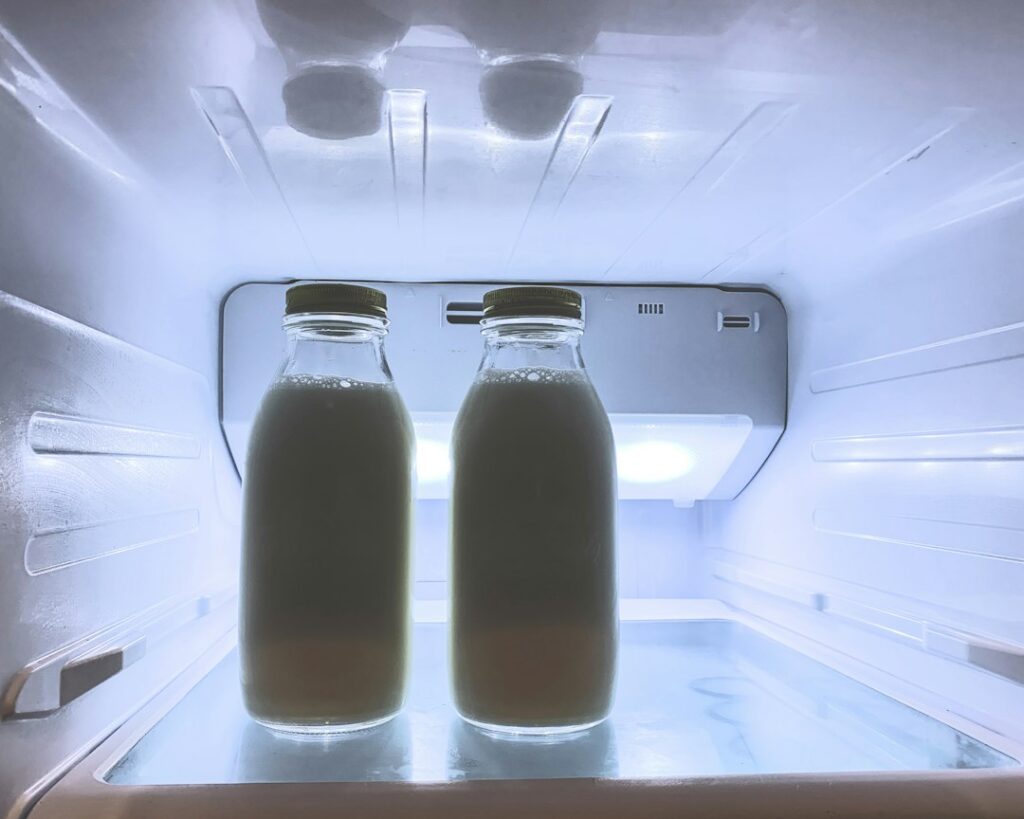
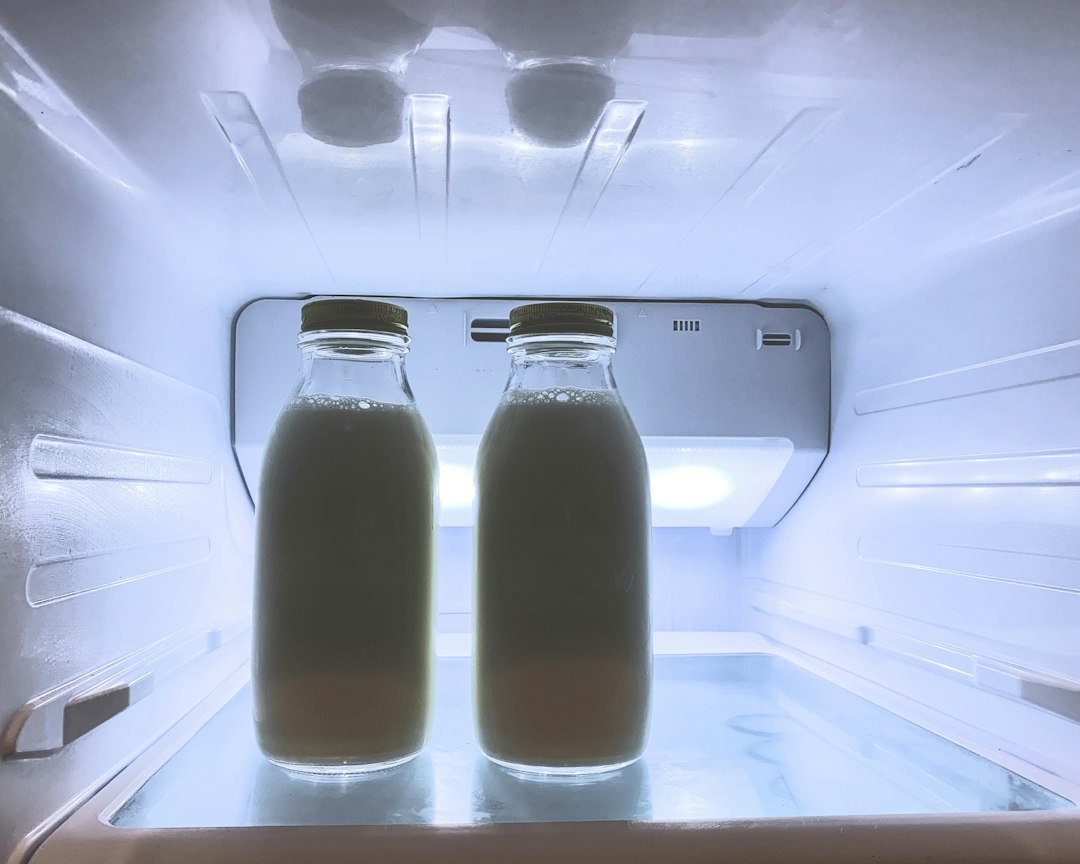
Keep refrigerated milk at 4°C (40°F) or below. Use a refrigerator thermometer rather than assuming the dial number represents the actual temperature. Put milk on an interior shelf, not in the door, where temperatures fluctuate with opening. Follow any stricter temperature specified on the pack.
How long can milk stay outside the fridge?
As a general food-safety rule, refrigerate perishable food within two hours; when the surrounding temperature exceeds 32°C (90°F), reduce that window to one hour. This is a maximum handling rule, not a recommendation to leave milk warm. Return milk to the refrigerator promptly after pouring.
Does packaged milk last three or seven days?
There is no single reliable number for every pouch or bottle. Shelf life depends on pasteurization, packaging, initial microbiological quality and the cold chain. Check the manufacturer’s use-by date and after-opening instructions. Opening introduces new opportunities for contamination. Do not assume a printed date remains valid after prolonged warm exposure.
Pasteurized milk versus unopened UHT milk
Pasteurized milk needs refrigeration. Properly processed and aseptically sealed UHT milk can generally be stored unopened at room temperature as directed on its label. After opening UHT milk, refrigerate it and follow the pack’s consumption instructions. For the processing differences, read UHT milk vs pasteurized milk.
Six practical steps to reduce spoilage
- Buy chilled milk last and take it home promptly, preferably in an insulated bag during hot weather.
- Check that the pouch or bottle is intact and within its date.
- Refrigerate immediately at 4°C or colder.
- Pour into a clean vessel; avoid drinking directly from a shared container.
- Keep containers covered and use clean utensils.
- Do not combine old leftover milk with a new pack to extend its life.
How do you recognize spoiled milk?
Curdling, visible mould, an abnormal sour or rotten smell, gas formation or a swollen package are warning signs. Discard suspicious milk; do not taste it to test safety. Harmful microorganisms may be present even when milk looks and smells normal. Appearance and smell cannot certify safety.
What if there is a power cut?
Keep the refrigerator door closed as much as possible. The FDA advises that an unopened refrigerator generally keeps food cold for about four hours during a power outage. Check the actual temperature and duration before deciding whether to keep milk. If milk has been above safe refrigeration temperature for too long, discard it rather than trying to rescue it by boiling.
Can you freeze milk instead?
Freezing can help preserve surplus properly handled milk, but texture may change. Freeze in a suitable container with space for expansion and thaw in the refrigerator. See the separate milk-freezing and thawing guide.
Frequently asked questions
Is the fridge door a good place for milk?
An interior shelf is generally better because the temperature fluctuates less.
Does boiling spoiled milk make it safe?
No. Heating is not a reliable way to reverse spoilage or remove every hazard from improperly stored milk.
Should milk be kept in the freezer compartment?
Only when intentionally freezing it in a freezer-safe container. For routine daily use, refrigerate at 4°C or below.
Is curdling always proof of spoilage?
Milk can also curdle intentionally when acid is added during paneer making. Unexpected curdling in stored drinking milk is a reason not to consume it.
Bottom line
For household milk safety, prioritize a reliable cold chain, clean handling and the manufacturer’s instructions. Do not rely on smell alone, and do not use boiling to compensate for unsafe storage.