Amul Fresh Cream 1L: Price, Fat %, Pack Sizes & Uses

AapKi Apni Online Dairy Buy Now
back

UHT Milk UHT Milk

Amul Fresh Cream 1L: Price, Fat %, Pack Sizes & Uses

Updated: 26 September 2026. If you are searching for Amul Fresh Cream price, pack size, fat percentage, storage or uses, this guide brings the key information together from Amul’s current official listings and product information.

For the Awesome Dairy product listing, see Amul Fresh Cream 1L. You can also browse the Cream category. Ordering on Awesome Dairy is currently paused, so use the product page for product information and availability updates rather than assuming immediate purchase availability.

Amul Fresh Cream 1L price: current reference

As checked on 26 September 2026, Amul’s official online shop lists Amul Fresh Cream 1L in a pack of 12 at MRP ₹3,000, which works out to ₹250 per litre. Retail prices, pack combinations and availability can change by date, seller and location, so always check the current listing or the physical pack before buying.

Official source: Amul Fresh Cream 1L – Amul Shop.

What is Amul Fresh Cream?

Amul describes Fresh Cream as a low-fat dairy cream with a smooth texture and rich milky taste. It is made from milk cream and is used in both savoury and sweet dishes. The official product information lists milk fat, water and milk solids as the main ingredients.

Amul’s published product specification states a minimum milk fat content of 25%. This makes Fresh Cream suitable for adding richness to curries, soups, sauces, pasta, desserts, fruit salads, coffee and other preparations.

Amul Fresh Cream pack sizes

The current official Amul online assortment we checked shows Fresh Cream in 1 litre and 250 ml formats, sold in different multipacks online. Amul’s product information also describes 250 ml as a household pack and 1 litre as a pack commonly used by caterers, hotels, restaurants and institutions.

What about Amul Fresh Cream 100ml?

Many people search for “Amul Fresh Cream 100ml price”. In the current official Amul online listings checked for this guide, we found Fresh Cream in 250 ml and 1 litre formats rather than a 100 ml Fresh Cream pack. Pack availability can differ by market, retail channel and time, so check the latest local pack or official listing if you specifically need 100 ml.

Amul Fresh Cream fat percentage

According to Amul’s published specifications, Fresh Cream contains minimum 25% milk fat. The same official specification gives SNF at 6.8% and describes the product as aseptically packed after high-temperature processing.

Official product information: Amul Fresh Cream product details.

Amul Fresh Cream vs Amul Whipping Cream

The two products are not identical. Amul Fresh Cream is specified at a minimum 25% milk fat, while Amul’s current Whipping Cream listing describes a dairy whipping cream with 30% milk fat.

  • Fresh Cream: useful for cooking, sauces, curries, soups, coffee, fruit dishes and desserts where creaminess is the main requirement.
  • Whipping Cream: formulated with a higher fat level and specifically intended for whipping as well as cooking and topping.

If you need firm whipped peaks for cake decoration or similar applications, a whipping cream product is generally the more appropriate choice. If you primarily need richness and a creamy texture in cooking, Fresh Cream is usually the more direct fit.

How to use Amul Fresh Cream

Amul’s current product information suggests a wide range of uses. Common applications include:

  • dal makhani and other creamy curries;
  • pasta sauces and soups;
  • fruit salads and sweet dishes;
  • ice cream and desserts;
  • salad dressings;
  • coffee and hot beverages;
  • smoothies and other creamy preparations.

A practical approach is to add cream toward the later stage of cooking and avoid unnecessarily aggressive boiling after addition, especially when texture is important.

Storage and shelf life

Amul’s published product information says unopened Fresh Cream should be stored in a cool and dry place. The older official specification lists a shelf life of up to 120 days from packaging under the stated storage conditions for 250 ml and 1 litre packs.

Once a pack is opened, follow the storage and use instructions printed on the current physical pack. Refrigeration after opening is the sensible handling practice for an opened dairy cream product.

Does Amul Fresh Cream contain vegetable oil?

Amul’s current official shop states that Fresh Cream is made from fresh milk cream and contains no vegetable oil. It also states that no preservatives are added.

Frequently asked questions

What is the fat percentage of Amul Fresh Cream?

Amul’s published specification states minimum 25% milk fat.

What is the current price of Amul Fresh Cream 1L?

On 26 September 2026, Amul’s official online shop listed the 1L product in a pack of 12 at ₹3,000, equivalent to ₹250 per litre. Prices and availability can change, so verify the current listing before purchase.

Is Amul Fresh Cream available in 100ml?

The current official online listings checked for this guide showed 250 ml and 1 litre Fresh Cream formats. Local or channel-specific pack availability may differ.

Can Amul Fresh Cream be used for cakes?

It can be used in cake mixtures, fillings and desserts where dairy richness is required. For stable whipped decoration, Amul’s higher-fat Whipping Cream is the product specifically designed for whipping.

Does unopened Amul Fresh Cream need refrigeration?

Amul’s official product information describes storage of the unopened aseptic pack in cool, dry conditions. Always follow the current pack instructions, particularly after opening.

Bottom line

Amul Fresh Cream is a 25% milk-fat dairy cream designed mainly for adding smoothness and richness to food. The 1L format is especially relevant for higher-volume use, while the 250 ml format is more convenient for many households. If your search intent is specifically whipping, compare it with a dedicated whipping cream rather than assuming the two products perform identically.

Sources checked: Amul official shop and Amul official product information. Product prices and availability were checked on 26 September 2026 and can change afterward.

UHT Milk vs Pasteurized Milk: Nutrition, Safety, Shelf Life & Which Is Better?

UHT milk vs pasteurized milk is mainly a question of heat treatment, packaging and storage, not whether one is “real milk” and the other is not. Both start with milk. The difference is what happens next: pasteurized milk receives a lower heat treatment and stays in the cold chain, while UHT milk is heated much more intensely for a few seconds and then packed aseptically so it can remain unopened at room temperature for months.

For most people, the choice comes down to taste, refrigeration, travel convenience and how quickly the pack will be consumed. Nutritionally, the major components such as protein, fat, lactose and minerals remain broadly similar when comparable milk types are chosen.

UHT milk vs pasteurized milk: quick comparison

Point Pasteurized milk UHT milk
Typical heat treatment About 72°C for 15 seconds, or equivalent process At least 135°C for 1 second or more under FSSAI’s published definition
Packaging Hygienic pack, usually for refrigerated distribution Aseptic, hermetically sealed pack
Before opening Needs refrigeration Can normally be stored at room temperature according to the pack instructions
After opening Keep refrigerated Keep refrigerated
Shelf life Shorter Usually several months unopened
Taste Closer to fresh milk flavour May have a slightly cooked or caramelised note
Protein, fat, lactose, minerals Broadly retained Broadly retained
Heat-sensitive vitamins Some loss can occur Some losses can be greater than pasteurization

What exactly is pasteurized milk?

Pasteurization is designed to destroy disease-causing microorganisms while keeping the milk close to its original sensory and nutritional character. One common commercial process is HTST, short for high-temperature short-time pasteurization.

FSSAI’s published dairy compendium describes pasteurization of milk using combinations such as 63°C for 30 minutes or 72°C for at least 15 seconds, followed by immediate cooling. The U.S. FDA also lists 72°C for 15 seconds as a recognized milk pasteurization combination.

Pasteurized milk is not commercially sterile. That is why the cold chain matters. It must remain refrigerated from the dairy through distribution, retail and the consumer’s refrigerator.

What is UHT milk?

UHT stands for Ultra High Temperature. FSSAI’s published definition describes UHT treatment as heating milk to at least 135°C for one second or more in continuous flow, followed by aseptic packing in hermetically sealed containers.

That combination of heat treatment and aseptic packaging is the important part. UHT alone is not simply “boiling milk harder.” The processed milk must be protected from recontamination during filling and sealing.

This is why an unopened UHT milk pack can usually sit on a shelf without refrigeration for months. The exact shelf life depends on the process, raw milk quality, package barrier, formulation and storage conditions, so the date printed by the manufacturer is the one to follow.

Does UHT milk have fewer nutrients?

The biggest misconception is that UHT treatment somehow removes the protein or calcium from milk. It does not.

Published reviews of heat-treated milk show that protein, fat, lactose and minerals are largely unchanged by pasteurization or UHT processing. The biggest differences are more likely to involve heat-sensitive vitamins and flavour compounds.

Some B vitamins and vitamin C can show higher losses with stronger heat treatment or long storage. That sounds dramatic until you put it in context: milk is consumed primarily for protein, calcium, fat, lactose and several micronutrients, not as a major source of vitamin C. For most consumers, the nutritional difference between a comparable pasteurized and UHT milk is much smaller than the difference created by choosing full-cream, toned, double-toned or skimmed milk.

If fat and calorie level is your main concern, our guide to full cream vs toned vs double toned vs skimmed milk is more useful than simply choosing between UHT and pasteurized processing.

Does UHT processing damage milk protein?

Heat does change the structure of some whey proteins. In dairy technology this is called protein denaturation. Denaturation is not the same as destroying the protein or removing its amino acids.

In fact, controlled protein denaturation is important in many dairy processes. Yogurt manufacture, for example, deliberately uses heat treatment to change milk proteins and improve final texture.

The casein fraction, which makes up most of milk protein, is comparatively heat stable. The nutritional protein value of UHT milk therefore remains substantial and comparable with pasteurized milk when the starting milk composition is similar.

Why does UHT milk taste different?

Some people notice a mildly cooked, sweet or caramel-like flavour in UHT milk. Higher heat exposure can produce changes in sulfur-containing compounds and can encourage limited Maillard-type reactions between milk sugar and proteins.

Modern UHT systems reduce unnecessary heat load by heating and cooling very quickly. Even then, sensory differences can remain. Whether that is good or bad is personal. People who grew up drinking chilled pasteurized milk often prefer its fresher flavour, while regular UHT users may barely notice the difference.

Which milk is safer?

Both are safe choices when produced legally, packaged properly and stored according to instructions.

Pasteurized milk relies heavily on refrigeration after processing. UHT milk gets a much longer unopened shelf life because the heat process is combined with aseptic packaging.

The practical risk with either product begins when storage instructions are ignored. A pasteurized pouch left warm for too long can spoil quickly. An opened UHT pack also becomes a perishable refrigerated product. Once the seal is broken, treat it like other milk and follow the manufacturer’s “refrigerate after opening” and consumption guidance.

Does UHT milk contain preservatives?

Commercially shelf-stable UHT milk does not need preservatives simply to achieve its long unopened shelf life. The preservation effect comes from the UHT process plus aseptic packaging.

Still, read the ingredient list. Flavoured milk, fortified beverages and milk-based drinks can contain additional permitted ingredients. Plain UHT milk and a formulated dairy beverage are not automatically the same product.

If you are concerned about carton-pack milk specifically, see our earlier explainer: Is Milk in Tetra Pack Safe for Consumption?

Do you need to boil UHT milk before drinking?

For a sealed, commercially produced UHT milk pack that has been stored correctly and is within its date, re-boiling is generally unnecessary from a processing standpoint. The product has already undergone commercial heat treatment and aseptic filling.

The same logic applies to pasteurized packaged milk: it has already been heat treated. Some households still boil packaged milk because of habit, expected flavour, uncertainty about cold-chain handling, or how they plan to use it. Repeated boiling, however, does not make correctly processed packaged milk nutritionally better.

UHT or pasteurized milk for tea and coffee?

Both work. Pasteurized milk often gives a fresher dairy note, while UHT milk is convenient for offices, travel, hotels, vending, remote locations and homes where refrigeration space is limited.

For tea or coffee, the fat and protein level of the milk can influence body and mouthfeel more than the UHT-versus-pasteurized label. A full-cream UHT milk can feel richer than a low-fat pasteurized milk simply because the compositions differ.

UHT or pasteurized milk for curd and yogurt?

Both can ferment successfully when the milk and starter are handled correctly. UHT milk has already undergone strong heat treatment, which changes whey proteins and can sometimes support a firmer fermented gel.

Do not confuse the milk process with the fermented product itself. If you want to understand that distinction, read our guide on curd vs yogurt.

What should you choose?

Choose pasteurized milk when you have reliable refrigeration, consume milk frequently and prefer a fresher flavour.

Choose UHT milk when shelf life, pantry storage, travel, emergency stock, e-commerce delivery or reduced dependence on the cold chain matters more.

Neither processing method automatically makes the milk higher-protein, lower-fat or more suitable for your diet. Check the nutrition panel and the actual milk category. A toned UHT milk and full-cream pasteurized milk are compositionally different for reasons that have little to do with heat treatment.

Likewise, A1 and A2 refer to beta-casein genetics, not pasteurization method. If that is what you are comparing, see A2 milk vs regular milk.

Frequently asked questions

Is UHT milk real milk?

Yes. UHT refers to the heat-processing method. Plain UHT milk is still dairy milk. Always check the product name and ingredient list because milk beverages and flavoured dairy drinks can have additional ingredients.

Can UHT milk stay outside the fridge?

Before opening, a properly processed aseptic UHT pack can usually be stored at room temperature until its marked date, subject to the manufacturer’s storage instructions. After opening, refrigerate it.

Which has more protein: UHT or pasteurized milk?

Processing method alone does not decide protein content. Compare the nutrition labels. Milk standardization and concentration have a larger effect on the grams of protein per serving.

Does UHT milk have calcium?

Yes. Calcium is a mineral and is not removed simply because milk is UHT processed.

Why does UHT milk last so long?

Because the milk receives an ultra-high-temperature treatment and is then filled into a sterile, sealed package designed to prevent recontamination.

Is UHT milk the same as sterilized milk?

Both are high-heat shelf-stable processes, but they are not identical. Traditional in-container sterilization typically uses a lower temperature for a much longer time, while UHT uses much higher temperature for a very short time followed by aseptic filling.

Bottom line

For everyday nutrition, UHT milk vs pasteurized milk is not a winner-versus-loser comparison. Pasteurized milk offers a fresher sensory profile but needs an uninterrupted cold chain. UHT milk sacrifices a little of that fresh-milk character in exchange for a much longer unopened shelf life and far greater distribution convenience.

Choose the format that matches how you actually buy, store and consume milk. Then compare fat, protein, calories and ingredients on the label rather than assuming the processing method tells you everything.

Sources and further reading

Featured image source: Unsplash.

Curd vs Yogurt: A Dairy Technologist’s Guide to Cultures, Protein & Digestion

Curd and yogurt are both fermented milk products, but from a dairy-science standpoint they are not automatically the same product. The difference begins with the starter culture, continues through heat treatment, fermentation temperature, acid development and gel formation, and finally shows up in texture, flavour, whey separation, protein concentration and even how consistently the product performs from batch to batch.

In India, the word curd is commonly used for dahi. At home, dahi is often made by inoculating warm milk with a spoonful of the previous day’s curd. Industrial yogurt, by contrast, is normally produced with defined starter cultures and controlled processing. That distinction matters if you are comparing products for nutrition, digestion or functional performance.

Curd vs Yogurt: the technical difference in one table

Parameter Curd / Dahi Yogurt
Starter culture Lactic acid bacteria; traditional household starter may be mixed and undefined Classically Streptococcus thermophilus + Lactobacillus delbrueckii subsp. bulgaricus
Process control Can range from household fermentation to highly controlled commercial manufacture Usually standardized culture dose, temperature, incubation and cooling
Acidification Variable depending on starter, milk and incubation Designed for predictable pH/acidity development
Texture Can be soft, firm, grainy or show whey-off depending on process Usually engineered for smooth, consistent gel structure
Protein level Primarily depends on milk solids and formulation Same principle; strained/Greek-style products can be much more concentrated
Culture consistency Traditional back-slopping gives batch-to-batch variability Defined starter cultures give greater reproducibility

What FSSAI actually says about dahi and yogurt

India’s food standards make an important technical distinction. Under the FSSAI standard for fermented milk products, dahi (curd) is characterised by lactic acid bacteria, whereas yogurt is characterised by the symbiotic cultures of Streptococcus thermophilus and Lactobacillus delbrueckii subsp. bulgaricus. Alternate-culture yogurt can use S. thermophilus with other Lactobacillus species.

FSSAI also specifies that, for applicable fermented milks, starter microorganisms should remain viable, active and abundant up to the date of minimum durability, with defined microbiological criteria, unless the product is heat-treated after fermentation. The standard also prescribes minimum milk-protein and acidity requirements for fermented milk products.

This is why the statement “curd and yogurt are exactly the same” is technically incomplete. They belong to the same broad family of fermented milk foods, but the microbiology and process specification can be different.

The fermentation science: what happens inside the milk?

Milk starts as a colloidal system containing casein micelles, whey proteins, lactose, minerals and fat. During fermentation, lactic acid bacteria metabolise lactose and produce lactic acid. As acidity increases, the milk pH approaches the isoelectric region of casein, reducing the electrostatic stability of the casein micelles. The protein network then reorganises into a three-dimensional gel that traps water and fat.

That gel structure is what turns fluid milk into curd or yogurt.

In well-controlled yogurt manufacture, the milk is normally heat-treated more intensively than required merely for pathogen reduction. The purpose is also technological: heating denatures whey proteins, especially β-lactoglobulin, enabling interactions with casein that improve water-holding capacity and gel firmness. Higher protein and total solids generally produce a stronger gel and reduce syneresis—the visible separation of whey from the gel.

Why yogurt cultures work well together

The classic yogurt organisms are used as a pair because they interact synergistically during fermentation. S. thermophilus contributes rapid early acid development, while L. delbrueckii subsp. bulgaricus has strong proteolytic activity and contributes characteristic flavour compounds. Together they can acidify milk efficiently and create the sensory profile consumers identify with yogurt.

Why homemade dahi can taste different every day

Traditional dahi is often produced by back-slopping: a portion of a previous batch is used to inoculate fresh milk. This is an excellent traditional technology, but it is biologically less controlled than using a defined freeze-dried starter culture.

Five variables can change the final product dramatically:

  • Milk composition: buffalo milk, cow milk and toned milk have different fat and total-solids profiles.
  • Heat treatment: boiling and holding time affect whey-protein denaturation and final body.
  • Starter quality and dose: an old, over-acidic or contaminated starter can alter flavour and setting.
  • Incubation temperature: too low gives slow setting; too high can create excessive acid development or culture imbalance.
  • Incubation and cooling time: fermentation continues until the product is cooled sufficiently.

This is the practical reason one household batch can be firm and mildly sour while the next becomes weak, grainy or sharply acidic even when the same milk brand is used.

Curd vs yogurt: which one has more protein?

Neither name guarantees a higher protein value. Protein concentration is fundamentally determined by the milk solids used and whether water/whey has been removed or solids have been added.

Regular dahi and regular yogurt made from comparable milk can have broadly similar protein density. A strained or Greek-style yogurt is different: removing part of the whey concentrates the remaining casein-rich matrix, so the protein per 100 g can increase substantially.

From a formulation perspective, protein can also be increased by using concentrated milk, skim milk powder, milk-protein concentrates or other permitted dairy ingredients. Therefore, if protein is your goal, compare the nutrition panel per 100 g rather than assuming “Greek,” “dahi” or “yogurt” automatically means high protein.

For another dairy-protein comparison, see our guide: Is Paneer a Good Source of Protein?

Why Greek yogurt is not simply “thick curd”

Thickness alone does not define Greek yogurt. Traditional strained yogurt becomes thicker because part of the serum phase is removed after fermentation. Commercial manufacturers may reach a similar target using concentration technologies or formulation strategies.

The important analytical question is not “How thick is it?” but:

  • What is the protein per 100 g?
  • What is the total solids content?
  • How much added sugar is present?
  • Was the product concentrated, strained or simply thickened?

A product can look dense and creamy without necessarily being high in protein.

What about probiotics? This term is often used too loosely

One of the most common misconceptions in fermented dairy is that every curd or yogurt should automatically be called a probiotic. Scientifically, that is too broad.

A probiotic is not merely “a live bacterium.” A probiotic claim is associated with defined microorganisms, adequate viable numbers and evidence of a health benefit for the host. Traditional dahi can contain live lactic acid bacteria, and standard yogurt contains its characteristic cultures when not heat-treated after fermentation, but that does not mean every fermented milk product carries the same strain-specific probiotic evidence.

For consumers, the practical rule is simple: if a package makes a specific probiotic claim, check which organism is declared and whether the label provides meaningful information about it.

Is yogurt easier to digest than milk for lactose-intolerant people?

There is useful science here, but it needs to be stated carefully. Fermentation reduces some lactose, but it does not necessarily eliminate most of it. More importantly, live yogurt cultures can supply bacterial β-galactosidase, the enzyme that breaks lactose into glucose and galactose.

Clinical evidence reviewed in the scientific literature shows that fresh yogurt containing live traditional yogurt cultures can improve lactose digestion and tolerance in many lactose maldigesters compared with unfermented milk. The effect depends on viable cultures and the individual; heat treatment after fermentation can reduce this advantage because the organisms and their enzyme activity may no longer function in the same way.

Important: lactose intolerance is different from cow-milk-protein allergy. Fermented dairy is not a safe substitute for someone with a diagnosed milk-protein allergy unless advised by an appropriate healthcare professional.

What causes whey separation on top of curd or yogurt?

That clear-to-yellowish liquid is whey, and its separation is called syneresis. Small amounts are not automatically a sign of spoilage.

Excessive syneresis can be influenced by:

  • low milk solids or protein,
  • insufficient heat treatment,
  • weak gel formation,
  • mechanical disturbance before the gel is fully set,
  • over-acidification,
  • temperature fluctuations during storage.

In industrial production, processors manage syneresis through milk-standardisation, homogenisation, heat treatment, culture selection, incubation control, protein level and cold-chain management.

Set yogurt vs stirred yogurt: another distinction consumers rarely see

In a set-style product, inoculated milk is filled into the final retail cup before fermentation. The gel therefore forms inside the consumer pack and is ideally not disturbed afterward.

In a stirred-style product, fermentation occurs in a tank. The gel is then broken, cooled, gently mixed and filled. This produces a different rheological profile and mouthfeel even if the formulation is similar.

This process distinction is one reason two products with very similar ingredient lists can feel completely different on the spoon.

Plain vs flavoured: often a bigger nutritional difference than curd vs yogurt

For everyday nutrition, the bigger comparison is often plain versus sweetened/flavoured, not dahi versus yogurt.

Fruit preparations, sugar, syrups and inclusions can significantly change the carbohydrate and calorie profile. A plain yogurt with defined cultures and a plain dahi may be nutritionally closer to each other than either is to a highly sweetened dessert-style yogurt.

Awesome Dairy has historically listed products across both categories, including plain Greek yogurt and packaged dahi. Compare current labels and availability before purchase.

How a dairy technologist would compare two packs

Ignore the front-of-pack marketing for one minute and check these seven parameters:

  1. Protein per 100 g — a better comparison than protein per serving when pack sizes differ.
  2. Added sugar — especially for flavoured products.
  3. Fat and saturated fat — relevant to the milk base and formulation.
  4. Ingredient list — milk, milk solids, fruit preparation, stabilisers and sweeteners tell you how the product was built.
  5. Declared cultures — particularly if probiotic positioning is important to you.
  6. Heat treatment after fermentation — where declared, this matters for culture viability.
  7. Cold-chain and use-by date — fermented milk is a microbiologically active, temperature-sensitive food.

Which is better: curd or yogurt?

From a dairy-science perspective, there is no universal “winner.” The correct choice depends on the function you want.

Your priority What to look for
Traditional Indian meals Fresh plain dahi with good body, clean flavour and proper refrigeration
Predictable consistency Commercial product made with defined cultures and controlled processing
Higher protein Actual protein per 100 g; typically a concentrated/Greek-style product
Lower added sugar Plain unsweetened product
Lactose digestion Live-culture yogurt may be better tolerated by many lactose maldigesters, but individual tolerance varies
Specific probiotic objective A product identifying the strain(s) and making a substantiated claim rather than relying on the word “yogurt” alone

Frequently asked technical questions

Is dahi legally the same as yogurt in India?

They fall under fermented milk standards, but FSSAI characterises them differently by starter culture. Yogurt has defined characteristic cultures, while dahi is characterised more broadly by lactic acid bacteria.

Does sourer curd mean more probiotics?

No. Sourness mainly reflects acid development. It does not tell you the identity, viable count or demonstrated probiotic function of the microorganisms present.

Is homemade curd always healthier than packaged yogurt?

No blanket conclusion is scientifically justified. Homemade curd offers freshness and simplicity, while industrial yogurt can offer defined cultures, composition control and reproducibility. Nutrition depends on milk composition, added ingredients, portion size and the specific product.

Why does buffalo-milk curd usually feel firmer?

Buffalo milk generally contains higher total solids, protein and fat than typical cow milk. Higher solids support a denser gel network and richer body, although processing conditions still strongly influence texture.

Does fermentation destroy milk protein?

No. Fermentation changes the protein matrix and can generate peptides through bacterial proteolysis, but the dairy protein is not simply “destroyed.” The product remains an important protein-containing food.

Can yogurt be heat-treated after fermentation?

Yes, fermented milk can be heat-treated after fermentation, but such treatment changes the status of live starter organisms. That distinction matters when discussing live cultures and related functionality.

The bottom line

Curd and yogurt are relatives, not perfect synonyms. Both begin with milk and lactic fermentation, but starter microbiology and process control separate traditional dahi from technically defined yogurt. Protein is governed by milk solids and concentration; texture is governed by protein chemistry and processing; and probiotic value cannot be inferred merely from a sour taste or a “yogurt” label.

For the consumer, the most useful habit is to read the product analytically: culture, protein, added sugar, ingredient list, process description and storage conditions. That tells you much more than the name on the front of the cup.

Technical references

  • Food Safety and Standards Authority of India (FSSAI), Standard for Fermented Milk Products.
  • Codex Alimentarius, fermented milk standards and microbiological criteria.
  • Peer-reviewed literature on yogurt microstructure, syneresis and the role of milk proteins in gel formation.
  • Peer-reviewed clinical reviews on live yogurt cultures, β-galactosidase activity and lactose digestion.

This article is educational and explains dairy science and processing principles. It is not a substitute for individual medical or dietetic advice.

Is Milk in Tetra Pack Safe for Consumption?

UHT milk in aseptic cartons is widely used because it can remain shelf-stable before opening when it has been correctly processed and the package is intact. The important point is not simply the carton itself: safety depends on the combination of ultra-high-temperature processing, hygienic handling and aseptic packaging.

If you are looking for shelf-stable dairy options, browse the long-life and UHT milk category on Awesome Dairy.

What is UHT milk?

Under FSSAI’s definition, Ultra High Temperature (UHT) treatment refers to heating milk or milk products to at least 135°C for one second or more in continuous flow and then packing them under aseptic conditions in hermetically sealed containers. The purpose is to achieve commercial sterility so that the unopened product can be stored at room temperature for its specified shelf life.

How does aseptic packaging help?

UHT treatment and aseptic packaging work together. The milk is heat-treated and the product is filled into sterile packaging under controlled conditions. The sealed pack protects the milk from recontamination during normal storage and distribution.

Is tetra-pack UHT milk safe to drink?

Commercial UHT milk produced and packed according to applicable food-safety standards is intended to be safe for consumption when the pack is intact, within its best-before period and stored according to the manufacturer’s instructions. Do not use a pack that is leaking, swollen, badly damaged or otherwise compromised.

Does UHT milk need boiling?

UHT milk is already subjected to a high-temperature treatment and is commercially sterile when packed. It generally does not need to be boiled again before drinking if the manufacturer states it is ready to consume. Always follow the directions printed on the specific pack.

Does UHT milk contain preservatives?

Long shelf life does not automatically mean preservatives have been added. Proper UHT processing together with aseptic packaging can keep milk shelf-stable for months without refrigeration before opening and without relying on preservatives. Check the ingredient list on the physical pack for the formulation of the specific product you are buying.

How long can UHT milk be stored?

The unopened shelf life varies by brand, formulation and package. Use the best-before date and storage instructions printed on the pack rather than assuming one fixed period for every UHT milk product.

What should you do after opening?

Once an aseptic pack is opened, its protection from the outside environment is broken. Refrigerate the milk promptly and consume it within the period specified by the manufacturer. Do not rely on a generic number of days because instructions can differ between products.

Is UHT milk more nutritious than pouch milk?

It is not accurate to say that one format is automatically “healthier” simply because of the package. Both pasteurised chilled milk and UHT milk can be nutritious dairy products when properly processed, handled and stored. The main practical differences are the heat treatment, storage requirements and shelf life. Compare the nutrition panel, fat category, fortification and ingredients of the actual products you are considering.

Does the carton make milk completely risk-free?

No food product is risk-free under every condition. The package needs to remain intact and the product must be stored and used as directed. A swollen, leaking or damaged pack should not be consumed.

Advantages of UHT milk

  • Longer unopened shelf life compared with ordinary chilled pasteurised milk.
  • No refrigeration required before opening when the manufacturer specifies ambient storage.
  • Convenient for travel, offices, institutional use and households that want reserve stock.
  • Ready-to-use format when sold as ready-to-drink milk.

Things to consider

  • Always read the best-before date and storage instructions.
  • Refrigerate promptly after opening.
  • Check the ingredient and nutrition panels rather than assuming every UHT milk is identical.
  • Do not purchase or consume damaged or swollen packs.
  • Recycling options for multilayer cartons depend on local collection and recycling infrastructure.

Bottom line

UHT milk in aseptic cartons is a recognised commercial milk format. Its shelf stability comes from controlled high-temperature processing and aseptic packaging, not from the carton alone. For the safest use, follow the specific manufacturer’s storage and consumption instructions printed on the pack.

References: FSSAI definition of UHT treatment and Tetra Pak information on UHT milk and aseptic packaging.

Key Benefits of Lactose-Free Milk by Amul

Lactose-free milk is made for people who have difficulty digesting lactose, the natural sugar in milk. It is still dairy milk, but the lactose is broken down with the lactase enzyme so it is easier for many people with lactose intolerance to digest.

Amul currently describes its Lactose Free Milk as toned milk treated with beta-galactosidase (lactase), with less than 0.1% lactose. If you are exploring shelf-stable milk options, you can also browse our long-life and UHT milk category.

What is lactose intolerance?

Lactose intolerance happens when the small intestine does not produce enough lactase to fully digest lactose. Depending on the person and the amount consumed, symptoms can include gas, bloating, abdominal discomfort or diarrhoea. Lactose intolerance is different from a milk allergy: a milk allergy is an immune reaction to milk proteins, so lactose-free cow’s milk is not suitable as a substitute for someone with a milk-protein allergy.

How is lactose-free milk made?

Manufacturers add the lactase enzyme to milk. Lactase breaks lactose into simpler sugars, mainly glucose and galactose. This is why lactose-free milk can taste slightly sweeter even when no extra sugar has been added.

Benefits of lactose-free milk

1. Lower lactose for easier digestion

For people who experience symptoms after consuming lactose, lactose-free or lactose-reduced milk can help lower lactose intake while allowing them to continue consuming dairy. Individual tolerance varies, so the amount that works comfortably differs from person to person.

2. Similar core nutrition to regular milk

Lactose-free milk is still milk. Its protein, calcium and other core nutrients are broadly comparable with regular milk of the same type, although exact nutrition depends on the product formulation and fortification. Check the nutrition panel on the pack for the current values.

3. Familiar use in everyday food and drinks

Lactose-free milk can generally be used in tea, coffee, cereal, smoothies and cooking in the same way as regular milk. Because the lactose has already been broken down, the taste may be a little sweeter.

4. A practical option for people managing lactose intake

Many people with lactose intolerance can tolerate some lactose, while others prefer lactose-free products. Choosing lactose-free milk can make it easier to include dairy in the diet without relying on broad restrictions.

About Amul Lactose Free Milk

According to Amul’s current product information, Amul Lactose Free Milk contains toned milk and the enzyme beta-galactosidase, contains less than 0.1% lactose, and is ready to drink. Always check the physical pack for the latest ingredients, allergen statement, storage instructions, nutrition information and best-before date.

Frequently asked questions

Does lactose-free milk contain milk?

Yes. Lactose-free cow’s milk is still a dairy product and contains milk proteins. It should not be treated as a milk-allergy-safe product.

Is lactose-free milk completely sugar-free?

No. Lactase breaks lactose into glucose and galactose; those sugars remain in the milk. “Lactose-free” does not mean “sugar-free.”

Why does lactose-free milk taste sweeter?

Glucose and galactose taste sweeter than intact lactose, so milk treated with lactase may taste sweeter even without added sugar.

Can lactose-free UHT milk be consumed without boiling?

Commercial UHT milk is heat-treated and aseptically packed for safe consumption according to the manufacturer’s instructions. Follow the directions printed on the specific pack, and refrigerate after opening as instructed.

Choosing the right milk

If lactose causes digestive symptoms, lactose-free milk may be a useful option. If symptoms are persistent, severe, or you are unsure whether the issue is lactose intolerance or milk allergy, seek advice from a qualified healthcare professional rather than self-diagnosing.

References: Amul Lactose Free Milk product information and NIDDK lactose intolerance guidance.

5 Reasons to Switch to Skimmed milk

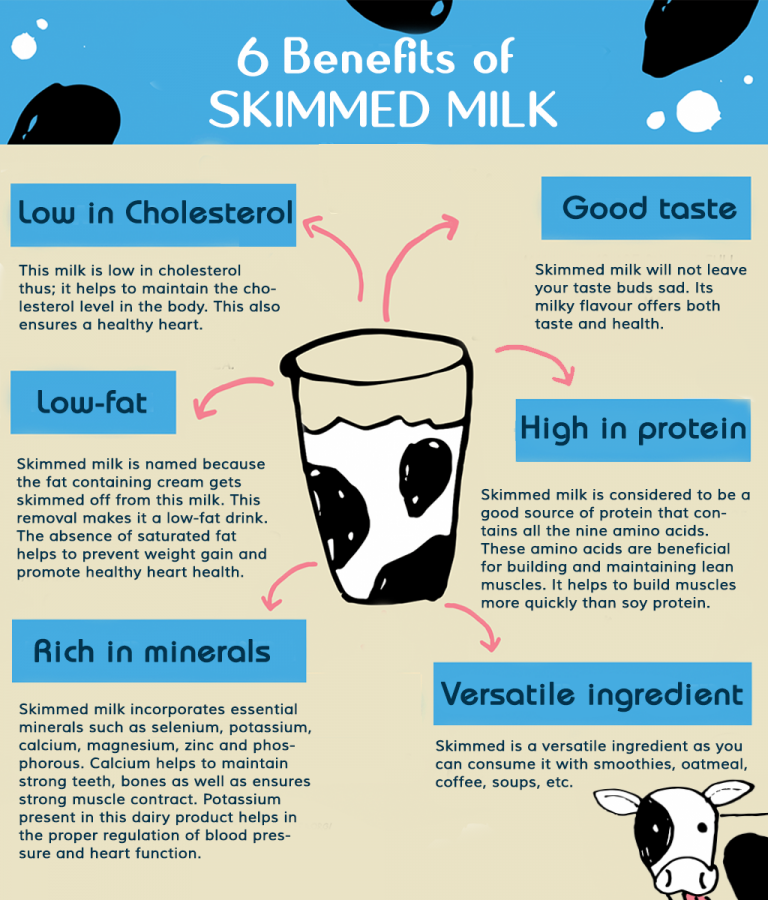
The myriad nutritional benefits of milk and its products are no more under the veil. Let’s highlight its advantages and visit an online store that offers Amul skimmed milk at the best price.

This dairy product is gaining immense popularity among health-conscious people. Skimmed milk, with its nutritional content, gives a healthy start to a day. It is a good source of essential vitamins and minerals to the body with minimum calories and saturated fat.

Why is skimmed milk bad for you?

Well, this is a misconception. Skimmed milk is not at all bad for your health. I fact, it offers some amazing benefits. Let us highlight its five significant benefits below:


Following are the five significant benefits of skimmed milk


1. It incorporates lesser calories and fat content:

Amul skimmed drink is a type from which the fat-containing cream is skimmed off, which is the ultimate source of all the fat. This product contains 95% less amount of fat by offering the same amount of goodness of health. This beverage is the perfect dairy item to maintain weight and cholesterol levels in the body. You can also swap the whole fat with the low-fat milk in your day to day dishes.


2. High protein content:

This dairy product reinstates all the vital vitamins and minerals back to the milk after the skimming of the cream. The removal process carefully takes the fat out without changing its effectiveness. Amul skimmed milk is power-packed with protein and incorporates nine crucial amino acids. These acids play an essential role in building lean muscles and further helps in maintaining it.


3. Power food item:

A glass of this skimmed beverage is power-packed with all the essential minerals required to live a healthy life. It incorporates prominent minerals such as calcium, as well as potassium. Calcium is the primary source of promoting and maintaining healthy and sharp teeth and bones. On the other hand, potassium is essential to ensure the proper functioning of the heart and blood pressure regulation.


4. No added preservatives:

Regarding Amul skimmed milk, you should not worry about the harmful effects of any chemicals. It is a pure unadulterated product that is safe to consume. This is also one of the prominent reasons behind its popularity.

5. Keeps the muscles strong:

We have always been told this drink is good for the overall growth and development of the body as it promotes strong and healthy tissues. Due to the fat content in the whole milk people used to avoid it, but since the production of skimmed milk, health-conscious people can safely consume it. Along with providing essential nutrients, it also helps in muscle growth. You can savor it with your protein shakes and add it in your morning bowl of oats.

The points mentioned above are the most appropriate answer to the commonly asked question- What are the benefits of drinking skim milk?

People are often seen wondering about- Is skim milk bad for cholesterol?

Skim milk is a fat-free dairy product which is not bad for cholesterol. 

Is skim milk powder healthy?

Skim milk powder is as healthy as the liquid. 

The above mentioned are a few of the significant benefits of skim milk that this product provides to our body. Dairy items boost up the metabolism in the body, which helps in active growth and development of the body. The low-fat milk is much lighter and thinner in form and is mild to the tummy. If we compare, a glass of whole milk contains 10 grams of fat and nearly 176 Kilo-calories, whereas a glass of skimmed milk has 2-0 grams of fat and around 89-118 Kilo-calories. This low-fat beverage incorporates more protein and calcium than the other types.

Buy the best products at the best price at Awesome Dairy!

Awesome Dairy is the country’s first online dairy store that incorporates a wide array of top-notch quality and best products of top brands. The main aim of this store is that digital brings healthy products easily accessible to consumers. Due to various reasons, people usually cannot have easy access to products. Awesome Dairy through its online aisle allows customers to stroll through the different ranges of top brand dairy products such as Ghee, Paneer, Butter, Lactose-free milk, Ice cream, Flavoured milk, Cheese, Buttermilk, Soya Paneer and more. Through a secure online buying procedure, you can quickly get the dose of health and taste delivered at your doorstep that comes in highly-skilled packaging. The best part about Awesome Dairy is that it offers the best product at an amazingly discounted price. The online shopping store also provides massive discounts on bulk orders. It gives multiple ranges of products to make sure that there is something for everyone. Visit now to shop for the best products at the best price.

Some less known facts about Butter that makes it a safe dairy product!

A lack of proper knowledge about butter made us believe in misleading facts about it, which is why we chuck it off from our daily diet. But in reality, butter is a very beneficial dairy product for our health that regulates hormones, improves our immune system, protect our vision, boost metabolism, increase brain function, and more. Dive in to learn about it in detail! Let’s also discover the best online dairy store that offers the best discount on Amul butter school pack.

What is butter and what is its nutritional value?

If the above question fetched you here, then read more to understand.

Butter is nothing but a dairy product that is made by churning milk or cream, either from a fermented or a fresh source. This product is packed with an impressive amount of vital vitamins and minerals. According to the USDA National Nutrient Database, butter incorporates vitamin A, D, E, and K. Along with this it has important minerals such as manganese, chromium, iodine, zinc, copper, and selenium.

There is no doubt in the fact that butter is made of fat, but all of that fat is not bad or harmful to human health. Some of them are beneficial!

Let’s ponder upon the health benefits of butter below:

  • Anti-cancer properties:

The vitamin A presents in butter along with with beta-carotene shares a positive nutrient connection that lowers the chances of colorectal and prostate cancer.

  • Reduced intestinal conditions:

Together with different elements, butter conjointly incorporates glycosphingolipids that could be a special sort of fatty acids that shield your body against dozens of canal problems and things. this can be as a result of it contributes to the mucous secretion layers on the opposite membrane that makes it harder for the microorganism infections to bind to functioning receptors.

  • Improved cardiovascular health:

Butter incorporates HDL cholesterol which is also considered as good cholesterol as it has omega-3 fatty acid that reduces the presence of omega-6 fatty acid (the bad cholesterol) which can clog up arteries that further leads to atherosclerosis, heart attack, and stroke.

  • Eye care:

Butter incorporates a high level of beta-carotene that has long been known as a booster for good eye health. It protects the eyes as well as it helps in stimulating additional cellular growth, reduces the chance of macular degeneration and retards the onset of cataracts.

  • Improved bone health:

Butter is also rich in various vital minerals such as manganese, zinc, copper, and selenium.

These are long proven essential elements in maintaining bone health and stimulating bone repair and re-growth. The above mentioned are some of the less known facts about butter. If you are wondering about an online dairy store that offers the best brand dairy products at the best price, then Awesome Dairy is for you!

Awesome Dairy is “aapki apni dairy” that incorporates a vast variety of milk and milk items such as cottage cheese, processed cheese, Amul Buttermilk, Gowardhan ghee, and more.

We solely believe in delivering the best product at your doorstep, and hence we incorporate the products of top dairy brands such as Amul, Mahanand, Mother Dairy, and more.

We also offer huge discounts on bulk orders as well. Visit our website now to grab the best discount on Amul butter 500 gm price and for more such exciting offers.

Health facts about Mozzarella Cheese that you should know!

When it comes to mozzarella cheese, people are often confused about whether it’s beneficial for health or not. Well, the truth is you can call any cheese a whole food and mozzarella is no different. Read on to know how it benefits your health.

What is mozzarella cheese?

Recognized as the white gold of Italy, mozzarella incorporates its supple flavour from either cow or buffalo’s milk. This particular cheese has a springy and dense texture, accompanied by a light aroma of very rich cream. This cheese is generally moist and velvety when it is fresh, and further, the consistency becomes stringy and gets molten with a taste that slowly softens as it melts. Mozzarella is a great dairy item to pair with tomatoes, olive oil, basil, as well as red wine.

What is the nutritional value of mozzarella cheese and how it benefits our health?

If the above question fetched you here, then read more to know…
Following is the nutritional value of 1 ounce of this particular cheese:
• 85 calories
• 1g carb
• 6g fat
• 6g protein
• 143mg calcium
• 138mg sodium

Since this cheese is made from milk, it’s a good source of calcium along with various other essential vitamins and minerals. This cheese variant benefits our health in the following ways:

  • Source of Biotin:

This particular kind of cheese is an excellent source of Biotin which is also called Vitamin B7. Pregnant women can opt for this cheese to cope with possible biotin deficiency in their body. Vitamin B7 also prevents the nails from turning brittle.

  • Source of Riboflavin:

It is an excellent decision to add mozzarella cheese into your diet as it is rich in Vitamin B2 or also known as riboflavin. This is a part of the vitamin B complex family that enables the body to fight various ailments such as anemia and migraine attacks.

  • Source of Niacin:

This dairy item also incorporates vitamin B3 or also known as Niacin, which plays a prominent role in turning the fat in the human body into suitable energy. Furthermore, Niacin is also well-known for controlling cholesterol and prevents the onset of ailments like diabetes and arthritis.

  • Replete with fat-soluble vitamins:

This cheese incorporates prominent fat-soluble vitamins such as D, E, and E which are required for better calcium absorption, cell membrane protection, and bone health.

  • Good source of Zinc:

Mozzarella cheese has the right amount of essential mineral in it like zinc. This mineral helps to battle skin problems, as well as increases white blood cell count in the body.

Does the health benefits mentioned above make you want to buy mozzarella cheese?

If yes, then save yourself the burden of visiting your local store, as Awesome Dairy, the best online dairy store, is there on your service.

Why should you choose Awesome Dairy?

Well, Awesome Dairy is India’s first online “only dairy“ store that incorporates the best dairy products of the top-notch dairy brands. Its digital aisle offers a vast variety of milk and milk products such as Ghee, Butter, Processed Cheese, Buttermilk, Mozzarella Cheese, Cottage Cheese, Yogurt, and more. It also offers the best discount on Amul mozzarella cheese 1 kg price and more. Visit the online store, make an order of your favourite dairy product and get it delivered at your doorstep within Mumbai in no time. Visit now!

10 Healthy reasons to enjoy Amul Butter!

Some of the prominent researchers have pointed out that 20 percent of the fat found in butter incorporates short and medium-length fatty acids. Such acids are directly used as energy and do not linger around enough to affect the blood fat levels too much. Let’s ponder upon some of the prominent health benefits of Amul butter easily available online and also learn about an online store that offers this product at the best-discounted price.

Since during the early 1920s butter has been pushed aside in favour of margarine along with other fad fats and vilified a deadly saturated fat causing substance that further causes heart disease. But thousands of years before that this dairy product was a dietary staple of many prominent cultures with no such evidence of adverse effects on health.

Let’s unveil the truth and shed some light upon the top ten prominent health benefits of butter below:

1. This dairy product is the most easily absorbable source of vitamin A which helps to support the thyroid as well as the adrenal glands and the cardiovascular system.
2. There is no evident prove that butter leads to excess body fat. However, in reality, its short and medium chain fatty acids are burned for quick and instant energy and not stored which also gives a feeling of satiety that decreases cravings and over-eating.
3. It is highly rich in anti-oxidants incorporating vitamins A and E, as well as selenium protecting against heart diseases as well as cancer.
4. This dairy food item is a good source of dietary cholesterol that acts as an anti-oxidant, repairing damage from free radicals caused by unhealthy fats, vegetable oils, and trans fat.
5. The saturated fat found in Amul garlic butter consists of short and medium chain fatty acids that hold an anti-tumor property and also strengthen the immune system.
6. The conjugated linolenic acid found in this dairy food item proves to be cancer-protective.
7. The anti-stiffness property of butter protects against arthritis, cataracts, and hardening of the arteries.
8. Butter is an excellent source of iodine present in a highly absorbable form and necessary for proper thyroid function.
9. This dairy food item also promotes gastrointestinal health and decreases rates of diarrhea in children.
10. It is also a good source of vitamin K2 that prevents tooth decay and builds strong bones as well as teeth.

The points mentioned above highlight some of the amazing health benefits of plain as well as garlic butter by Amul.
Want to know about the best online dairy store?

If yes, then Awesome Dairy is the right destination for top quality dairy products of top-notch brands. Our digital racks incorporate a vast range of dairy products such as ghee, butter, cheese, buttermilk, and more at the best-discounted price. All you have to do is select your favourite product and get it delivered at your doorstep in no time within Mumbai. We also offer the best discount on Amul 100gm butter price in India. Feel free to visit our website now to have a look at our offered products!

5 Prominent Health Benefits of Drinking Amul Milk

Milk is one of the essential dairy products that have been enjoyed throughout the world for thousands of years. Let’s ponder upon its main five benefits that help to maintain our health effectively. Also, let’s discover an online shop that allows you to buy Amul products online at a fantastic price.

Milk by it’s over the years of definition is a nutrient-rich fluid that the female mammals produce to feed their young ones. The most commonly consumed types come from goats, cows, as well as sheep. Today, not only the western countries but the whole world drinks cow’s milk most frequently. This dairy product is either consumed directly or can be incorporated in various dishes and food items. A lot of desserts are incomplete without milk.

Consumption of milk is a hotly debated topic in the nutrition world which often leaves you wondering whether it’s healthy or harmful. Below are five science-backed health benefits of this dairy product so that you can decide if it is the right choice for you.

1. Milk is packed with nutrients:

The nutritional value of milk is quite impressive after all it is designed to nourish the newborn.
One cup of milk incorporates the following amount of nutrients:
Calories: 146
Protein: 8 grams
Fat: 8 grams
Calcium: 28% of the RDA
Vitamin D: 24% of the RDA
Riboflavin (B2): 26% of the RDA
Vitamin B12: 18% of the RDA
Potassium: 10% of the RDA
Phosphorus: 22% of the RDA
Selenium: 13% of the RDA

2. It is an excellent source of quality protein:

Amul milk online availability has made things easier. Amul is one of the prominent brands in terms of dairy products. Such fluid is a rich source of protein. The quality protein is essential for many vital functions in your body, including development and overall growth, cellular repair and immune system regulation. This is the reason that milk is called a “complete protein” that contains all the essential nine amino acids necessary for your body to function effectively.

3. Milk benefits bone health:

Consuming milk has been associated with healthy bones. The reason behind it is the powerful combination of nutrients including calcium, potassium, phosphorous, protein and vitamin K2. All of these nutrients are proven necessities for maintaining strong and healthy bones.

4. Helps prevent weight gain:

This is a misconception that milk promotes weight gain. The studies have shown that milk intake is linked to a lower risk of obesity. The conjugated linoleic acid present in the liquid can boost weight loss by preventing fat breakdown and inhibiting fat production.

5. Milk is a versatile ingredient:

Milk is a nutritious fluid that offers a vast number of health benefits. Apart from drinking it, milk can also be included in the following food items:

Smoothies:

Milk makes an excellent, high in protein smoothies. You can also combine it with greens and a small amount of fruit for a nutritious snack.

Oatmeal:

Milk offers a delicious, more nutritious alternative to water when making your morning oatmeal or hot cereal.
Coffee: Adding Amul milk, which you can order online, to your morning tea or coffee, will give your drink a boost of beneficial nutrients.

Soups:

Adding this dairy product to your favourite soup adds extra flavour and nutrition.

The above-mentioned points makes it quite clear that milk is a dose of great health.
Visit Awesome Dairy to buy Amul dairy products online at the best-discounted price. Our digital aisle incorporates the best dairy products of top dairy brands under the one digital roof. To get your preferred dairy product delivered at your doorstep in no time, visit our online store now.

10 different ways to incorporate yogurt apart from directly consuming it for your breakfast!

Yogurt is a dairy product that benefits health and offers taste. Let’s know about its magical uses and unveil an online dairy shopping destination that offers the best yogurt in India.

The term “Yogurt” hails from Turkey that refers to a tart or thick milk. However, the origin of yogurt is not singular because it can be nearly found in every culture that used to keep animals for milk. The process of making this dairy product incorporates the combination of milk with friendly bacteria and letting it culture.

Yogurt offers many health benefits and this is the most common breakfast buddy. Let us shed a light upon its 10 other beneficial and interesting uses below:

1. Fluff up Waffles:

Yogurt is the secret ingredient behind the extraordinary fluffy chocolate waffles. A lot of experienced chefs incorporate this product to create mouth-watering desserts.

2. Smear it on fish:

Salmon is a widely loved fish which everyone loves to savour with their loved ones. Salmon with a smooth coating of yogurt mixed with herbs gives it a tasty, crispy crust.

3. Make a creamy marinara sauce:

Yogurt helps to boost the protein content of a basic tomato sauce and gives it a creamier texture. Apart from enhancing taste, this is a helpful trick to sneak nutrients into a picky kid’s diet.

4. Make a creamy filling for stuffed vegetables:

Fillings work great for many dishes. Many veggies such as tomatoes, potatoes as well as pumpkins taste amazing when cooked with mouth-watering fillings. The moisture offered by yogurt makes the filling taste like a deliciously smooth risotto.

5. Cool down with chilled soup:

The chilled soup is the best companion to chill during the weekend. The recipe is very simple, thin the yogurt with a bit of milk, add fresh cilantro, diced cucumbers and fresh ground black pepper. Drizzle it with extra-virgin olive oil on top before serving it.

6. Make roasted vegetable spread:

For a quick snack whip up a mixture of free-roasted eggplant with red pepper, onion, yogurt, herbs and olive oil. Serve the mixture on a flatbread. The healthy appetizer is ready.

7. Blend creamy, low-fat salad dressing:

Mix the yogurt with grated garlic cloves. Whisk in the extra-virgin olive oil, lime juice, and fresh dill. Toss the mixture with salad ingredients.

8. Whip up an avocado smoothie:

Yogurt adds a health property to the avocado smoothie. Combine 1 cup plain yogurt with ½ cup avocado, ½ cup strawberries, ½ cup blueberries, ½ low-fat milk, 2 teaspoons honey and 2 ice cubes. Blend in until a smooth creamy smoothie.

9. Prep overnight muesli:

To make tasty and immensely healthy muesli, mix a cup of yogurt with a cup of muesli and refrigerate overnight in a jar. Serve the mixture with honey, nut butter and fresh fruit.

10. Bake perfect banana bread:

To make perfect moist banana bread, add a spoonful of yogurt in the ingredient.
Yogurt is a secret ingredient that magically enhances the taste of any dish. This dairy product offers both health and taste without any side effects.

This product is available in the markets, but to easily avail it from your comfort, then visit Awesome Dairy now. It is an online dairy store that offers a wide range of milk and milk products of top-notch brands. This approach promotes digitalization and encourages people to become digitally smart thus making their life easier and smarter. The online aisle incorporates products such as Amul Ghee, Mahanand Lassi, Epigamia Greek Yogurt, etc, online at an awesome price. Visit now to know more about the branded dairy products and the upcoming offers. Now easily bring the best of health home.

13 Amazing Gir Cow Ghee Benefits

Gir cow ghee which is also known as desi cow ghee has many magical health benefits to offer. Dive in to know about it in details!

We are often surrounded by facts such as dairy products like butter; cheese and ghee add fats to our body. This is however partly correct. Not all fats are bad or harmful to our body. In the case of ghee, the one which we obtain from crossbreed cows are different from the ones that we obtain from desi cows. Desi cow ghee is beneficial for our health in numerous ways. Such ghee is obtained from special species of cow known as “Gir Cows”. These cows are especially found in forest regions such as in several districts of the state of Gujarat. In comparison to other breeds of cows, Gir cows produce more milk.

This milk cattle breed hails from India. More precisely, the native tract of this breed is Gir Hills and forests of Kathiawar including Junagadh, Bhavnagar, Rajkot and Amreli districts of Gujarat. These cattle are famous for their tolerance to stressful conditions and resistance to various tropical diseases.

Let’s highlight its 13 amazing health benefits below:

1. This type of ghee helps at slowing down the aging process and thus makes your voice soft and clear.

2. This ghee incorporates vitamin A2, E and D with Omega3 properties which are highly important and beneficial for a healthy lifestyle.

3. The presence of A2 vitamin in Gir cow ghee helps in treating broken bones.

4. This ghee is beneficial in treating insomnia. It is also the best product for joint massage and most importantly it is beneficial for those who are prone to obesity.

5. Gir cow ghee is helpful in decreasing bad cholesterol in the body and facilitates excellent circulation.

6. This ghee incorporates healthy fat-soluble vitamins that facilitate the absorption of nutrients in food that are most vital for health.

7. Gir cow ghee is also included in medical practice to help with ulcers, constipation and promotes healthy eyes and happy skin. It is used to treat and cure burns and blisters. It proves to increase memory and balances the mind and enhances brain function.

8. It contains conjugated linolenic acid (CLA) which proves to be helpful for weight loss, especially belly fat. Gir cow ghee is also beneficial for slowing down the progress of cancer in the body and prevents heart diseases.

9. This ghee melts at 37 degree Celsius, whereas our body temperature is 37.2 degree Celsius. This means that this ghee gets easily absorbed in the body while the commercial ghee melts at approx. 39 degree Celsius or above which further increases the blood pressure, diabetes, cholesterol and other diseases in the body.

10. Gir cow ghee has been given a title of “Rasayana” in Ayurveda preeminent herbs and food that works wonder for the overall health and promotes longevity and well-being.

11. This ghee is highly beneficial and recommended for people having problems such as piles, fisher and fistula.

12. This ghee enhances our immunity.

13. It is also beneficial for healthy growth in children.

Buy a2 Gir cow ghee online at Awesome Dairy!

This online dairy store offers desi ghee at an amazingly discounted price. Their range of products includes branded dairy products such as ghee, paneer, cream, butter, cheese, etc. Visit now to know more about the Awesome products at an Awesome price.

Which Milk Is Healthier: Toned Milk Or Full-Cream Milk?

Milk is a dairy product which offers various health benefits. Scroll in to know which milk is the best for our health. Also, find out an online website that offers Amul tetra pack milk 200 ml online at the best price.

Only a few people manage to get through lactose intolerance. These people are busy deciding which milk is healthier to consume. More specifically, which variety of milk is beneficial for weight loss as well as supply you with an adequate amount of nutrition. The health quotient of toned and full-cream milk is always debatable. Some people say that toned milk is more beneficial than other varieties. Let us understand this more precisely and then you can decide it for yourself.

What is toned milk?

The procedure for preparing toned milk incorporates adding skimmed milk powder and water to the whole milk. This method cuts down the excess fat content of the milk as well as increases its quantity. Technically, it is quite similar to skimmed milk.

Pros of toned milk:

Toned milk incorporates less fat as compared to full-cream milk but it continues to maintain the nutritional content. Considering the fact, one glass of toned milk contains 80 calories, which is directly half the calorie content of full-cream milk. It provides a good amount of calcium which is beneficial for bones and teeth.

Cons of toned milk:

This variety of milk fails to retain the fat-soluble vitamins of full-cream milk. On the basis of taste, full-cream milk tastes better than toned milk. This type of milk is also not suitable for baking or cooking.

What is full-cream milk?

Full-cream milk is the raw milk which is high in terms of fat, calcium and beneficial nutrients in milk. This milk is safe to consume and does not have any changes.

Pros of full-cream milk:

The untouched and undisturbed variety of milk retains all the nutrients. It is the best product for malnourished kids and pregnant women. It is a great source of beneficial vitamins and minerals.

Cons of full-cream milk:

This variety is high in terms of fat. A person who is trying to lose weight should avoid it. It has a higher amount of fat as compared to toned milk. It incorporates saturated fat which is known to raise cholesterol levels.
The above-mentioned discussion proves that both the varieties of milk have their own specific pros and cons. Based on your circumstance and requirements you can opt the kind of milk for yourself.

Buy the best quality dairy products online at Awesome Dairy!

Awesome Dairy is India’s first online dairy store that offers top brands and high-quality dairy products available online to buy. You can select from various options such as butter, cheese, ghee, etc. Buy Amul taaza toned milk and full-cream milk at best price with simple purchasing procedure. Visit now to know more about Awesome Dairy and its upcoming offers and get the daily dose of health delivered at your doorstep.

Skimmed Milk: Nutrition Facts and Health Benefits

Skimmed milk is one of the healthiest dairy products. A lot of myths and facts of skimmed milk is still pertaining in the minds of the people. Dive in to get a clear picture of this dairy product.

What is skimmed milk?

It is nothing but milk that has had the butterfat removed. The fat content of this milk is 0.1%.
Depending on your geographical existence, the name of this dairy product differs. Skim milk is pronounced in American English and Skimmed milk goes for British English. It is also common to hear people call it fat-free milk or low-fat milk.

How is this milk made?

The producers of this milk use a centrifugal separator, which is a machine that removes the fat globules from the milk. This process operates by spinning the milk with an extremely high force. As a result, the milk and the fat separate and run off into two different spouts which lead to containers within the centrifuge and ready for collection.

Nutrition facts:

This milk has almost similar nutritional profile than that of the whole milk beside lower fat and calorie content.
Following are the nutritional value of skimmed milk per 100g:
• Calories: 24 kcal
• Carbohydrate: 5.1 g
• Fat: 0.1 g
• Protein: 3.4 g

Skimmed milk is a good source of the following vitamins:

Vitamin Amount (% RDA)
Vitamin B2 11%
Vitamin D 10%
Vitamin B12 9%
Vitamin A 4%
Vitamin B5 4%
Vitamin B1 3%
Vitamin B6 2%
Folate 1%

It incorporates the following amount of beneficial minerals:

Mineral Amount (% RDA)
Calcium 12%
Phosphorus 10%
Potassium 4%
Selenium 4%
Magnesium 3%
Zinc 3%
Sodium 2%
Copper 1%

Health Benefits of Skimmed Milk:

There are two most important benefits of skimmed milk; protein and calcium content.
Protein density: The fact that this milk has a lower number of calories, it also has much higher protein density. 100 grams of skimmed milk contains 34 calories and 3.4 grams of protein. One gram of protein is estimated to be equal to 4 calories. This means that there is a total of 13.6 calories from protein per 100 grams. Further, these ratios give a protein density of 40%.

Calcium content: Just like other dairy products, skimmed milk contains a high amount of calcium. This mineral helps with the formation, growth, and repair of bone. It is particularly important to prevent osteoporosis. Higher calcium intake decreases the risk of colon cancer.

Skimmed milk is the best dairy product for health conscious people. Amul is the leading brand that provides the best dairy products all over India. Their products include Paneer, Ghee, Dahi, Butter, Cheese, etc.

Skimmed-Milk-Nutrition-Facts-and-Health-Benefits


Do you want to buy dairy products online?

Visit Awesome Dairy now. It is India’s first online dairy store that offers a variety of products of all well-known brands. They offer amazing discounts on almost every dairy product. Grab the pack of Amul Skimmed Milk from Awesome Dairy online and get it delivered at your doorstep. Hop in to know about the upcoming offers and events.If you want to know what is skim milk price ,Click Here

Continue Reading

5 Reasons to Switch to Skimmed milk

What Is Slim Milk & Benefits For Weight Loss

10 Different Ways to Utilize Ghee for Hair & Skin

Ghee nutrition facts make it not only tasty but equally healthy. Let’s understand different uses of ghee along with its benefits for hair and skin and unveil a place where you can buy dairy products online.

Ghee is the most desired and acceptable dairy item that our grandmothers and mothers use it not only for cooking but for various other factors. We have grown up consuming ghee in various forms and even used it for our skin, hair, and health.

Let’s go through 7 incredible ghee benefits for skin:

1. Moisturizes your face:

Beautify the delicate skin of your face with ghee. To pamper your skin, make a solution of equal parts of ghee and water, mix it and apply it on your face. Now wait for 15 minutes and wash off with cold water. Your skin will start turning smooth and soft.

2. Hydrates dry skin:

The fatty acids in ghee help to hydrate the skin and make it instantly soft and supple. All you have to do is warm a half bowl of ghee and massage your entire body for 3-5 minutes before taking a bath. It is a perfect antidote for dry winter skin.

3. Brightens skin:

Consuming ghee is a perfect natural ingredient to brighten your skin. Make a mask by mixing raw milk, gram flour and an equal amount of ghee. Apply it on your skin and wash off after 15-20 minutes. You will see an instant difference.

4. Slows down skin aging:

Regular use of ghee has the ability to defy time. Massage your skin with ghee and see it turning all happy and young.

5. Cures chapped lips:

Rubbing chapped lips with ghee can instantly moisturize it. Apply ghee on your lips and massage it. Leave it overnight and you will wake up to soft lips.

6. Lightens dark lips:

Ghee incorporates properties that have the capability of curing pigmentation. Apply it as a moisturizer for few weeks on dark lips and see the difference.

7. Brightens up eyes:

Ghee is a natural and safe ingredient to cure dark circles. Apply it under your eyes regularly and get fresh, bright and relaxed eyes within a few days.

10-Different-Ways-to-Utilize-Ghee-for-Hair-And-Skin


Let’s ponder over 3 best benefits of ghee for hair health below:

1. Fights split ends:

Massage dry hair with ghee to take care of split ends. Apply warm ghee to the ends of your locks and wash off with a mild shampoo after an hour.

2. Deeply conditions hair:

Ghee is capable of turning dry and frizzy hair into soft and shiny tresses. All you have to do is mix equal parts of ghee and olive oil and massage your hair for 15-20 minutes. Rinse it off with a mild and good shampoo.

3. Stimulates hair growth:

Ghee is considered to be an age-long remedy for hair growth. Massage your scalp with warm ghee mixed with an equal amount of coconut oil. This mixture is a perfect remedy to encourage hair growth.

Ghee benefits our body in numerous ways both internally and externally. To buy the best quality ghee online, hop into Awesome Dairy. It is India’s first online dairy store which offers various ranges of dairy products at an amazing price.

Dairy Products: A Storehouse Of All The Essential Vitamins And Minerals.

Children, adolescents, and almost every individual should be encouraged to build a habit of consuming milk or dairy products in order to live a healthy lifestyle. Amul dairy products such as Amul lactose-free milk is one of the best dairy products with no harmful effects. Let us understand dairy products and some of its impressive benefits in details. Let’s also highlight some misconception too.

What are dairy products?

Dairy products are defined as the products made up of milk. The production plants that process the dairy products are known as dairy factory. Fresh milk taken from the cows is taken to the production plants for further processing of the products. Usually cow’s milk is used whereas occasionally milk from different mammals such as goats, sheep or water buffaloes is also used. The various important nutrients make dairy products a rich source of energy.

Types of dairy products:

Amul is one of the leading names in providing the best quality dairy products all over the nation. There are different types of dairy products being produced such as Amul fresh Paneer, cow milk, lactose-free milk, cream, yogurt, etc. All of these milk products are a rich source calcium and protein.

Nutritional Value of dairy:

Products made up of milk are nutritious foods and provides some of the amazing benefits when consumed with the following food items:

-Whole wheat bread

-Cereals

-Fresh vegetables

-Fresh fruits

Most of the people choose cow’s milk over any other because it provides 67 kilocalories with a protein content of 3.2gm per 100 ml. Milk proteins usually incorporate casein (about 80%) and whey (about 20%) out of which whey has a higher nutritional value.

After the removal of the fat and casein from the milk, it consists mainly of whey. The whey further consists of specialized proteins such as beta-lactoglobulin (50% of whey) and lactoglobulin.

As compared to the egg proteins, milk proteins have high biological value. The proteins in cow’s milk lack sulfur-containing amino acids and instead incorporate balanced amino acid profiles that further provides good digestibility. It is a good choice for the family to include it in their daily diet. Casein in cow’s milk when combines with calcium, it forms caseinogens which become more difficult to digest. This is the reason that some people cannot consume fresh milk because they are lactose intolerant. They can instead drink Amul lactose-free milk available online in India.

The important nutrient content of milk makes it an absolutely necessary product to add it to your daily diet for a good and healthy life.

Apart from protein, milk contains the following major nutrients such as:

  • Fat:

Milk and milk products contain fats in the form of glycerides. Different milk has different fat content such as:

-Whole milk contains 3.9gm fat per 100ml.

-Semi-skimmed milk incorporates 1.7gm fat per 100 ml.

-Skim milk has 0.2gm fat per 100ml.

  • Carbohydrates:

Disaccharide called lactose is the main carbohydrate found in milk. It is usually made up of two simple sugars such as glucose and galactose. Lactose helps in the absorption of calcium and phosphorous and stimulates the synthesis of some B complex vitamins in the small intestine. An intestinal enzyme in the human body called lactase helps in digesting lactose. Some human body fails to produce enough lactase that further prevents lactose digestion. The undigested lactose is then broken down by the bacteria in the large intestine which further causes gas, bloating, pain and diarrhea. This condition is called lactose intolerance.

Lactose intolerant people usually find discomfort after consuming the dairy products alone. They can further tolerate milk with cereals, or cooked as custard more than liquid milk. Some dairy products contain less lactose and may be better for people with lactase deficiency in the body. These products include:

-Fermented milk items such as yogurts, cheddar cheese, and Amul butter.

-Evaporated milk after heating breaks down some of the lactose and becomes quite safe to consume.

  • Vitamins and Minerals:

Milk and its products are an excellent source of some of the important vitamins and minerals such as Calcium. Milk incorporates significant amounts of vitamin A and B such as thiamine, riboflavin, and nicotinic acid. It also contains vitamin B12.

The most prominent minerals found in milk are Calcium, Phosphorous, Sodium, and Potassium. Calcium is an important mineral for maintaining healthy bones and teeth, cures blood clotting, the transmission of nerve impulses and also maintains the regulation of the heart’s rhythm.

Benefits of Amul milk and its other products:

Milk and the other dairy products are a rich source of Calcium and Protein in a natural way. One liter of milk provides approx 1200mg of Calcium which is more than enough for the daily requirement of Calcium to the body. An adequate amount of calcium intake is highly necessary for growth in children. It also helps in preventing diseases like osteoporosis in adults. Calcium is also a much-needed mineral that keeps the high blood pressure in check and also helps in preventing hypertension.

Protein content in milk helps in building and repairing body tissues and builds antibodies which fight infection. The riboflavin present in the milk helps in initiating metabolism energy and also helps in tissue formation. Magnesium and phosphorous present helps in maintaining bone and teeth health. Potassium on the other hand aids in the correct functioning of nerves and muscles whereas Vitamin B12 aids in red blood cell formation. The thiamine content of milk helps in releasing energy from carbohydrate and aids normal growth.

Some misconceptions:

Despite the innumerable health benefits of dairy products, some people are skeptical about its consumption because of the fat and cholesterol content with the further risk of atherosclerosis or coronary heart disease. However, there is insufficient scientific evidence that supports this caution.

In the year 2014 at Dairy Australia Seminar Series, Professor Peter C Elwood submitted a review on the epidemiological evidence on milk and cardiovascular diseases showed that the people who consume milk have a reduced risk of cardiovascular diseases compared to those who drink little or no milk, despite the fact that most of the milk consumed was a regular fat milk. The review concluded with the fact that the rate of stroke and heart disease was 15% lower among the people with the highest consumption of milk.

Buy various Amul products online at Awesome Dairy!

Amul milk and its products are the safest and extremely healthy to consume. Each product incorporates all the dairy benefits mentioned above. Awesome Diary is an online destination where you can get all the Amul products such as Amul milk tetra pack, Paneer, cream, etc online and at a reasonable price. Go through the list of various amazing, tasty yet healthy Amul products and buy your desired item.

What Is Slim Milk & Benefits For Weight Loss

What Is Slim Milk ?

Skim milk is a milk from which the cream or milk fat has been removed.  Skim Slim milk is also known as fat-free milk because of its low-fat content. Switching from whole to skim milk is the best way to acquire essential dairy nutrients and cut down on your intake of saturated fat and cholesterol. Low-fat Skim milk has lower than 0.5% milk fat and is generally labeled as “fat-free.” Though the de-fatting process also removes the fat-soluble vitamins from the milk, the loss of nutrients is made up through food fortification.

Therefore skim milk is equivalent to whole milk on every nutritional aspect other than its total calories, fat and cholesterol contents, making it an ideal dietary choice for cardiovascular health and weight management.

Nutritional Content Amul Slim Milk

Nutritional Content of Amul slim milk


Benefits of Skim Milk (FatFree) on Health

Ideal For Weight loss

Skim milk benefits weight loss moreover almond milk when it comes to protein. A 1-cup serving has 9 grams of protein, while almond milk has less than 2 grams of protein per cup. Protein digests slowly, and it takes a lot of energy to break down — a phenomenon called high thermic effect. Because of its higher protein content, your body actually burns more calories digesting milk than almond milk.

There’s also some evidence linking dairy consumption to fat loss. A study published in the British Journal of Nutrition in 2015 looked at the results of several prior studies to determine if there’s any connection between dairy intake and body weight.

After studying the results of 41 studies, the researchers found that, while dieters who consumed three servings a day of dairy didn’t lose weight, they did lose body fat. As of October 2015, no scientific evidence links almond milk to weight loss or fat loss.

Muscle Growth

Skim milk has an equally high amount of proteins as regular milk. An average cup of skim milk contains about 8.7 grams of proteins which is 17% of your recommended daily intake. Higher-end brands of skim milk are fortified with high protein powder, increasing its protein content to as much as 12 grams per serving.

Studies have found that protein-rich foods are more satisfying and can help suppress your appetite. High intakes of protein inhibit your brain’s production of appetite-stimulating hormones. A diet of low fat, high protein foods are proven to lower daily caloric intake and produce desirable weight loss results.

Keeps Heart Healthy

Skim milk is low in fat and cholesterol level as compared to whole milk. Saturated fats have been associated with many heart-related diseases for a long time, and coronary heart disease is the most usual one. The risk associated with milk doesn’t mean one should cut off milk and milk products from the diet, it’s not a wise idea. Skim milk is the most healthy and beneficial replacement for other types milk. As Skim milk is very low in fat and contains almost no saturated fats, adding it to a diet will keep your heart healthy.

Good For Bones

Calcium is very important mineral for bone development and maintenance in the body. Calcium is not present in fat of the milk as it is not a fat soluble. Therefore the amount of calcium in low-fat milk is same as whole milk. Drinking skimmed milk benefits our bones in long run. The calcium content in milk reduces your risk of developing osteoporosis at a young age, helping you feel strong as you age.

Balances Blood Pressure

The potassium content in skim milk is at peak. Potassium content is responsible to control blood pressure by relieving the strains and stress from blood vessels and arteries. Though which in return balances the blood pressure.

Benefits of low fat slim milk

Benefits of fat-free milk are tremendous, adding a glass of fat-free milk in your daily diet is enough to provide many useful minerals and vitamins. Also, low-fat milk like Amul skim milk is easily available in the market. If you are lazy enough to go out, you can also order Amul slim milk online from Awesome Dairy with home delivery in Mumbai.

If you want to know what is skim milk price ,Click Here

Continue Reading

5 Reasons to Switch to Skimmed milk

Skimmed Milk: Nutrition Facts and Health Benefits

Grocery Shopping App to Order Milk Products From Home

Waking up early is bad enough, waking up early to chores is even worse. Life in Mumbai is famous for being super-fast paced. Thus it becomes difficult to take out time for grocery shopping. But wait, now you will not have to wake up early morning to wait for the milkman to bring your milk or take out time for going to shop for milk products.

Awesome Dairy, India’s First Online Dairy is the best solution for online grocery shopping. One can buy any kind of milk products online from this grocery shopping app. First of all, let’s have a look at what are the benefits of online shopping.

Benefits of online shopping –

Time-Saving – As mentioned above, buying things online simply saves your time. It also introduced you to the development of the digital world and how you can become more smarter.

Varieties of choice – Online shopping offers you the facility to select from the numerous varieties. For eg. One can buy Milk of various brands such as Amul, Nutoras, Mahanand, etc ranging from the sizes of 500, 200 or 100 ml.

Free home delivery – It is one of the most important and beneficial services you get when you buy online. Awesome Dairy make sure that your milk products get free home delivered on time at your doorstep.

Proper storage – Compare to normal grocery or dairy store, online dairy shops have a better place for storage of milk products. They also delivered milk product in a temperature container box.

How To Download Awesome Dairy App?

For placing an order, one just has to download Awesome Dairy App available at play store this link. You can visit our website www.awesomedairy.com for more information or call us at 8007 4444 70 (for deliveries within Mumbai). We also have our outlet at Santa Mukta CHS, Peru Baug, Goregaon (E.) For ordering from our Shirdi outlet, you can call us at 7744 0607 00.

We are best at –

At Awesome Dairy, India’s first online dairy, you can buy diverse milk products such as Milk, Cheese, Paneer, yogurt, Curd, Butter, Flavoured Milk, Ice Cream, Ghee, Juices, etc. We have partnered with National and International brands like Amul, Chitale, Epigamia, Govardhan, Mahanand, Nutoras, etc.

Serving best quality and fresh milk products on time has always been their priority and that’s can be observed from the reach over 20,000 families all over Mumbai. So just download the Awesome Dairy App today and take leverage of Awesome offers.

Milk Shopping App – All Set To Enhance Your Grocery Shopping Experience In India

Have you ever imagined how awesome it would be to order milk products from your mobile? Yes. This is possible now. There are many grocery shopping apps available in the online world for buying any kind of products. However, with the invention of Awesome Dairy milk shopping  App, one can buy any milk products from home. It is a one-stop shop dedicated only to all milk products.

You can move to the online supermarket for ordering dairy products you desire to eat in Mumbai. Awesome Dairy, India’s first online dairy is the best solution for all your dairy needs. Awesome Dairy saves your effort and time with fast doorstep grocery delivery in Mumbai.

Awesome Dairy App is available at free of cost in the Google Play store and is an excellent way for consumers to purchase any milk products. With more than 100 downloads already, the Awesome Dairy app has quickly become a go-to shopping app. It has emerged as one of the most preferred online grocery shopping apps in Mumbai.

Online Grocery Shopping app?

There are numerous benefits of downloading Awesome Dairy App. Here are some of those.

Multiple Payment Options

Get various options for payment like Cash On Delivery, Debit card, Credit card, PayTM and much more. We also offer Cash On Delivery option if you are still doubtful about the online payments. What is more, if you`re looking for diverse and safe payment approaches while playing games, paypal online casinos offer different money operations with a variety of bonuses.

Bulk Orders

Get special discounts on bulk orders. The app also gives you an option of customizing your bulk orders. Choose the number of products you want. More the products more are the discount.

Special Delivery Boxes For Home Delivery

Get your products delivered to you in special temperature control boxes, which ensure that fresh products reach your doorstep. Awesome Dairy gives you quality assurances and provides you with 100% adulteration free products.

We are best at –

At Awesome Dairy, you can buy diverse milk products such as Milk, Cheese, Paneer, yogurt, Curd, Butter, Flavoured Milk, Ice Cream, Ghee, Juices etc. They have partnered with National and International brands like Amul, Chitale, Epigamia, Govardhan, Mahanand, Nutoras etc. Serving best quality and fresh milk products on time has always been their priority and that’s can be observed from the reach over 20,000 families all over Mumbai.

For buying milk products, you just have to download  Online grocery Shopping App. Really, Awesome Dairy has made buying milk products online simple. For more details, visit our website www.awesomedairy.com. OR call us on 8007 4444 70 (for deliveries within Mumbai).

So, what are you waiting for? Download the app today and flavour delicious milk products.

Enquiry Form

Contact Us Form

Safe and Secure Payments

Easy returns

100% Original products.

Quote List
Product added to cart successfully. Go to cart.
Home
Account
0
Cart
Search