


Dairy and Health Dairy and Health
Paneer vs Tofu: Protein, Calories, Calcium & Which Is Better?
Paneer vs tofu is one of the most common comparisons for vegetarians trying to add more protein without making every meal complicated. Both are versatile, both work well in Indian cooking, and both can be excellent foods — but nutritionally they are not identical.
Quick answer: paneer is usually higher in protein and calories per 100 g because it contains more milk fat and solids. Tofu is generally lighter, contains no cholesterol, and can be easier to fit into a lower-calorie or vegan diet. Calcium in tofu can vary widely depending on how it is made, especially whether calcium salts are used as coagulants. The better choice depends on your goal, portion size and the actual product label.
Paneer vs Tofu: Nutrition at a Glance
| Factor | Paneer | Tofu |
|---|---|---|
| Primary ingredient | Milk | Soybeans / soy milk |
| Diet type | Vegetarian | Vegan / vegetarian |
| Protein | Usually higher per 100 g | Moderate to high, varies by firmness |
| Calories | Usually higher | Usually lower |
| Fat | Higher, including saturated fat | Generally lower; mostly unsaturated fat |
| Carbohydrate | Low | Low |
| Cholesterol | Present | None |
| Calcium | Good source; varies by milk and process | Can be high if calcium-set; check label |
| Lactose | Contains some lactose | Lactose-free |
| Main allergen | Milk | Soy |
Important: nutrition values vary considerably by brand, moisture, fat level and manufacturing method. Use the nutrition panel on the pack when comparing two specific products.
What Exactly Is Paneer?
Paneer is a fresh, unripened dairy product made by heating milk and coagulating it with a permitted acidulant such as citric acid, lactic acid or vinegar. The curd is separated from whey and pressed into a soft block.
Under the FSSAI standard for chhana and paneer, paneer is a defined milk product with compositional requirements for moisture and milk fat on a dry-matter basis. This matters because a very wet, low-fat paneer and a dense full-fat paneer can have quite different calories and protein per 100 g.
If you want a deeper look at paneer as a protein food, read our guide: Is Paneer a Good Source of Protein?
What Exactly Is Tofu?
Tofu is made by coagulating soy milk and pressing the curds into blocks. Its texture can range from silken to extra-firm. Firmer tofu generally contains less water and therefore more protein and calories per 100 g than silken tofu.
One reason online tofu nutrition numbers often look inconsistent is that processing changes composition. Calcium can also differ sharply depending on the coagulant used. Research has noted that tofu made with calcium salts may contain substantially more calcium than tofu made using other coagulants.
Paneer vs Tofu for Protein: Which Wins?
If your only target is protein density per 100 g, paneer often has the edge over many common tofu varieties. A typical paneer may provide roughly 18–21 g of protein per 100 g, although actual values depend on the milk and moisture level. Tofu often falls in a wider range, roughly 8–17 g per 100 g depending on whether it is silken, regular, firm or extra-firm.
But “more protein per 100 g” is not the only useful metric. A high-fat paneer can also bring substantially more calories. That means the better question is often:
How much protein am I getting for the calories and portion size I actually eat?
For a person trying to increase calories and protein together, paneer can be very efficient. For someone trying to keep calories lower while still adding plant protein, firm tofu can be easier to fit into the day.
Protein Quality: Dairy vs Soy
Both dairy proteins and soy proteins provide all nine essential amino acids. Dairy proteins are generally highly digestible. Soy is also considered a high-quality plant protein, though digestibility and amino-acid scores vary by processing and product type.
A review of soy protein quality reported meaningful variation across soy foods and processing methods. That is another reason not to assume every tofu block has exactly the same nutritional quality. See the review on soy protein quality and processing.
Paneer vs Tofu Calories
This is where the practical difference becomes bigger.
Paneer: Full-fat paneer is energy-dense because milk fat remains concentrated in the curd. Depending on the product, 100 g can easily be in the 250–320 kcal range or even higher.
Tofu: Many tofu products contain much more water and less fat. Depending on firmness and formulation, 100 g may be around 70–145 kcal.
So for fat loss, calorie control or large-volume meals, tofu can offer an advantage. For children, athletes, people struggling to meet calorie needs, or anyone wanting a more energy-dense vegetarian meal, paneer may be more useful.
Which Is Better for Calcium?
There is no universal winner because tofu calcium is process-dependent.
Paneer naturally contains calcium from milk, although part of the mineral content can be lost into the whey during manufacture. Tofu can contain substantial calcium when calcium sulphate or another calcium salt is used as a coagulant. Some tofu products made with different coagulants contain much less.
The practical rule is simple: check the label. Do not assume that all tofu is automatically high in calcium or that every paneer brand contains exactly the same amount.
For food-composition reference data, the USDA FoodData Central database is useful because it shows how nutrient values differ across foods and branded products.
Paneer vs Tofu for Weight Loss
If the goal is weight loss, tofu is often easier to use because it generally provides fewer calories per 100 g. You can build a larger plate with vegetables, tofu and a controlled amount of cooking oil without pushing calories up as quickly.
That does not mean paneer must be avoided. Portion size is the deciding factor. A 75–100 g portion of paneer used in a high-vegetable meal can still fit comfortably into many calorie-controlled diets.
Be careful with the cooking method. A “healthy tofu” dish deep-fried or loaded with sugary sauce can contain more calories than a simply grilled paneer dish. Likewise, paneer makhani with cream and butter is nutritionally very different from grilled paneer with vegetables.
Paneer vs Tofu for Muscle Gain
For muscle gain, both foods can work. Paneer is convenient when you want a compact combination of protein and calories. It also pairs naturally with Indian meals such as roti, rice, dal and vegetables.
Tofu can be especially useful when total calories or saturated fat need tighter control. A larger tofu portion can deliver meaningful protein while keeping the meal lighter.
The more important variables for muscle gain are your total daily protein intake, training quality, total energy intake and consistency — not whether one individual meal contains paneer or tofu.
Paneer vs Tofu for Diabetes
Both plain paneer and plain tofu are relatively low-carbohydrate foods. Either can be incorporated into a balanced meal that also contains vegetables, fibre-rich foods and an appropriate portion of whole grains or pulses.
However, diabetes management is individual. Sauces, marinades, fried coatings and meal portions often have a larger impact than the paneer-tofu choice itself.
What About Saturated Fat and Cholesterol?
Full-fat paneer contains saturated fat and dietary cholesterol because it comes from milk. Tofu contains no cholesterol and its fat is predominantly unsaturated.
People who have been advised to reduce saturated fat may find tofu or lower-fat paneer easier to use more frequently. This is not a reason to label one food “good” and the other “bad”; it is a reason to look at the whole-day diet.
Which Is Easier to Digest?
Digestive tolerance varies.
- Paneer: may not suit people with a milk-protein allergy. People with lactose intolerance often tolerate some paneer better than milk, but tolerance depends on the individual and product.
- Tofu: contains no lactose, but it is made from soy and is unsuitable for people with a soy allergy.
If dairy regularly causes symptoms, do not assume paneer will automatically be comfortable simply because it is solid. Similarly, soy tolerance varies between individuals.
Paneer vs Tofu in Indian Cooking
Both can absorb spices well, but the texture is different. Paneer is milky, rich and slightly chewy. Firm tofu is lighter and can be softer or more porous.
In many recipes you can replace paneer with extra-firm tofu almost one-for-one by weight. Press excess water from tofu first, then marinate it before cooking.
Good swaps include:
- tofu tikka instead of paneer tikka
- tofu bhurji instead of paneer bhurji
- tofu palak instead of palak paneer
- tofu stir-fry instead of chilli paneer
- mixed paneer-tofu bowls when you want both dairy richness and lower calorie density
So, Which Is Better: Paneer or Tofu?
Choose paneer when you want a more calorie-dense dairy protein, enjoy its taste and texture, and tolerate milk well.
Choose tofu when you want a vegan option, a generally lower-calorie protein, no dietary cholesterol, or a lactose-free food.
For many people, the smartest answer is not “paneer or tofu?” but “how can I use both intelligently?” Rotating protein sources makes a vegetarian diet more varied and easier to sustain.
A Simple Decision Guide
| Your goal | Usually the easier choice | Why |
|---|---|---|
| Higher protein + calories | Paneer | Dense in milk solids and fat |
| Lower-calorie meals | Tofu | Typically more water and fewer calories |
| Vegan diet | Tofu | Plant-based |
| Lactose-free diet | Tofu | Contains no lactose |
| Higher-calorie vegetarian meals | Paneer | Energy dense |
| Lower saturated-fat pattern | Tofu | Fat profile is generally more unsaturated |
| Calcium | Check the label | Strongly product- and process-dependent |
Frequently Asked Questions
Is tofu healthier than paneer?
Not automatically. Tofu is usually lower in calories and saturated fat, while paneer is often higher in protein and energy per 100 g. The healthier option depends on your goal, portion and overall diet.
Does paneer have more protein than tofu?
Most full-fat paneer products contain more protein per 100 g than soft tofu. Extra-firm tofu can narrow the gap, so compare nutrition labels when choosing between specific products.
Can tofu replace paneer in Indian recipes?
Yes. Extra-firm tofu works well in tikka, bhurji, palak-style gravies, stir-fries and many paneer-based recipes. Pressing and marinating the tofu improves flavour and texture.
Which is better for weight loss, paneer or tofu?
Tofu is usually easier for calorie control because it tends to contain fewer calories per 100 g. Paneer can still fit a weight-loss diet when the portion and cooking fat are controlled.
Which is better for muscle gain?
Both can contribute. Paneer is useful when you need more calories with your protein; tofu is useful when you want protein with fewer calories. Total daily protein and resistance training matter more than choosing one specific food.
Can I eat paneer and tofu on the same day?
Yes. There is no nutritional reason healthy adults must choose only one. Using both can diversify protein sources and meal options.
Bottom Line
Paneer vs tofu is not a contest with one universal winner. Paneer is a concentrated dairy food that generally delivers more protein and calories per 100 g. Tofu is a flexible soy food that is usually lighter, vegan and lower in saturated fat. Compare the actual pack, match the food to your dietary goal, and pay attention to how it is cooked.
For more dairy comparisons, see Cow Milk vs Buffalo Milk and Curd vs Yogurt.
Nutrition figures in this article are practical ranges, not a substitute for the label on a specific product. Individual dietary or medical needs should be discussed with a qualified healthcare professional.
High Protein Milk: Protein, Calories, How It’s Made & Is It Worth It?
High protein milk has moved from a niche fitness product into mainstream Indian dairy. The basic idea is simple: deliver much more dairy protein than ordinary milk in a ready-to-drink format. But products sold as high-protein milk can differ significantly in protein level, lactose content, calories, ingredients and processing.
This guide explains how high protein milk is made, how it compares with regular milk and whey protein, what to check on the label, and where it can fit in an Indian diet.
What is high protein milk?
Ordinary cow milk generally contains around 3–3.5 g protein per 100 mL, although the exact number varies with milk composition and standardisation. High protein milk is processed or formulated so that the final drink contains substantially more protein than regular milk.
The extra protein may come from concentrating milk itself, adding milk protein ingredients, or combining both approaches. The result is still a dairy-protein beverage, but the protein density can be several times higher than ordinary milk.
For example, Amul’s current High Protein Milk lists 35 g protein in a 250 mL pack, along with 225 kcal, 0.5 g fat and less than 0.1 g lactose per pack. That is far above the roughly 8 g protein you would expect from 250 mL of ordinary milk. Always check the latest pack label because formulations can change.
How is high protein milk made?
There is no single manufacturing route. Dairy processors can increase protein concentration in several ways.
Ultrafiltration
Ultrafiltration, or UF, uses a membrane that retains milk proteins while allowing much of the water, lactose and smaller dissolved components to pass through. The retained stream therefore becomes richer in protein. UF is widely used in the dairy industry to make milk protein concentrates and other high-protein ingredients.
Diafiltration
Diafiltration may be added after ultrafiltration. Water is introduced and filtration continues, helping remove more lactose and soluble minerals while retaining protein. This can further improve the protein-to-carbohydrate ratio.
Adding milk protein ingredients
Some high-protein beverages are formulated using milk solids, milk protein concentrate, skim-milk powder or related dairy ingredients. The ingredient list is therefore important: it tells you whether the product is mainly concentrated milk or a more heavily formulated dairy beverage.
Lactase treatment
Some products are also treated with lactase. This enzyme breaks lactose into glucose and galactose, reducing the lactose content. Amul, for example, lists beta-galactosidase in its High Protein Milk ingredient declaration and reports less than 0.1 g lactose per pack.
High protein milk vs regular milk
| Feature | Regular milk | High protein milk |
|---|---|---|
| Protein | About 3–3.5 g/100 mL | Can be much higher; check the label |
| Lactose | Naturally present | May be reduced or hydrolysed |
| Fat | Depends on full cream, toned or skimmed milk | Often low-fat, but varies |
| Calories | Depends on fat and carbohydrate | Can still be meaningful despite high protein |
| Processing | Standardisation, homogenisation and heat treatment | May include membrane filtration, extra milk proteins or lactase treatment |
| Best use | Everyday nutrition and cooking | Convenient higher-protein intake |
If you want to understand the basic milk categories first, see our guide to full cream vs toned vs double toned vs skimmed milk.
High protein milk vs paneer
They serve different purposes. Paneer is a concentrated solid dairy food, while high protein milk is a ready-to-drink beverage. Paneer provides meaningful protein along with fat and calcium, but its calorie density can be higher depending on the milk used. High protein milk can deliver a large amount of protein in a drinkable format and may be easier to use around workouts or busy schedules.
For a deeper food-based comparison, read our guide on paneer as a protein source.
High protein milk vs whey protein shake
A whey protein shake and high protein milk can sometimes provide a similar amount of protein per serving, but they are not the same product.
High protein milk generally contains a broader milk-protein profile, including both casein and whey unless the manufacturer has specifically fractionated them. It also contains other milk solids and minerals.
Whey protein powder is more concentrated and lets you control the serving size very precisely. It is usually more protein-dense per gram and may contain less carbohydrate and fat, especially in isolate form.
If you want a ready-to-drink option and do not like mixing powders, high protein milk can be convenient. If you want maximum protein with tighter calorie control, whey powder may be more flexible.
Is high protein milk useful for muscle gain?
It can be. Milk proteins are complete proteins containing all essential amino acids, so a high-protein dairy drink can be a practical post-workout or between-meal option.
The bigger picture still matters: total daily protein intake, resistance training, sufficient energy and recovery are more important than any single product.
Can high protein milk fit a weight-loss diet?
Yes, but a product labelled “high protein” is not automatically low calorie. Protein can help make meals more filling, but the entire nutrition panel still matters.
A 250 mL high-protein beverage containing 225 kcal is a meaningful calorie contribution. Compare protein per serving with total calories, sugars and fat rather than looking only at the headline protein claim.
A practical metric is protein per 100 kcal. This helps compare different products on a like-for-like basis.
What should you check on the label?
- Protein per serving: compare actual grams, not just marketing language.
- Serving size: a large protein number can partly reflect a larger pack.
- Calories: important when comparing products.
- Total and added sugars: lactose-free does not automatically mean sugar-free.
- Fat and saturated fat: these can vary considerably.
- Ingredient list: look for milk solids, milk protein concentrate, sweeteners, flavours and stabilisers.
Lactose-free does not mean dairy-free
Lactose-free milk is still a dairy product and still contains milk proteins such as casein and whey. The term only refers to lactose. This distinction is important when choosing between lactose-free products and non-dairy beverages.
If your main question is about milk-protein type rather than lactose, read our article on A2 milk vs regular milk.
Does high protein milk contain both casein and whey?
In most whole-milk concentration processes, yes. Normal bovine milk protein is roughly 80% casein and 20% whey protein. Ultrafiltration of milk typically retains both fractions, so milk protein concentrate keeps a protein profile broadly similar to milk.
Microfiltration can be used when a processor wants to separate casein micelles from native whey proteins. That is a different objective from simply concentrating total milk protein.
Why can high protein milk become thick?
Protein-rich dairy beverages can feel thicker because increasing protein raises total solids and changes the interactions between casein, whey proteins, minerals and water. Chilling can further influence viscosity.
Amul specifically advises that its High Protein Milk may become thicker when refrigerated and that gentle warming can reduce the thickness. It also advises avoiding boiling because the concentrated protein can stick to the base of the vessel.
Who may find it most useful?
High protein milk can be useful for people who find it difficult to reach protein targets through regular meals, people who exercise regularly, busy professionals, older adults with low protein intake, and vegetarians who rely heavily on dairy for complete protein.
It is not essential for everyone. If your diet already provides sufficient protein through milk, curd, paneer, dals, soy, eggs, meat or other foods, regular milk may be adequate.
High protein milk in India: a current example
As of September 2026, Amul’s official product information lists the following per 250 mL pack:
- 35 g protein
- 225 kcal
- 0.5 g total fat
- 20 g carbohydrate
- 20 g total sugars
- 0 g added sugar
- less than 0.1 g lactose
The ingredient list includes water, milk solids, beta-galactosidase and vanilla flavouring substances. This is a useful example of why consumers should read the complete nutrition panel rather than assuming that high protein automatically means low carbohydrate or very low calorie.
Frequently asked questions
How much protein is there in high protein milk?
There is no single number. Products vary widely. Some provide around 15–20 g per serving, while highly concentrated products can provide 30 g or more. Check both serving size and protein per 100 mL.
Is high protein milk lactose-free?
Not always. Some products are lactose-free because they are treated with lactase or processed to reduce lactose; others still contain lactose. Check the label.
Can high protein milk replace whey protein?
It can replace a whey shake in some situations if the protein amount fits your target. Whey powder, however, is usually more concentrated and easier to dose precisely.
Is high protein milk better than regular milk?
It is better only if you specifically need more protein in a convenient format. Regular milk remains a nutrient-dense everyday food and may be more economical for many households.
Can I boil high protein milk?
Follow the pack instructions. Highly concentrated protein beverages may thicken, scorch or stick during aggressive heating. Gentle warming is often preferable when the manufacturer advises it.
Bottom line
High protein milk is best viewed as a convenient dairy-protein tool, not a magic health product. Its biggest advantage is protein density: one serving can provide far more protein than ordinary milk. The trade-offs are usually higher price, more processing and, depending on the formulation, meaningful calories and carbohydrate.
The right question is not simply “Is high protein milk healthy?” but “Does this product improve my overall diet for the calories and price I am paying?” Read the nutrition panel, compare protein per serving and choose based on your actual requirement.
For more milk science, see our guide to cow milk vs buffalo milk.
Sources and further reading
Fake Paneer vs Real Paneer: FSSAI 2026 Rule, Tests & How to Identify
Paneer is one of the most widely used dairy foods in India. Genuine dairy paneer is made from milk or milk solids by heat treatment, coagulation and whey drainage. Some substitute products are designed to imitate paneer using a different combination of ingredients.
Real paneer and substitute products
The safest first check is the label. Read the product name, ingredient list, manufacturer details, batch details and nutrition panel. Do not assume that colour, softness or firmness alone can establish authenticity because these properties also change with milk type, moisture, pressing and storage.
Why ingredient labels matter
Milk proteins and milk fat give dairy paneer its characteristic composition. Substitute products can use other fat or protein sources, so their nutrition can be different even when the product looks similar on the plate.
How Long Does Paneer Last in the Fridge? Storage, Freezing & Spoilage Guide
Paneer is a high-moisture fresh dairy product, so storage temperature and hygiene matter. Homemade or opened paneer is best used within a few days under refrigeration, while unopened commercial paneer should follow the pack use-by date and storage instructions.
Store paneer cold
Keep paneer in a clean airtight container in the refrigerator. Limit time at room temperature and use clean utensils when handling it.
Fresh paneer vs packaged paneer
Homemade paneer, loose fresh paneer and factory-packed paneer can have different keeping quality because their moisture, processing and packaging are different. For an unopened retail pack, follow the manufacturer’s storage instructions and printed date. Once opened, use a clean airtight container and keep it refrigerated.
How to keep paneer from drying out
Paneer loses moisture from its cut surfaces when it is left exposed. Keeping it covered in an airtight container helps preserve a softer texture and also prevents it from absorbing strong refrigerator odours. Cut only the quantity you need and return the remainder to the refrigerator promptly.
Paneer storage for meal prep
If you buy a larger block, divide it into smaller portions before storage. This reduces repeated handling of the whole block and makes it easier to use only what is required for a curry, salad, sandwich or bhurji. Label frozen portions with the date so older packs are used first.
Does storing paneer in water help?
Fresh paneer is sometimes kept in clean chilled water to reduce surface drying and maintain a softer bite. This is mainly a texture-management method, not a substitute for refrigeration. Use a clean container and fresh water rather than leaving the paneer exposed on a plate.
Why frozen paneer can feel different
Paneer contains a network of milk proteins holding water and fat. During freezing, ice crystals form within that structure. After thawing, some water may separate and the paneer can feel slightly firmer, drier or more crumbly. This texture change is usually less noticeable when the paneer is cooked in a gravy.
For more detail on composition, read our paneer protein guide and our comparison of cow milk vs buffalo milk. Milk composition influences the fat, protein and texture of the paneer you eventually store.
Choosing the right portion size
Before refrigerating or freezing a large block, think about how you normally cook. Smaller portions are easier to manage and reduce the need to repeatedly unwrap, cut and return the same block. For family meals, portioning paneer according to one recipe at a time also makes meal planning easier.
Can paneer be frozen?
Yes. Freeze it in meal-size portions in an airtight pack. After thawing in the refrigerator, the texture may be slightly more crumbly or chewy, which is usually fine for curries and bhurji.
How can you tell paneer is spoiled?
Discard paneer if you see visible mould, surface slime, unusual discolouration or a clearly sour or yeasty odour. Do not taste paneer simply to test whether it is safe. When storage history is uncertain, especially after a long break in refrigeration, replacement is the safer choice.
Does Boiling Milk Reduce Protein? What Heat Really Does
Short answer: No. Boiling milk does not meaningfully remove its protein. Heat changes the structure of some milk proteins, especially whey proteins, but it does not make the protein disappear. Casein, which makes up most of milk protein, is comparatively heat-stable.
The practical point is simple: if a glass of milk contains roughly the same volume after heating, its protein content is still broadly similar. Prolonged or repeated heating affects flavour, surface skin formation, some heat-sensitive vitamins and protein chemistry more than it affects the total amount of protein.
Does boiling milk reduce protein? Quick answer
| Question | What happens when milk is boiled? |
|---|---|
| Total protein | Generally remains broadly similar. |
| Whey protein | Partly denatures, meaning its structure unfolds. |
| Casein | Relatively heat-stable under normal household boiling. |
| Calcium | Not destroyed by boiling. |
| Lactose | Boiling does not make milk lactose-free. |
| Heat-sensitive vitamins | Some losses can occur, especially with prolonged or repeated heating. |
What actually happens to milk protein when you heat it?
Milk protein is mainly a combination of casein and whey proteins. A useful rule of thumb is that casein contributes roughly 80% of milk protein and whey about 20%.
Casein is relatively heat-stable
Casein exists in milk as tiny structures called casein micelles. Normal household heating or boiling does not simply destroy them or remove their amino acids.
Whey proteins are more heat-sensitive
Whey proteins start to unfold as temperature rises. This is called denaturation. Denaturation changes a protein’s three-dimensional structure, but it is not the same as eliminating its nutritional protein content.
An egg white also changes dramatically when heated, yet a cooked egg still contains protein. Milk follows the same basic principle: heat can change protein structure without making the protein vanish.
Denatured protein is not destroyed protein
A systematic review of dairy processing found that heating can alter protein structure, digestion kinetics and amino-acid availability depending on the time-temperature treatment. It also found that denaturation itself does not automatically reduce overall digestibility. More severe heating can cause additional reactions such as glycation, which can reduce the availability of some amino acids, including lysine.
So the accurate answer is not that heat has zero effect. It is that normal household boiling does not meaningfully remove milk protein, although excessive heat can change protein quality and digestion characteristics.
What nutrients change when milk is boiled?
| Nutrient | Effect of normal boiling | Practical meaning |
|---|---|---|
| Protein | Structure changes more than quantity | The great majority of protein remains. |
| Calcium and phosphorus | Minerals are not destroyed by household boiling | Total mineral content remains present. |
| Fat | Mostly remains | Removing malai lowers fat and removes a small amount of associated protein. |
| Lactose | Not meaningfully removed | Boiling is not a treatment for lactose intolerance. |
| Vitamin B12, folate and other heat-sensitive vitamins | Some loss is possible | Repeated or prolonged heating is less desirable than brief heating. |
| Water | Evaporates | Milk becomes more concentrated if boiled for long. |
Because water evaporates, nutrients per 100 ml of the remaining milk can sometimes appear slightly higher after prolonged boiling. That does not mean new nutrients were created. The milk simply became more concentrated.
Does repeated boiling reduce milk nutrition?
Repeated heating matters more than one brief boil. Every extra heating cycle adds thermal exposure. Over time that can increase cooked flavour, browning reactions, protein-sugar interactions and losses of heat-sensitive vitamins.
If milk has already been heated, cooled safely and refrigerated, there is usually no nutritional advantage in bringing the entire vessel to a rolling boil again and again. Heat only the quantity you need.
Should pasteurized packaged milk be boiled again?
Pasteurized milk has already received a controlled heat treatment designed to reduce harmful microorganisms. If the pack is sealed, within its use-by period and has been kept under the required refrigeration conditions, boiling it again is generally not needed to repeat the pasteurization step.
You can still warm or boil it for tea, coffee, recipes or personal preference. For more on packaged heat-treated milk, see Is Milk in Tetra Pack Safe for Consumption?
What about raw or loose milk?
Raw milk is a different food-safety situation. It can contain disease-causing microorganisms even when it looks and smells normal. Public-health authorities such as the CDC and FDA recommend pasteurized milk because pasteurization substantially reduces this risk.
Do not use appearance, smell or a home purity test as proof that raw milk is microbiologically safe. If processing status is uncertain, choose properly pasteurized milk from a reliable supply chain.
Does boiling milk destroy calcium?
No. Calcium is a mineral and is not destroyed at normal cooking temperatures. Heating can shift how calcium is distributed between soluble and colloidal phases in milk, but household boiling does not make the calcium disappear.
Does boiling milk reduce lactose?
Not enough to make a meaningful difference for lactose intolerance. Regular milk remains lactose-containing after boiling. If lactose is the issue, lactose-free milk is the relevant product; boiling ordinary milk is not an equivalent solution.
What is the skin or malai that forms on boiled milk?
As heated milk cools, denatured proteins, fat and other milk solids can collect at the surface and form a film. In Indian households this layer is commonly called malai.
If you remove it, you remove some fat and a small amount of associated protein. The majority of the milk’s protein remains in the liquid.
For gym users: does hot milk still count toward your protein target?
Yes. Heating milk for a shake, coffee, oats or bedtime drink does not make its protein vanish. Use the nutrition label for the best estimate.
For example, if your milk label lists 3.2 g protein per 100 ml, then 250 ml supplies about 8 g. Boiling does not turn that into zero. If you want to compare different milk types, read our cow milk vs buffalo milk comparison.
Best way to heat milk at home
- Heat only the amount you need.
- Avoid a prolonged rolling boil when it serves no purpose.
- Stir to reduce scorching and excessive surface skin formation.
- If storing heated milk, cool and refrigerate it promptly in a clean covered container.
- Follow the storage instructions printed on packaged milk.
If you are choosing milk based on fat level, also see our guide to full cream, toned, double toned and skimmed milk.
Frequently asked questions
Does boiling milk reduce protein?
No meaningful amount under normal household boiling. Some whey proteins denature, but the protein itself remains.
Does boiling milk destroy whey protein?
It can denature whey proteins. Denaturation changes structure rather than eliminating the amino acids.
Does boiling milk destroy calcium?
No. Calcium is not destroyed by normal boiling temperatures.
Does boiling milk reduce lactose?
No meaningful amount. Regular boiled milk is still not lactose-free.
Is reheated milk lower in protein?
Not dramatically, but repeated heating adds thermal exposure and can affect flavour, some vitamins and protein chemistry.
Can I drink pasteurized milk without boiling it?
Properly packaged pasteurized milk has already been heat-treated for safety. Follow the pack’s refrigeration, storage and use-by instructions. Reheating can still be done for taste or recipes.
Bottom line
Boiling milk does not meaningfully reduce its protein content. It mainly changes the structure of heat-sensitive whey proteins. Casein remains relatively stable, calcium is not destroyed and lactose does not disappear. The stronger reason to avoid repeated, prolonged boiling is unnecessary heat exposure and potential loss of some heat-sensitive vitamins, not fear that the milk has lost its protein.
Sources and further reading
Ghee vs Butter: Nutrition, Smoke Point, Cooking Uses & Which to Choose
Ghee vs butter is a common kitchen question, especially in India where both are used for everyday cooking, baking, tadka and traditional foods. They start from the same dairy source, but they behave differently because ghee is made by removing almost all of the water and milk solids from butter.
If you are choosing between them, the most useful differences are not marketing claims but fat concentration, heat tolerance, flavour, lactose/milk-protein content and storage. Here is a practical, evidence-based comparison.
Ghee vs butter: the quick answer
Choose ghee when you want a higher-heat cooking fat, a nutty dairy flavour and longer shelf stability. Choose butter when you want a creamy flavour, spreading, baking performance or the specific browning behaviour of milk solids.
Neither is automatically “healthier” in every situation. Both are calorie-dense dairy fats and both contribute saturated fat, so serving size and your overall diet matter more than the label alone.
What is the difference between ghee and butter?
Butter is a water-in-oil dairy emulsion made from milk or cream. Under Indian food standards, table butter contains at least 80% milk fat and can contain up to 16% moisture. Ghee is a milk-fat product made by heating butter, cream or other milk-derived material so that nearly all water and most non-fat milk solids are removed. FSSAI standards specify at least 99.5% milk fat and no more than 0.5% moisture for ghee.
That processing step explains most of the practical differences between the two.
| Factor | Ghee | Butter |
|---|---|---|
| Typical fat concentration | About 99.5%+ milk fat under FSSAI standard | At least 80% milk fat for table butter under FSSAI standard |
| Water content | Very low | Higher; up to about 16% in table butter |
| Milk solids | Mostly removed during clarification | Present |
| Heat tolerance | Generally higher | Lower because milk solids brown and scorch sooner |
| Flavour | Nutty, roasted, rich | Creamy, milky, sweet |
| Best uses | Tadka, sautéing, roasting, higher-heat cooking | Baking, spreading, sauces, low-to-medium heat cooking |
| Storage | More shelf-stable because moisture is very low | Usually needs refrigeration after purchase/opening as directed on pack |
Ghee vs butter nutrition: calories and fat
Ghee is more concentrated because almost all of its water has been removed. In practical terms, a spoon of ghee usually provides a little more fat and energy than the same spoonful of butter.
For reference, USDA FoodData Central lists unsalted butter at roughly 717 kcal and 81 g of fat per 100 g. Ghee is almost entirely milk fat, so its energy density is closer to that of pure fat. Exact nutrition values vary by brand and serving size, so the pack nutrition panel is the best source for a specific product.
The key point is simple: both are concentrated fats. If your goal is calorie control, measure the amount you use rather than assuming one is a “free” or low-calorie option.
Which has the higher smoke point?
Ghee generally tolerates higher cooking temperatures than butter because the milk solids that brown and burn first have been removed. Published cooking references commonly place ghee’s smoke point around 230–250°C, while butter begins to smoke or scorch at lower temperatures, often around 150–175°C depending on the product and method.
Smoke point values are approximate and can vary with purity, free fatty acids, salt and processing. The practical takeaway is more useful than a single number:
- For tadka, bhuna, pan-frying and higher-heat sautéing: ghee is usually the better fit.
- For baking, toast, sauces and flavour finishing: butter often works better.
- For brown butter: butter is required because its milk solids create the characteristic toasted flavour.
Does ghee contain lactose or milk protein?
Clarification removes most of the water-soluble and non-fat milk components, so properly made ghee contains far less lactose and milk protein than ordinary butter. Many people with lactose intolerance therefore find ghee easier to tolerate.
However, ghee should not automatically be treated as safe for a diagnosed milk-protein allergy. Trace milk proteins can remain depending on manufacturing and filtration. If you have a true milk allergy, use the product label and medical advice rather than assuming all ghee is allergen-free.
Is ghee healthier than butter?
There is no universal winner. The answer depends on what you mean by “healthier.” Ghee offers higher heat tolerance and lower moisture, while butter provides the culinary properties needed for many baked goods and sauces. Nutritionally, both are dairy fats and both contain significant saturated fat.
The American Heart Association recommends limiting saturated fat as part of an overall heart-healthy eating pattern. That means the most important habit is to watch total quantity and overall dietary pattern, not to treat either ghee or butter as a health supplement.
If you regularly use ghee or butter, a useful approach is to use the amount needed for flavour and cooking performance, while getting most of your dietary fats from a varied mix of foods.
Ghee vs butter for Indian cooking
For many Indian dishes, ghee has a practical advantage because it handles heat well and adds a distinctive aroma. It works especially well for:
- dal tadka and tempering spices
- khichdi, pulao and biryani finishing
- paratha and roti finishing
- halwa and traditional sweets
- pan-roasting spices
- shallow frying where a dairy flavour is desired
Butter is often the better choice for:
- pav bhaji and butter-forward gravies
- toast and sandwiches
- cookies, cakes and pastry
- makhani-style finishing
- white sauces and emulsified sauces
- recipes where milk-solid browning is part of the flavour
Which is better for weight management?
Neither has a built-in weight-loss advantage. Ghee is more concentrated fat, while butter contains more water. The practical difference comes down to portion size and the rest of the meal.
If you are managing calorie intake, use a teaspoon or measured spoon rather than pouring freely. This lets you keep the flavour while making the quantity visible.
Storage: does ghee last longer than butter?
Yes, generally. Ghee’s very low moisture makes it more shelf-stable than butter. A clean, dry spoon and a tightly closed container help protect it from moisture, odours and contamination.
Still, storage instructions can vary by brand and packaging. Follow the label, especially after opening. Butter generally requires refrigeration to maintain quality and limit spoilage.
How to choose good ghee or butter in India
When buying packaged dairy fat, look beyond front-label claims. Check:
- Ingredient list: the product should match what you are trying to buy.
- Nutrition panel: compare fat, saturated fat and serving size.
- FSSAI licence details: packaged food should carry the required food-business information.
- Pack integrity: avoid damaged, leaking or poorly sealed packs.
- Manufacture and best-before dates: fresher stock generally gives better flavour quality.
- Storage directions: follow the manufacturer’s instructions after opening.
You can browse the ghee range on Awesome Dairy or compare it with the butter range to see the different formats and brands available.
Frequently asked questions
Can I replace butter with ghee in a recipe?
For frying, sautéing and many savoury dishes, usually yes. In baking, the swap is not always 1:1 because butter contains water and milk solids that affect texture, spread and browning. Use a recipe designed for ghee when precision matters.
Is ghee lactose-free?
Ghee contains much less lactose than butter because most milk solids are removed. However, trace residues can remain, so people with severe intolerance or milk allergy should check the product and seek individual medical guidance.
Is ghee better than butter for high-heat cooking?
Usually yes. Ghee has most of the milk solids removed, so it generally withstands higher cooking temperatures before smoking or scorching.
Which has more calories: ghee or butter?
Gram for gram, ghee generally has more calories because it is almost pure fat, while butter still contains water. The difference is modest at small serving sizes but becomes meaningful if large quantities are used.
Is A2 ghee automatically healthier than regular ghee?
A2 refers to a type of beta-casein protein in milk. Because ghee is almost entirely milk fat and contains very little protein, an A2 label by itself should not be used as proof of a major nutritional advantage. Purity, processing quality, flavour and the amount consumed remain important.
Bottom line
In the ghee vs butter comparison, ghee is the more practical choice for higher-heat Indian cooking and longer shelf stability, while butter is better for baking, spreading and recipes that depend on milk solids. For nutrition, both are rich dairy fats, so the best choice is the one that suits the recipe and is used in a sensible quantity.
If you enjoy learning how dairy products differ, you may also like our guide on cheese nutrition and benefits and our explainer on UHT milk and tetra pack safety.
Sources
- Food Safety and Standards Authority of India (FSSAI): standards for milk fat products and ghee
- USDA FoodData Central: butter, without salt
- American Heart Association: saturated fat guidance
Editorial note: Nutrition values and smoke points can vary by product and processing method. This article is general food information and is not medical advice.
A2 Milk vs Regular Milk: What A1/A2 Beta-Casein Science Actually Says
A2 milk is one of the most discussed premium dairy categories in India, but the science is often mixed with marketing. The real difference between A2 milk and conventional cow milk is much narrower than many consumers assume: it relates mainly to a genetic variant of one milk protein, beta-casein.
That single protein difference may influence digestion in some people, but it does not automatically make A2 milk lactose-free, allergy-safe, higher in calcium, more nutritious in every respect, or a treatment for chronic disease.
This guide explains the subject from a dairy-technology and evidence-based nutrition perspective.
A2 milk vs regular milk: the difference in one table
| Parameter | A2 Milk | Conventional / Regular Cow Milk |
|---|---|---|
| Beta-casein type | Contains A2 beta-casein, typically from A2A2 cows | May contain a mixture of A1 and A2 beta-casein depending on herd genetics |
| Lactose | Still contains lactose unless separately lactose-free | Contains lactose unless separately lactose-free |
| Total protein | Not automatically higher | Depends on breed, milk solids and standardisation |
| Calcium | Not automatically higher | Depends on milk composition and processing |
| Digestive comfort | Some trials report fewer gastrointestinal symptoms in selected people | Some sensitive individuals report more symptoms in comparative trials |
| Milk allergy | Still contains cow-milk proteins and can trigger allergy | Can trigger cow-milk-protein allergy |
| Production basis | Requires identification of cows carrying the desired beta-casein genotype | Usually pooled milk without specific A1/A2 segregation |
First: what exactly are A1 and A2 beta-casein?
Cow milk contains two broad protein families: caseins and whey proteins. Beta-casein is one of the major casein proteins. A1 and A2 are genetic variants of beta-casein produced according to the cow’s CSN2 gene.
The molecular difference is remarkably small. At amino-acid position 67, A1 beta-casein contains histidine, while A2 beta-casein contains proline. This single substitution changes the way the protein can be cleaved during digestion.
In simple terms, A1 and A2 milk are not two completely different foods. They are milks whose beta-casein protein has a slightly different genetic structure.
Why is beta-casomorphin-7 (BCM-7) discussed so much?
During digestion, proteins are broken into smaller peptides. A1 beta-casein is more susceptible to cleavage near position 67 and can release a peptide called beta-casomorphin-7, or BCM-7. The proline at the same position in A2 beta-casein makes this specific cleavage less favourable.
BCM-7 can interact with opioid receptors in experimental systems, which is why A1/A2 research originally generated interest around gastrointestinal function and several other health hypotheses.
However, identifying a biological mechanism is not the same as proving a clinically important health effect. The important question is what controlled human studies actually show.
What does human research say about A2 milk?
A systematic review of human evidence published in Nutrition Reviews evaluated randomized trials and epidemiological studies comparing A1 and A2 beta-casein. The review judged the evidence as moderate for digestive symptoms, while evidence for most other proposed health outcomes was low or very low certainty.
That distinction is important. The current evidence gives some reason to investigate digestive tolerance, but it does not justify presenting A2 milk as a proven preventive treatment for diabetes, heart disease, autism, neurological disease or other major conditions.
More recent randomized studies have continued to examine gastrointestinal tolerance. A 2020 double-blind crossover trial in lactose maldigesters found lower abdominal-pain scores and some improvement in symptom measures after A2-only milk compared with conventional milk. A 2024 crossover study in confirmed lactose maldigesters also reported more bloating, flatulence and fecal urgency during A1/A2 milk consumption than during A2-only milk consumption, although several biological markers did not differ.
These studies are interesting but generally small. They support a possible digestive-comfort effect in selected consumers; they do not establish that every person needs A2 milk.
A2 milk is NOT lactose-free
This is probably the most important consumer misunderstanding.
A2 refers to beta-casein protein. Lactose is a carbohydrate. They are completely different components of milk.
A person with lactose intolerance has reduced ability to digest lactose because of low intestinal lactase activity. Standard A2 milk still contains lactose. Therefore, somebody with significant lactose intolerance can still develop bloating, gas, cramps or diarrhea after drinking A2 milk.
Why, then, do some lactose maldigesters report better tolerance to A2 milk in clinical trials? One hypothesis is that beta-casein type may modify gastrointestinal responses independently of lactose. But this does not remove the lactose from the milk.
If the primary problem is confirmed lactose intolerance, lactose-free milk remains a different technological solution: the lactose is enzymatically hydrolysed using lactase.
A2 milk is also NOT suitable for cow-milk-protein allergy
Cow-milk-protein allergy is an immune reaction to milk proteins such as caseins or whey proteins. A2 milk is still cow milk and still contains multiple cow-milk proteins.
Changing one beta-casein variant does not make the product hypoallergenic. A person with diagnosed cow-milk-protein allergy should not treat A2 milk as a safe alternative unless specifically advised by a qualified clinician.
Does A2 milk contain more protein, calcium or vitamins?
Not necessarily. The A1/A2 classification describes the beta-casein genotype, not the entire nutritional composition of the milk.
Total protein, fat, lactose, minerals and energy depend on several other factors:
- breed and individual animal genetics,
- stage of lactation,
- feeding and farm management,
- season,
- milk standardisation at the dairy,
- whether cream or milk solids are added or removed.
Two milk packs can both be A2 but have different fat and protein levels. Similarly, a conventional milk can have higher total protein than a particular A2 product.
For consumers, the nutrition panel still matters.
Are Indian indigenous cows naturally A2?
Indian indigenous Bos indicus cattle populations have a high frequency of the A2 allele, but it is safer scientifically to talk about probability and genotype rather than assume every individual animal is automatically A2A2.
A large Indian genetic study analysing roughly 4,000 animals reported a very high prevalence of the A2 allele across native cattle. Another study covering several indigenous and exotic breeds found a high proportion of A2A2 animals in indigenous breeds, including a particularly high frequency in Gir cattle.
But herd management still matters. Crossbreeding, heterozygous A1A2 animals and sire selection can alter the genetic profile over time. For a commercial A2 programme, the technically robust method is genotyping individual animals and controlling milk segregation, not simply relying on breed appearance.
How does a dairy actually produce verified A2 milk?
An A2 milk business is not just a packaging exercise. A credible supply chain requires controls from animal selection to the final milk tanker.
The typical technical sequence is:
- Genotype the cows for the beta-casein gene and identify A2A2 animals.
- Segregate the herd or milk stream so A2 milk is not mixed with milk from non-qualified animals.
- Maintain traceability from farm to chilling centre and dairy plant.
- Control normal milk quality parameters such as fat, SNF, acidity, microbial load, antibiotic residues and adulteration.
- Pasteurise and process safely according to normal dairy-quality requirements.
A2 status does not replace food-safety control. A poorly handled A2 milk is still poor-quality milk.
Does pasteurisation destroy the A2 benefit?
Pasteurisation does not convert A2 beta-casein into A1 beta-casein. The A1/A2 distinction comes from the underlying amino-acid sequence encoded genetically.
Heat processing can change protein structure to some extent and can influence digestibility and peptide release, but ordinary pasteurisation does not change the cow’s beta-casein genotype.
From a food-safety perspective, pasteurisation remains an important control step because A2 status offers no protection from pathogenic microorganisms.
Is raw A2 milk better than pasteurised A2 milk?
No health advantage should be assumed simply because milk is raw. Raw milk can carry pathogens even when it comes from healthy-looking animals and hygienic farms.
The A2 question and the pasteurisation question are separate:
- A2 describes a beta-casein variant.
- Pasteurisation is a food-safety process designed to reduce pathogenic microorganisms.
Choosing A2 milk does not require choosing raw milk.
A2 milk vs regular milk for children
Children can consume dairy as part of an age-appropriate diet, but A2 milk should not be positioned as universally superior for every child. Some pediatric studies have investigated digestive comfort, but the evidence base is still developing.
For a child with persistent abdominal symptoms, suspected lactose intolerance, poor growth or suspected milk allergy, identifying the actual clinical cause is more important than simply switching milk categories.
A2 milk vs regular milk for adults with digestive discomfort
If somebody experiences discomfort after ordinary milk but does not have a milk-protein allergy, an A2 product may be reasonable to test as part of a structured dietary comparison. But there are several other variables to consider:
- quantity of milk consumed,
- lactose load,
- whether the milk is taken with food,
- fat content,
- individual gut sensitivity,
- other foods consumed at the same time.
A useful comparison is to keep the serving size and meal context similar and observe tolerance over several occasions instead of drawing conclusions from one glass.
What A2 milk does NOT tell you about milk quality
The A2 label answers one protein-genetics question. It does not automatically answer these equally important quality questions:
- Was the milk hygienically produced?
- Was it chilled quickly after milking?
- Is the cold chain maintained?
- What are the fat and SNF levels?
- Has it been screened for antibiotic residues?
- Is it free from adulteration?
- Was it correctly pasteurised?
- How old is the milk when it reaches the consumer?
From an experienced dairy-technologist’s perspective, these parameters often matter more to day-to-day product quality than the A1/A2 discussion alone.
How to compare an A2 milk pack before buying
Use a practical checklist:
- Check the milk type: full cream, standardised, toned or another declared category.
- Read protein and fat per 100 ml: A2 does not guarantee a specific nutrition profile.
- Check whether the brand explains its A2 verification system: animal genotyping and segregated sourcing add credibility.
- Check processing and storage: pasteurised chilled milk and UHT milk have different distribution requirements.
- Do not confuse premium positioning with medical benefit: claims should stay within what evidence supports.
Awesome Dairy has historically listed A2 milk options such as Gorasa A2 Milk 500 ml, Gorasa A2 Milk 1 L and GoSrushti A2 Gir Cow Milk. Current product availability and label information should always be checked before purchase.
You may also find our guides on whether Tetra Pak milk is safe and paneer as a protein source useful when comparing dairy products.
Frequently asked questions about A2 milk
Is A2 milk healthier than normal milk?
The strongest human evidence is currently around possible differences in digestive comfort for some individuals. Evidence is not strong enough to claim that A2 milk universally prevents major chronic diseases or is nutritionally superior in every respect.
Can lactose-intolerant people drink A2 milk?
A2 milk still contains lactose. Some lactose maldigesters have reported fewer symptoms with A2-only milk in controlled studies, but people with significant lactose intolerance may still react because the lactose remains present.
Is A2 milk the same as lactose-free milk?
No. A2 refers to a beta-casein protein variant. Lactose-free milk has had its lactose enzymatically broken down.
Is A2 milk safe for milk allergy?
No assumption should be made. A2 milk is still cow milk containing casein and whey proteins and can trigger cow-milk-protein allergy.
Is Gir cow milk always A2?
Gir cattle have a very high frequency of the A2 allele in published Indian studies, but commercial verification should ideally rely on animal genotyping and controlled milk segregation rather than breed name alone.
Does A2 milk have more protein?
Not automatically. Total protein depends on the milk itself and how it is standardised. Read the nutrition panel per 100 ml.
Does boiling change A2 milk into A1 milk?
No. Heating does not change the genetically determined amino-acid sequence from A2 to A1.
The bottom line
A2 milk is scientifically different from conventional A1/A2 milk, but the difference should be described precisely. It is primarily a beta-casein genetic distinction. Human research suggests that A2-only milk may improve digestive comfort for some people, especially in studies involving milk intolerance or lactose maldigestion, but evidence for broad disease-prevention claims remains limited.
For consumers, A2 status should be considered alongside the fundamentals of dairy quality: nutrition, hygiene, pasteurisation, cold chain, freshness and transparent sourcing.
Scientific references
- Systematic review of A1 beta-casein and human health outcomes.
- Randomized crossover trial comparing A2-only and conventional milk in lactose maldigesters.
- 2024 two-week crossover study of A2 and A1/A2 milk in lactose maldigesters.
- Large Indian study of A1/A2 beta-casein genetics in native cattle.
- Review of beta-casein variants and dairy-product functionality.
This article is educational and explains dairy science and published evidence. It is not a substitute for diagnosis or personalised medical or dietetic advice.
Featured photo: engin akyurt / Unsplash.
Cow Milk vs Buffalo Milk: Fat, Protein, SNF, Calories & Dairy Science Explained
Cow milk and buffalo milk are both nutritionally valuable dairy foods, but they behave very differently in the dairy plant and in the kitchen. The difference is not simply that buffalo milk is “thicker” and cow milk is “lighter.” Their fat, protein, casein, minerals, total solids, colour chemistry, heat stability and product yield can differ enough to affect everything from a glass of milk to paneer, curd, khoa, ghee and UHT processing.
This guide compares cow milk vs buffalo milk from a dairy technologist’s perspective, using current Indian standards and published dairy-science literature rather than common internet myths.
Cow Milk vs Buffalo Milk: Quick Technical Comparison
| Parameter | Cow Milk | Buffalo Milk |
|---|---|---|
| FSSAI minimum fat | 3.2% | 5.0% |
| FSSAI minimum SNF | 8.3% | 9.0% |
| Typical natural fat | Often around 3.5–4.5%, depending on breed and feeding | Often around 6–8% or more, depending on breed and feeding |
| Protein | Typically around 3.2–3.5% | Typically higher, often around 4–5% |
| Total solids | Lower | Higher |
| Colour | Creamish/yellowish-white | Whiter |
| Energy density | Lower when consumed at natural fat level | Higher because of greater fat and total solids |
| Paneer/curd body | Softer, lighter body | Firmer, richer body and generally higher yield |
| Best processing advantage | Lighter drinking milk and standardized products | High-solids products such as paneer, khoa, curd and fat-rich dairy products |
Important: natural milk composition varies with breed, stage of lactation, feed, season and individual animal. The FSSAI numbers above are minimum compositional standards at the point of sale, not a promise that every raw milk sample will contain exactly those values.
What FSSAI Requires in India
Under the current FSSAI dairy standards, cow milk sold in India must contain at least 3.2% milk fat and 8.3% milk solids-not-fat (SNF). Buffalo milk must contain at least 5.0% fat and 9.0% SNF.
SNF includes the major non-fat components of milk—principally proteins, lactose and minerals. This distinction matters because two milks with the same fat percentage can still differ substantially in protein, lactose, ash and total solids.
If you want to understand standardized packaged-milk categories, see our detailed guide on full cream, toned, double toned and skimmed milk.
1. Why Buffalo Milk Is Thicker
The most obvious sensory difference is body. Buffalo milk generally contains more fat, protein and total solids than cow milk. Published compositional studies commonly report buffalo milk with roughly 7–8% fat and around 4–5% protein, although breed and farm conditions produce considerable variation.
Higher total solids create greater viscosity and a fuller mouthfeel. This is why even before processing, buffalo milk often looks denser and produces a heavier layer of cream after heating.
From a dairy-plant perspective, total solids are economically important because they influence product yield. More fat and casein per litre generally mean more recoverable solids in paneer, khoa, cheese, cream and ghee.
2. Protein: Buffalo Milk Usually Contains More, but Quantity Is Not the Whole Story
Milk protein is mainly divided into casein and whey proteins. Buffalo milk usually contains a higher total protein concentration and a higher casein concentration than cow milk.
This matters technologically. Casein forms the structural network in acid- or enzyme-coagulated products. Higher casein concentration contributes to stronger coagulation and greater solids recovery, which is one reason buffalo milk performs so well for paneer and several traditional Indian products.
For someone simply comparing protein intake, the correct approach is to read protein per 100 ml on the actual pack. Species gives you a useful expectation, but standardisation can change the final composition of commercial milk.
3. Fat and Calories: The Largest Practical Difference
The biggest macronutrient difference is fat. Natural buffalo milk can contain roughly twice the fat of many cow milks. Because fat supplies about 9 kcal per gram, this substantially increases energy density.
This does not make buffalo milk inherently “good” or “bad.” It simply means portion size and dietary context matter. A person who wants a richer, higher-energy milk and stronger dairy-product yield may prefer buffalo milk. Someone managing total calorie or saturated-fat intake may prefer cow milk or a standardized lower-fat milk.
Do not confuse species with packaged-milk class. A toned milk can be produced by standardising milk to the legally required fat and SNF specification. The nutritional label on the final pack therefore matters more than assumptions based only on the animal species.
4. Why Cow Milk Looks Slightly Yellow but Buffalo Milk Looks Whiter
The colour difference is a useful piece of dairy chemistry. Cow milk often has a faint cream-to-yellow tone because some dietary beta-carotene is transferred into the milk fat.
Buffaloes convert more beta-carotene into colourless vitamin A before secretion into milk, so buffalo milk and buffalo cream tend to appear visibly whiter. This is also why buffalo-milk butter and ghee can look paler than comparable cow-milk products.
5. Calcium, Phosphorus and the Mineral System
Buffalo milk generally contains higher concentrations of calcium and phosphorus than cow milk. But in dairy processing, the important issue is not only total mineral content; it is also how calcium and phosphate are distributed between the soluble phase and the casein micelles.
The mineral balance influences heat stability, rennet coagulation, acid coagulation and gel texture. Buffalo milk has a denser casein-mineral system, helping explain its characteristic behaviour during paneer and cheese manufacture.
6. Cow Milk vs Buffalo Milk for Paneer
This is where the compositional difference becomes commercially obvious.
A classic review of paneer technology reports that buffalo milk contains larger fat globules and casein micelles, more casein, calcium and phosphorus, and generally produces paneer with a firmer, closer body. Cow-milk paneer is usually softer and more open in texture.
Because buffalo milk has higher fat and protein solids, it normally gives a higher paneer yield per litre. That is why many commercial paneer manufacturers favour buffalo milk or a carefully designed cow-buffalo blend, depending on desired texture, cost and consumer preference.
For the nutrition side of paneer, also read Is Paneer a Good Source of Protein?
7. Which Milk Makes Better Curd or Dahi?
Buffalo milk usually produces a naturally firmer and richer curd because the starting milk contains more fat, protein and total solids. These solids support a denser fermented gel and better body.
Cow milk can make excellent curd too, but if its total solids are lower, the gel will generally be lighter unless the processor standardises solids or optimises heat treatment and culture conditions.
The final texture of curd is not controlled by species alone. Heat treatment, homogenisation, starter culture, incubation temperature, final acidity, protein level and cooling all affect firmness and whey separation.
8. Which Milk Is Better for Tea, Coffee and Indian Sweets?
This is primarily a functionality question rather than a health question.
- Buffalo milk: gives stronger body, more creaminess and higher solids, making it highly suitable for chai, khoa, rabri, basundi, kheer, kulfi and several mithai applications.
- Cow milk: gives a lighter mouthfeel and is useful when a less heavy milk base is desired.
In industrial formulation, processors may standardise fat and SNF to obtain the exact balance needed for the final product rather than depending solely on the natural composition of one species.
9. Does Buffalo Milk Have More Lactose?
The difference in lactose concentration between cow and buffalo milk is much smaller than the difference in fat. Both typically contain around 4.5–5% lactose, with natural variation.
Therefore, someone with lactose intolerance should not assume buffalo milk is lactose-free or that switching species will automatically solve lactose-related symptoms. Low-lactose and lactose-free milks are separate processed categories with defined lactose limits.
10. Is Cow Milk Easier to Digest?
This popular statement is often oversimplified. Buffalo milk contains more fat and total solids, so an equal volume provides a heavier nutrient load and may feel more filling. Fat can also slow gastric emptying. But “digestibility” depends on the person, portion size, lactose tolerance, milk-protein sensitivity and the exact product composition.
There is no scientific basis for claiming that every person will digest cow milk better or that buffalo milk is unsuitable for a particular age group simply because of the species. For children, older adults or people with medical conditions, dietary suitability should be judged in the context of the overall diet and individual tolerance.
11. What About A1 vs A2 Protein?
A1/A2 refers to genetic variants of beta-casein in cattle. It is a different question from cow milk versus buffalo milk as species.
Some indigenous cattle populations have a high frequency of the A2 beta-casein allele, but “cow milk” should not automatically be assumed to be A2 unless the herd has been appropriately genotyped and the milk supply is segregated. Similarly, the A1/A2 label does not tell you the milk’s fat, protein, hygiene or overall quality.
12. Heat Processing: Why Species Composition Matters
Cow and buffalo milk do not behave identically under heat. Buffalo milk contains more protein, mineral and total solids, and published dairy-science literature reports differences in heat denaturation behaviour, viscosity and colloidal mineral balance.
For pasteurised milk these differences are manageable, but in UHT, concentrated milk, evaporated products, khoa and dairy powders, process conditions have to be designed around the composition of the incoming milk.
This is one reason dairy factories measure fat, SNF, protein, acidity and other parameters before processing rather than treating all raw milk as interchangeable.
13. Which Milk Gives More Ghee?
If both milks are processed at their natural fat level, buffalo milk normally yields more cream and therefore more butter/ghee per litre because it contains more milk fat.
However, once milk is standardized to the same fat percentage, the species advantage in ghee yield largely becomes a question of the amount of fat actually entering the process. For a ghee manufacturer, fat recovery, separator efficiency, cream losses and butter/ghee process losses matter just as much as the starting species.
14. Which Milk Is Better for Weight Management?
If two equal volumes are compared at their natural composition, cow milk will usually provide fewer calories because it normally contains less fat. But the most useful comparison is the nutrition label of the actual product.
A standardized toned or double-toned milk can deliver dairy protein and minerals at a much lower fat level than natural buffalo milk. Conversely, if the goal is higher calorie intake, buffalo milk can provide more energy in the same volume.
15. What Should a Consumer Actually Check on the Pack?
- Milk type: cow, buffalo, mixed, standardized, toned, double toned, skimmed or full cream.
- Fat: the largest driver of calorie difference between milks.
- Protein per 100 ml: especially if protein intake is a priority.
- Total carbohydrate/sugars: plain milk naturally contains lactose; added sugar should be separately considered in flavoured products.
- Processing: pasteurised, sterilised or UHT.
- Cold-chain/storage instructions: particularly for pasteurised milk.
- Date and pack integrity: essential for food safety and quality.
Which Is Better: Cow Milk or Buffalo Milk?
| If your priority is… | More suitable direction |
|---|---|
| Lower natural fat and calorie density | Cow milk, or a legally standardized lower-fat milk |
| Higher natural fat and total solids | Buffalo milk |
| Higher paneer/curd/khoa yield | Buffalo milk generally has the processing advantage |
| Lighter drinking milk | Cow milk or toned milk |
| Richer chai, sweets and desserts | Buffalo milk |
| Specific protein or calorie target | Compare the actual nutrition panel rather than species alone |
Awesome Dairy has historically listed both categories, including cow milk and buffalo milk. Current availability and label values should always be checked on the product page or pack.
Frequently Asked Questions
Which has more protein, cow milk or buffalo milk?
Buffalo milk usually contains more protein per 100 ml because its total milk solids are higher. Actual values vary, so compare the nutrition label of the milk you buy.
Which has more fat?
Buffalo milk generally has substantially more natural milk fat. FSSAI’s minimum standards are 5.0% fat for buffalo milk and 3.2% for cow milk in India.
Which gives more paneer?
Buffalo milk generally gives higher paneer yield because it contains more fat, casein and total solids. It also tends to produce a firmer, closer paneer texture.
Which is better for curd?
Buffalo milk naturally produces a richer and firmer curd because of higher milk solids. Cow milk produces a lighter curd and can also be optimized through solids standardisation and process control.
Is buffalo milk lactose-free?
No. Buffalo milk contains lactose, generally in a range broadly comparable with cow milk. Lactose-free milk is produced using specific processing and must meet the relevant compositional standard.
Why is buffalo milk whiter?
Buffaloes convert more dietary beta-carotene to colourless vitamin A, so less yellow carotenoid pigment remains in the milk fat.
Dairy Technologist’s Bottom Line
Cow milk and buffalo milk are not competing versions of the same raw material; they are two distinct dairy systems with different composition and processing behaviour. Buffalo milk normally gives more fat, protein, casein, minerals and total solids per litre, making it highly efficient for paneer, khoa, curd and fat-rich products. Cow milk generally provides a lighter natural composition and is well suited to drinking milk and standardized packaged-milk applications.
For health or nutrition decisions, avoid blanket claims such as “cow is always healthier” or “buffalo is always more nutritious.” Check the actual fat, protein, calories, ingredients and serving size. For dairy manufacturing, look deeper: casein, mineral balance, total solids, heat treatment and recovery determine the real performance of the milk.
Technical References
- FSSAI – Chapter 2.1: Dairy Products and Analogues
- Buffalo milk: nutritional composition, bioactive properties and advances in processing technologies – review
- Paneer—An Indian soft cheese variant: a review
This article provides general dairy-science and nutrition information and is not a substitute for individual medical or dietetic advice.
Featured photo: Waldemar Brandt / Unsplash.
Full Cream vs Toned vs Double Toned vs Skimmed Milk: Fat %, SNF & Which to Choose?
Full cream, toned, double toned and skimmed milk are not marketing names—they are technically defined milk categories with different fat and solids-not-fat specifications. In India, these categories are governed by FSSAI standards, and understanding them helps consumers compare nutrition more intelligently while also explaining why the same milk behaves differently in tea, curd, paneer and other dairy applications.
From a dairy-processing perspective, the most important point is this: the category is determined mainly by milk fat and SNF—not by whether the milk is cow milk, buffalo milk, pasteurised, homogenised or UHT. Those are separate characteristics.
Quick comparison: current FSSAI milk standards in India
| Milk category | Minimum milk fat | Minimum SNF | Technical interpretation |
|---|---|---|---|
| Full Cream Milk | 6.0% | 9.0% | High-fat standardized milk with rich body and energy density |
| Standardized Milk | 4.5% | 8.5% | Intermediate-fat milk standardized to a defined composition |
| Toned Milk | 3.0% | 8.5% | Lower-fat milk commonly used for everyday household consumption |
| Double Toned Milk | 1.3% | 9.0% | Further fat-reduced milk while maintaining non-fat milk solids |
| Skimmed Milk | Not more than 0.5% | 8.7% | Milk from which almost all milk fat has been removed |
Technical note: FSSAI amended the minimum fat standard for double toned milk from the older 1.5% level to 1.3%, effective from 1 August 2023. This is important because many older articles and charts on the internet still quote 1.5%.
First, understand milk fat and SNF
Milk is not simply water plus fat. It is a complex biological fluid containing fat globules, proteins, lactose, minerals and many minor components.
Two analytical numbers are central to commercial milk standardisation:
- Milk fat: the lipid fraction responsible for much of milk’s richness, creaminess and energy density.
- Solids-not-fat (SNF): essentially the non-fat milk solids—mainly lactose, proteins and minerals.
If a pack says 3% fat and 8.5% SNF, the remaining portion is largely water. Dairy technologists control these fractions so the finished milk consistently meets the legal and commercial specification.
What does “toned milk” actually mean?
Toned milk is one of the most misunderstood dairy products in India. It does not mean that a dairy simply adds water to milk and sells it.
In commercial processing, milk can be standardised by adjusting milk fat and non-fat milk solids using permitted dairy streams such as skim milk, cream or milk solids. The goal is to achieve the prescribed composition while maintaining a homogeneous product that complies with the applicable standard.
Historically, toning was particularly useful in India because higher-fat buffalo milk could be converted into a nutritionally useful milk with lower fat while extending the available quantity. Modern dairies perform this operation through controlled standardisation, not arbitrary dilution.
1. Full Cream Milk: why does it taste richer?
Full cream milk is standardized to at least 6% fat and 9% SNF. Compared with toned milk, it contains roughly twice as much milk fat per 100 ml.
That additional fat changes several sensory and functional properties:
- richer mouthfeel and higher creaminess,
- greater energy density,
- more visible creaminess in tea and coffee,
- better richness in desserts, kheer and milk-based gravies,
- generally higher yield of fat-rich dairy products when other solids are comparable.
One important clarification: full cream milk is not automatically the same thing as natural buffalo milk. Buffalo milk is a species-specific raw material; full cream milk is a standardized commercial category. A dairy may standardize milk from permitted sources to meet the full-cream specification.
2. Standardized Milk: the middle category people often overlook
Standardized milk contains at least 4.5% fat and 8.5% SNF. In practical terms, it sits between full cream and toned milk.
For consumers who want more body than toned milk but do not necessarily need the 6% fat level of full cream milk, standardized milk can be a useful middle ground. Products sold under brand-specific names may fall into this regulatory category, so reading the composition statement on the pack is more informative than relying only on the front label.
3. Toned Milk: why it became India’s everyday milk
Toned milk is standardized to at least 3.0% fat and 8.5% SNF. It provides a balance between dairy solids, palatability and lower fat compared with full cream milk.
From a processing standpoint, toned milk is versatile: it works well for direct drinking, tea, coffee, cereal and regular household use. It can also be used for curd and paneer, although lower fat content changes richness and may reduce yield compared with higher-solids or higher-fat milk.
Awesome Dairy has historically listed products such as Amul Taaza Homogenised Toned Milk, which illustrates how a product can simultaneously be toned and homogenised—two completely different technical descriptors.
4. Double Toned Milk: lower fat, but not simply “thin milk”
Under the current FSSAI standard, double toned milk has a minimum fat content of 1.3% and minimum SNF of 9.0%.
The higher SNF requirement is technically important. A reduction in fat does not mean the rest of the milk solids disappear. Protein, lactose and mineral solids remain significant contributors to the product.
For consumers comparing packs, this is why it is misleading to judge milk only by visual creaminess. A lower-fat milk can still contain substantial non-fat dairy solids.
Awesome Dairy has also listed double toned milk products, which can be useful for consumers specifically seeking a lower-fat milk category.
5. Skimmed Milk: what is actually removed?
Skimmed milk contains not more than 0.5% fat and must meet the applicable SNF requirement. It is produced by removing almost all milk fat, typically through centrifugal cream separation.
What is removed is mainly fat—not the entire nutritional value of milk. Milk proteins, lactose and minerals largely remain in the serum and non-fat solids fraction, although exact nutritional values depend on the finished product and brand.
This is why the statement “skimmed milk has no nutrition” is scientifically incorrect. A more accurate statement is that skimmed milk has very little milk fat and therefore less energy from fat.
How much calorie difference does milk fat alone create?
Fat provides about 9 kcal per gram. Therefore, even before considering small differences in protein or lactose, the change in fat percentage materially affects energy density.
| Comparison | Difference in fat per 100 ml | Approx. energy difference from fat alone |
|---|---|---|
| Full cream 6% vs toned 3% | 3.0 g | About 27 kcal |
| Toned 3% vs double toned 1.3% | 1.7 g | About 15 kcal |
| Full cream 6% vs skimmed 0.5% | About 5.5 g | About 50 kcal |
These figures isolate the energy contribution of the fat difference only. Actual pack calories must be read from the product’s nutrition label because protein, lactose and formulation also contribute energy.
Does lower-fat milk mean lower protein?
Not necessarily. Milk fat and milk protein are separate components. Removing cream primarily reduces fat. Depending on standardisation, SNF can remain similar or even be specified at a higher minimum in a lower-fat category.
This is one reason the nutrition panel should be compared per 100 ml rather than assuming that fuller-looking milk automatically has more protein.
Homogenised, pasteurised and UHT are different questions
A common source of confusion is mixing up composition categories with processing technologies.
- Full cream / toned / double toned / skimmed describe composition, especially fat and SNF.
- Homogenised describes a mechanical process that reduces fat-globule size so cream does not readily separate.
- Pasteurised describes a heat treatment designed for microbiological safety while requiring refrigerated distribution.
- UHT describes ultra-high-temperature processing combined with aseptic packaging for extended unopened shelf life.
A milk can therefore be toned + homogenised + UHT at the same time. These terms are not alternatives to each other.
For more on the processing side, see our earlier article: Is Milk in Tetra Pack Safe for Consumption?
Which milk works better for curd?
All these milk categories can be fermented, but composition strongly affects texture.
Higher total solids and protein generally produce a firmer curd gel and better water-holding capacity. Higher fat contributes creaminess. This is why curd made from full cream or higher-solids milk often feels richer, whereas low-fat milk may produce a lighter body unless the formulation or processing compensates for the lower fat.
Heat treatment, starter culture, incubation temperature and protein concentration are also critical. Fat percentage alone does not determine curd quality.
Which milk works better for paneer?
Paneer yield depends strongly on retained milk solids—especially casein and fat. As a general dairy-processing principle, milk with higher recoverable solids gives greater paneer yield per litre than very low-fat milk, assuming similar processing losses.
Therefore, skimmed or very low-fat milk is not usually chosen when the objective is a rich, high-yield paneer. Toned milk can certainly make paneer, but the body and yield will differ from paneer manufactured from milk standardized for a higher fat-to-protein balance.
Which milk should you choose?
There is no technically correct “best milk” for everyone. The appropriate category depends on your total diet and the functional use of the milk.
| If your priority is… | What to compare |
|---|---|
| Rich taste, desserts, creamy tea/coffee | Higher-fat milk such as full cream or standardized milk |
| Everyday household use with moderate fat | Toned milk |
| Lower fat while retaining milk solids | Double toned milk |
| Very low milk fat | Skimmed milk |
| Protein intake | Compare actual protein per 100 ml on the pack—not only the fat category |
| Curd/paneer performance | Consider protein, total solids and fat together |
For children, older adults, people with medical conditions or anyone following a prescribed diet, the choice should be made in the context of the complete diet rather than using milk fat percentage alone as a health verdict.
Five common myths about milk categories
Myth 1: Toned milk is simply milk diluted with water
Incorrect. Commercial toned milk must meet defined fat and SNF standards. Standardisation is a controlled dairy operation.
Myth 2: Full cream milk means pure buffalo milk
Incorrect. Full cream is a composition category. Buffalo milk is a species category.
Myth 3: Skimmed milk contains no useful nutrients
Incorrect. Most milk fat is removed, but the non-fat milk solids remain important nutritionally.
Myth 4: Homogenised milk is a high-fat milk
Incorrect. Homogenisation changes fat-globule size and physical stability; it does not define the legal fat category.
Myth 5: UHT milk and toned milk are opposites
Incorrect. UHT is a heat-processing method; toned is a composition standard. A product can be both.
How a dairy technologist reads a milk pack
Instead of looking only at the brand name, check these six items:
- Class of milk: full cream, standardized, toned, double toned or skimmed.
- Fat per 100 ml: this tells you the primary energy-density difference.
- Protein per 100 ml: useful if protein intake matters to you.
- Processing statement: pasteurised, UHT and/or homogenised.
- Fortification: check whether vitamins are added and in what quantity.
- Storage instructions: refrigerated milk and aseptic UHT milk require different handling before opening.
Frequently asked questions
Is toned milk healthier than full cream milk?
“Healthier” depends on the individual diet. Toned milk has less fat and therefore lower energy from fat, while full cream milk provides greater richness and energy density. Protein and micronutrients should be compared from the actual nutrition label.
What is the current fat percentage of double toned milk in India?
The current FSSAI minimum is 1.3% milk fat with minimum 9.0% SNF. Older references may still show 1.5%, which was the previous standard.
Is full cream milk always 6% fat?
Under the FSSAI category standard, full cream milk is required to have at least 6.0% milk fat and 9.0% SNF at the point of sale.
Can toned milk be made from buffalo milk?
Yes. Toned milk can be produced by standardising suitable milk streams to the required fat and SNF composition. The final product category is defined by its composition, not simply by the original species of milk.
Does skimmed milk make good paneer?
It can form a coagulated protein product, but because most milk fat has been removed, yield and sensory richness are generally lower than with milk containing more recoverable solids and fat.
Bottom line
Full cream, standardized, toned, double toned and skimmed milk are different standardised compositions of the same basic food—not different grades of purity. The main technical differences are fat and SNF levels. The lower the fat, the lower the energy contribution from milk fat; however, protein and other non-fat milk solids do not disappear simply because the product is lower-fat.
For consumers, the most useful approach is to read the pack like a dairy technologist: class of milk, fat, SNF/protein, processing method and storage conditions. That gives a far more accurate picture than judging milk by thickness, cream line or marketing name.
Technical reference
Food Safety and Standards Authority of India (FSSAI), Food Product Standards—Dairy Products and Analogues. The current standards specify minimum fat and SNF values for standardized, toned, double toned, skimmed and full cream milk, including the amendment reducing the double toned milk fat standard to 1.3% effective from 1 August 2023.
This article is educational and explains dairy composition and processing principles. It is not individual medical or dietary advice.
Featured photo: Debby Hudson / Unsplash.
Is Paneer a Good Source of Protein? A Practical Indian Guide for 2026
Protein is no longer a niche fitness topic in India. In 2026, interest in protein-rich foods is moving into everyday kitchens, and familiar dairy foods such as paneer, curd, Greek-style yoghurt and milk are part of that shift.
For vegetarian households especially, paneer is one of the most practical dairy foods to include in a protein-focused diet. It is familiar, versatile, widely available and can work across breakfast, lunch, snacks and dinner. But is paneer actually a good source of protein, and how should you choose and use it? This guide explains the essentials.
Why Paneer Is Getting More Attention in 2026
India’s protein category is expanding beyond supplements. Recent industry reporting points to strong consumer interest in protein-rich and probiotic foods, while value-added dairy is expected to be an important growth area. That makes traditional foods such as paneer increasingly relevant to people who want to improve the protein quality of everyday meals without completely changing how they eat.
The key advantage of paneer is simplicity: it is made by coagulating milk and separating the curd from whey. Because its composition varies with the milk and manufacturing method, the exact protein, fat and calorie content can differ from one product to another. For packaged paneer, always use the nutrition panel on the pack for exact values.
Is Paneer a Good Source of Protein?
Yes. Paneer provides milk protein and can make a meaningful contribution to daily protein intake. It also provides other nutrients naturally associated with dairy foods. However, paneer should be viewed as one component of a balanced diet, not as a substitute for dietary variety.
If your goal is higher protein intake, compare packaged products on a per-100-gram basis. Look at protein as well as total fat, saturated fat, sodium and calories. A product marketed as “high protein” is not automatically the right choice for everyone.
Paneer vs Greek Yoghurt vs Milk: Which Should You Choose?
There is no single winner because each food serves a different purpose.
- Paneer: useful in main meals and snacks; generally more energy-dense and highly versatile in Indian cooking.
- Greek-style or strained yoghurt: convenient for breakfast, bowls and snacks; protein content varies significantly by brand and formulation.
- Milk: easy to consume and useful in beverages, cereals and recipes; the protein per serving depends on the quantity and type of milk.
A practical approach is to rotate dairy foods rather than relying on one product. This also makes it easier to build meals around taste, convenience and individual nutritional needs.
7 Easy Ways to Add Paneer to a Protein-Focused Indian Diet
1. Paneer bhurji for breakfast
Combine crumbled paneer with onion, tomato, capsicum and spices. Pair it with roti or another whole-grain option and vegetables for a more complete meal.
2. Grilled paneer as a snack
Marinate cubes with curd and spices, then grill or air-fry them. This can be a convenient alternative to heavily fried snacks.
3. Add paneer to salads
Paneer works well with cucumber, tomato, leafy vegetables, sprouts and herbs. Keep sauces and dressings proportionate if you are monitoring total calories.
4. Use paneer in wraps
A paneer-and-vegetable filling can turn a simple roti into a portable meal for work or school.
5. Combine paneer with legumes
Paneer does not need to be the only protein-containing food on the plate. Dal, beans, chickpeas and other pulses can complement a varied diet.
6. Choose lighter cooking methods
Grilling, sautéing or using paneer in a vegetable-based gravy can keep the dish simpler than deep-frying it or combining it with large amounts of butter and cream.
7. Control the portion
More is not always better. Your ideal portion depends on your overall diet, energy needs, activity level and health considerations. A qualified dietitian can help if you have a specific clinical or performance goal.
How to Choose Good Paneer
For packaged paneer, check the label for the product name, ingredient list, nutrition information, storage instructions, use-by or best-before information and the applicable food-business details. Buy chilled paneer from a retailer that maintains the required cold chain and keep it refrigerated according to the pack instructions.
Texture and flavour can vary by brand and style, but avoid a pack that is damaged, improperly sealed, stored outside its specified conditions or beyond its stated shelf life.
Paneer, Dairy Analogues and Labels: Why the Difference Matters
Consumers should also pay attention to product identity. Food regulators distinguish dairy products from dairy analogues, where non-milk constituents may replace milk components partly or completely. This is one reason reading the product name and ingredient list is more reliable than judging a product only by appearance.
Food Safety Matters as Much as Nutrition
Milk products such as paneer and ghee receive regulatory attention because adulteration and unsafe handling can undermine food quality and consumer confidence. Buy from reliable sources, follow storage directions and use good hygiene when handling fresh dairy products at home.
Frequently Asked Questions
Is paneer good for a high-protein vegetarian diet?
Paneer can be a useful protein-containing dairy food in a vegetarian diet. The best overall diet still includes variety across dairy, pulses, legumes, grains, vegetables, fruits, nuts and seeds according to individual needs.
Is paneer better than whey protein?
They are different foods with different uses. Paneer is a whole dairy food used as part of meals, while whey protein products are concentrated supplements. The appropriate choice depends on your diet and protein requirement.
Can I eat paneer every day?
Paneer can fit into many regular diets, but frequency and portion size should be considered in the context of total calories, protein, fat and other foods consumed. People with medical or dietary restrictions should seek personalised professional advice.
Is low-fat paneer better?
Not automatically. Low-fat paneer may suit someone who wants to reduce dietary fat or calories, while another person may prefer regular paneer. Compare the nutrition labels and choose according to your overall dietary goal.
How should paneer be stored?
Follow the storage temperature and instructions printed on the package. Keep chilled paneer refrigerated and avoid consuming products with damaged packaging or signs of spoilage.
The Bottom Line
Paneer combines familiarity, versatility and milk protein, making it a practical food for many Indian households looking to build more protein-conscious meals. The smarter approach is not to chase a single “superfood,” but to choose genuine products, read labels, use sensible portions and build a varied diet around them.
Awesome Dairy shares practical information about milk, dairy products, food technology and the evolving Indian dairy industry. This article is for general educational purposes and is not medical or personalised nutrition advice.
Is Milk in Tetra Pack Safe for Consumption?
UHT milk in aseptic cartons is widely used because it can remain shelf-stable before opening when it has been correctly processed and the package is intact. The important point is not simply the carton itself: safety depends on the combination of ultra-high-temperature processing, hygienic handling and aseptic packaging.
If you are looking for shelf-stable dairy options, browse the long-life and UHT milk category on Awesome Dairy.
What is UHT milk?
Under FSSAI’s definition, Ultra High Temperature (UHT) treatment refers to heating milk or milk products to at least 135°C for one second or more in continuous flow and then packing them under aseptic conditions in hermetically sealed containers. The purpose is to achieve commercial sterility so that the unopened product can be stored at room temperature for its specified shelf life.
How does aseptic packaging help?
UHT treatment and aseptic packaging work together. The milk is heat-treated and the product is filled into sterile packaging under controlled conditions. The sealed pack protects the milk from recontamination during normal storage and distribution.
Is tetra-pack UHT milk safe to drink?
Commercial UHT milk produced and packed according to applicable food-safety standards is intended to be safe for consumption when the pack is intact, within its best-before period and stored according to the manufacturer’s instructions. Do not use a pack that is leaking, swollen, badly damaged or otherwise compromised.
Does UHT milk need boiling?
UHT milk is already subjected to a high-temperature treatment and is commercially sterile when packed. It generally does not need to be boiled again before drinking if the manufacturer states it is ready to consume. Always follow the directions printed on the specific pack.
Does UHT milk contain preservatives?
Long shelf life does not automatically mean preservatives have been added. Proper UHT processing together with aseptic packaging can keep milk shelf-stable for months without refrigeration before opening and without relying on preservatives. Check the ingredient list on the physical pack for the formulation of the specific product you are buying.
How long can UHT milk be stored?
The unopened shelf life varies by brand, formulation and package. Use the best-before date and storage instructions printed on the pack rather than assuming one fixed period for every UHT milk product.
What should you do after opening?
Once an aseptic pack is opened, its protection from the outside environment is broken. Refrigerate the milk promptly and consume it within the period specified by the manufacturer. Do not rely on a generic number of days because instructions can differ between products.
Is UHT milk more nutritious than pouch milk?
It is not accurate to say that one format is automatically “healthier” simply because of the package. Both pasteurised chilled milk and UHT milk can be nutritious dairy products when properly processed, handled and stored. The main practical differences are the heat treatment, storage requirements and shelf life. Compare the nutrition panel, fat category, fortification and ingredients of the actual products you are considering.
Does the carton make milk completely risk-free?
No food product is risk-free under every condition. The package needs to remain intact and the product must be stored and used as directed. A swollen, leaking or damaged pack should not be consumed.
Advantages of UHT milk
- Longer unopened shelf life compared with ordinary chilled pasteurised milk.
- No refrigeration required before opening when the manufacturer specifies ambient storage.
- Convenient for travel, offices, institutional use and households that want reserve stock.
- Ready-to-use format when sold as ready-to-drink milk.
Things to consider
- Always read the best-before date and storage instructions.
- Refrigerate promptly after opening.
- Check the ingredient and nutrition panels rather than assuming every UHT milk is identical.
- Do not purchase or consume damaged or swollen packs.
- Recycling options for multilayer cartons depend on local collection and recycling infrastructure.
Bottom line
UHT milk in aseptic cartons is a recognised commercial milk format. Its shelf stability comes from controlled high-temperature processing and aseptic packaging, not from the carton alone. For the safest use, follow the specific manufacturer’s storage and consumption instructions printed on the pack.
References: FSSAI definition of UHT treatment and Tetra Pak information on UHT milk and aseptic packaging.
What makes Mother Dairy a prominent dairy brand?
Dairy products are a vital source of various vitamins and minerals, in terms of which Mother Dairy is the best dairy brand. Read more to know about its health benefits and also discover a store that offers various range of mother dairy products online at a discounted price!
Milk and its products are healthy foods as well as they are considered nutrient-rich because they serve as an excellent source of calcium, vitamin D, protein and other important nutrients. These food items are instilled with phosphorous, potassium, magnesium, and vitamin B12, A, as well as riboflavin.
The calcium present in milk, yogurt as well as other mother dairy products such as mother dairy lassi is significant yet most people do not get enough calcium or vitamin D each day. Health Experts recommend three servings of dairy per day as it helps to build bone mass, leading to improved bone health throughout the life cycle.
To get a daily dose of calcium requirement, most people should consume three to two cups of milk each day. There are the following tips to ensure that you are eating healthy and reaping the health benefits of dairy products. Give a head start to your day with a healthy breakfast of cereal and milk along with some fruit and yogurt. You can also incorporate cheese in your lunch or afternoon snack to further stay healthy and full for a longer time.
Some key benefits of dairy products are as follows:
Mother Dairy Milk online is considered to be a reliable and economical source of calcium because it gets easily absorbed by the body.
- Dairy products are rich in protein and vitamin D that contributes immensely to bone health. Since these food items are rich in protein, Vitamin D, as well as calcium content, they are a good choice for maintaining strong bones.
- Cultured dairy products like yogurt incorporate probiotics that provide a wide array of health benefits. Probiotics in your food intake can enhance the good bacteria in the gut, improve health and reduce the risk of certain diseases.
Why choose Awesome Dairy to buy your dairy products?
Awesome Dairy is the best online dairy store that incorporates top-notch dairy brand products under its one digital roof. Read more to know about the facts that make it outshine the other online dairy stores:
- This online store incorporates all range and types of dairy food items that provides all the health benefits to you and your loved ones.
- Since we believe in good health, awesome dairy includes the dairy products of only top brands that provide the best products.
- Our delivery service is worth the appreciation as our experienced professional brings your desired product at your doorstep in no time.
- One of the best things that make us outshine the others is that we provide amazing discounts on individual products as well as in bulk orders.
Shop for cheese, butter, ghee, Buttermilk, paneer, as well as buy mishti doi online at an awesome price only at Awesome Dairy.
To know about our cost-effective services in details, feel free to visit our website now!
Do you know how Gowardhan Ghee is better than Coconut Oil?
In terms of starting a healthy diet, are you confused between choosing Gowardhan Ghee and Coconut Oil as the best medium for cooking? If yes, then dive to have a look at the comparison and also, let’s unveil an online store that offers best dairy products online.
What are the specific benefits of coconut oil?
The fats that are found in coconut oil are primarily chalked out as saturated fat which is quite a different kind and is referred to as medium chain triglycerides. This particular oil is found to raise your levels of good cholesterol in your body. They are not often digested in similar ways as that of the other fats. This further makes them a good source of energy. Furthermore, coconut oil has a high smoke point that makes it useful while cooking on high heat.
What are the specific benefits of ghee?
One of the prominent benefits of Gowardhan ghee is its nutritional value. This dairy product is a rich source of vitamin A and E. The saturated fats present in ghee are easier to break down than the saturated fats in meat. According to the surveys conducted, one serving of ghee incorporates 1,418 International Units of vitamin A along with 1.3 milligrams of vitamin E, which is further 28 percent and 7 percent of your recommended daily intake, respectively. Ghee also has a high smoke point along with other nutritional value which makes it a better base for cooking than the coconut oil.
Let’s compare them both on common ground!
Gowardhan ghee review makes it a better option than the coconut oil as Gowardhan is one of the prominent dairy brands. However, despite having the same smoke point; ghee is packed with various vital vitamins and minerals that benefit the health both internally as well as externally. However, caution must be maintained, and one should know that ghee only benefits health when it is consumed moderately. We are aware of the fact that an excess of anything is bad.
Wondering which online store offers the best dairy products at the best-discounted price?
If the above question fetched you here, then Awesome Dairy is the ultimate store! We bring you Awesome Dairy that incorporates the top-notch dairy products of best brands to promote health and happiness.
What makes Awesome Dairy stand out the rest?
Well, following are the points that will make you fall in love with “aapki apni dairy,” Awesome Dairy!
- We incorporate a vast range of products under the one digital ceiling, such as Paneer, Cheese, Buttermilk, Ghee, Yogurt, Butter, Ice cream, and more at the best-discounted price.
- We provide huge discounts on bulk orders as well as Gowardhan ghee 1 kg price.
- We deliver your favourite dairy product to your doorstep in no time soon after you make your order.
- We strongly believe in promoting good health and hence, we only offer the dairy products of the top dairy brands.
To know about us in detail, visit Awesome Dairy now!
Benefits of Parag Ghee for Weight Loss!
We have been enlightened with a misconception that ghee is fattening. This statement is partially true. Parag ghee which is a pure form of ghee incorporates several health benefits among which weight loss and detox are the mains. Read more to know why fitness experts suggest you include two teaspoons of ghee on your daily intake to reap its benefits.
The maximum of health-conscious people thinks that the key to weight loss is only a fat-free diet. However, this is partially correct because not all fats are bad for your health. Ghee is on the other hand considered to be good fat. Ayurveda recognizes this dairy product as a clarified form of butter which helps to improve the absorption ability of the small intestines and decreases the acidic pH of our gastrointestinal tract. This dairy product is a rich source of omega-3 fatty acids which reduces LDL cholesterol. It is also considered to be a natural antioxidant which eliminates free radicals and inhibits the whole oxidation process. Thus, this dairy product made from milk prevents Alzheimer’s disease.
Many studies and experiments have identified this product as a strengthening food item that removes toxins from our system. Ghee incorporates butyric acid which is a combination of vitamins A, D, E, as well as K that further aids in boosting immunity, promotes gut health, keeps our skin and hair healthy, lubricates our joints and strengthens our bones.
Is ghee a fattening food item?
A lot of prominent experts say that ghee helps you to lose weight. The amalgamation of butyric acid and medium triglycerides in this product helps in mobilizing stubborn body fat and getting finally rid of it. It also helps to elevate good HDL cholesterol in the body.
Excess of anything is bad, and the same goes with this food item. If you only want to reap its positive benefit then consume 2-3 teaspoons of it daily for optimum health. Having it too much can turn into unwanted fats which is ultimately bad for your health.
Gowardhan is one of the top-notch dairy brands whose products serve the best. You can buy the pure Gowardhan milk online and can make ghee out of it at home as well. Read more to know the best ways to consume this food item:
- Having a teaspoon of ghee with warm water helps to lubricate the bronchioles, reduces spasm of bronchioles, and enhances breathing as well as cure cough.
- Putting two drops of this food item in a liquefied state in your every nostril as a part of Nasya enhances and improves the immune system of the upper respiratory tract and prevents allergies of dust, smoke, and aerosols. It also prevents you from recurrent infections of nose, throat, and chest.
- Consumption of 2 teaspoons of ghee every morning on an empty stomach prevents thickening of arteries and enhances blood circulation and also reduces the accumulation of free radicals in body cells.
- Daily consumption of this dairy item along with roti or rice also helps to improve the digestion process, absorption of nutrients from food. Lubricated large intestines and prevents constipation.
If you wish to buy the top dairy products at the best price online, then visit Awesome Dairy now!
Awesome Dairy is an online dairy store that incorporates all kinds and types of top dairy products at the best-discounted price. Scroll through Amul buttermilk, Gowardhan Ghee, or Go cheese online along with many other food items and get it delivered at your doorstep in real time. Visit our website now!
What Is Slim Milk & Benefits For Weight Loss
What Is Slim Milk ?
Skim milk is a milk from which the cream or milk fat has been removed. Skim Slim milk is also known as fat-free milk because of its low-fat content. Switching from whole to skim milk is the best way to acquire essential dairy nutrients and cut down on your intake of saturated fat and cholesterol. Low-fat Skim milk has lower than 0.5% milk fat and is generally labeled as “fat-free.” Though the de-fatting process also removes the fat-soluble vitamins from the milk, the loss of nutrients is made up through food fortification.
Therefore skim milk is equivalent to whole milk on every nutritional aspect other than its total calories, fat and cholesterol contents, making it an ideal dietary choice for cardiovascular health and weight management.
Nutritional Content Amul Slim Milk
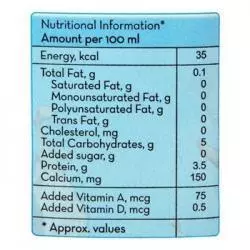
Benefits of Skim Milk (FatFree) on Health
Ideal For Weight loss
Skim milk benefits weight loss moreover almond milk when it comes to protein. A 1-cup serving has 9 grams of protein, while almond milk has less than 2 grams of protein per cup. Protein digests slowly, and it takes a lot of energy to break down — a phenomenon called high thermic effect. Because of its higher protein content, your body actually burns more calories digesting milk than almond milk.
There’s also some evidence linking dairy consumption to fat loss. A study published in the British Journal of Nutrition in 2015 looked at the results of several prior studies to determine if there’s any connection between dairy intake and body weight.
After studying the results of 41 studies, the researchers found that, while dieters who consumed three servings a day of dairy didn’t lose weight, they did lose body fat. As of October 2015, no scientific evidence links almond milk to weight loss or fat loss.
Muscle Growth
Skim milk has an equally high amount of proteins as regular milk. An average cup of skim milk contains about 8.7 grams of proteins which is 17% of your recommended daily intake. Higher-end brands of skim milk are fortified with high protein powder, increasing its protein content to as much as 12 grams per serving.
Studies have found that protein-rich foods are more satisfying and can help suppress your appetite. High intakes of protein inhibit your brain’s production of appetite-stimulating hormones. A diet of low fat, high protein foods are proven to lower daily caloric intake and produce desirable weight loss results.
Keeps Heart Healthy
Skim milk is low in fat and cholesterol level as compared to whole milk. Saturated fats have been associated with many heart-related diseases for a long time, and coronary heart disease is the most usual one. The risk associated with milk doesn’t mean one should cut off milk and milk products from the diet, it’s not a wise idea. Skim milk is the most healthy and beneficial replacement for other types milk. As Skim milk is very low in fat and contains almost no saturated fats, adding it to a diet will keep your heart healthy.
Good For Bones
Calcium is very important mineral for bone development and maintenance in the body. Calcium is not present in fat of the milk as it is not a fat soluble. Therefore the amount of calcium in low-fat milk is same as whole milk. Drinking skimmed milk benefits our bones in long run. The calcium content in milk reduces your risk of developing osteoporosis at a young age, helping you feel strong as you age.
Balances Blood Pressure
The potassium content in skim milk is at peak. Potassium content is responsible to control blood pressure by relieving the strains and stress from blood vessels and arteries. Though which in return balances the blood pressure.
Benefits of fat-free milk are tremendous, adding a glass of fat-free milk in your daily diet is enough to provide many useful minerals and vitamins. Also, low-fat milk like Amul skim milk is easily available in the market. If you are lazy enough to go out, you can also order Amul slim milk online from Awesome Dairy with home delivery in Mumbai.
If you want to know what is skim milk price ,Click Here