


Awesome Blog Blog
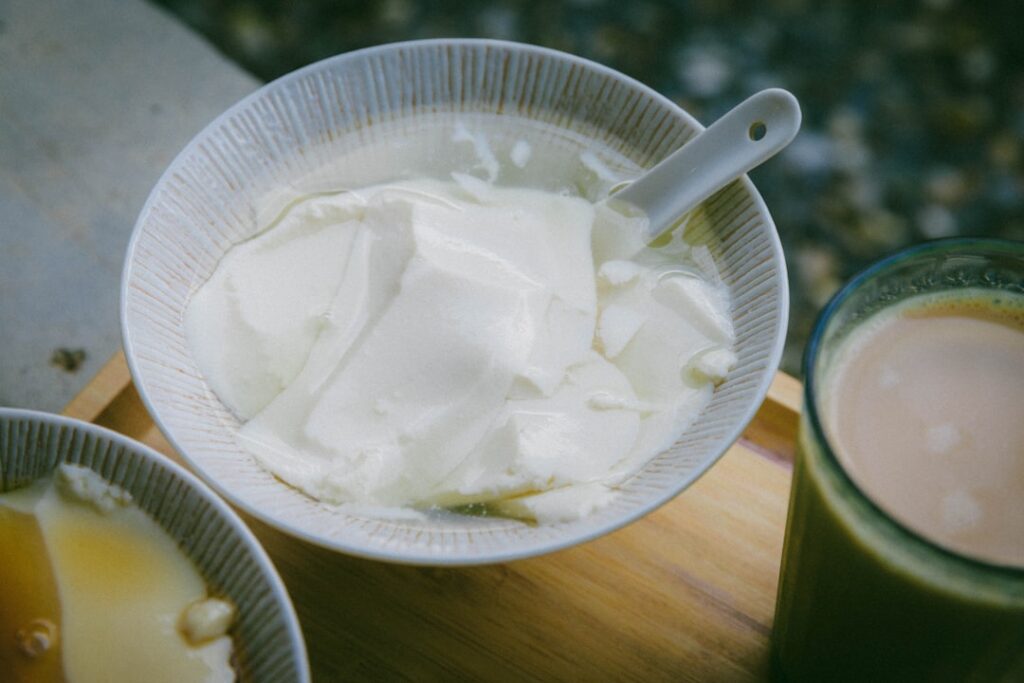
Curd Not Setting? Temperature, Starter & 8 Fixes for Thick Dahi
26 October, 2026If your curd is not setting, check the starter and temperature before blaming the milk. Dahi sets when active lactic acid bacteria convert some milk lactose into lactic acid. As acidity rises, milk proteins form a soft gel. If the starter is weak, the milk is too hot when it is added, or the container gets cold during incubation, the gel may not form properly.
This guide explains how to make thick homemade curd, why dahi sometimes turns watery or sour, and when an unsuccessful batch should be discarded rather than “rescued.”
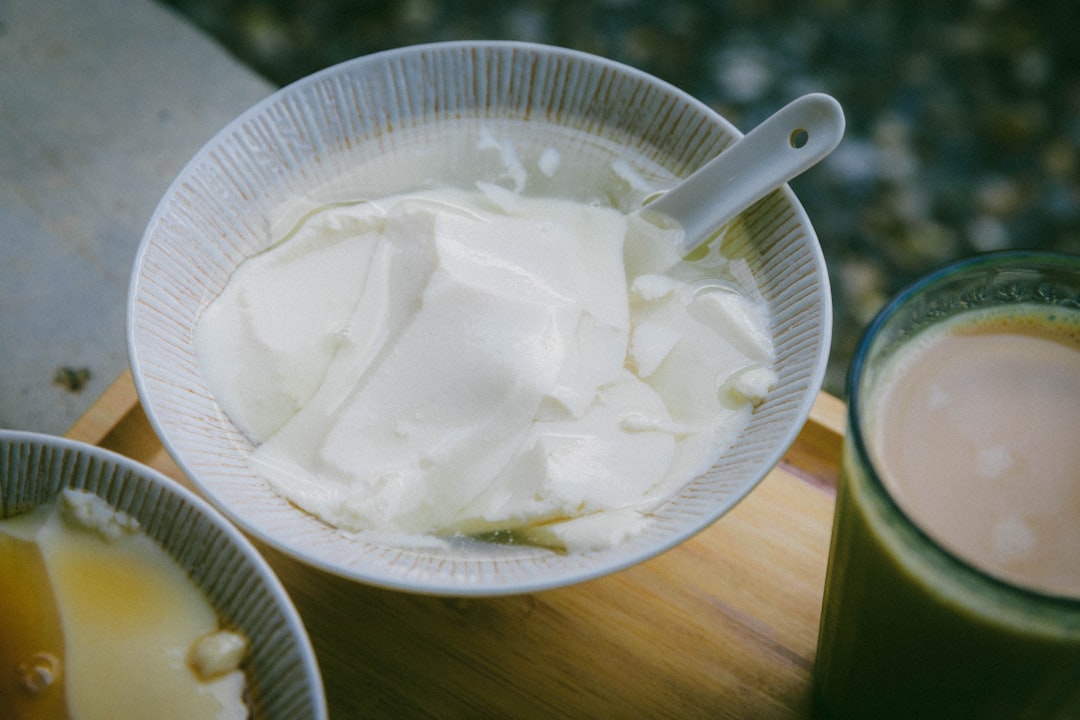
Why is my curd not setting? The quick diagnosis
Check these in order: Was the starter fresh and active? Was the milk cooled before inoculation? Did the container stay at a suitable, steady temperature? Was the milk heated adequately for a firm gel? Did anyone stir or move the vessel while the set was forming?
A household dahi starter (jaman) can contain a different mix of lactic acid bacteria from a commercial yogurt starter. This matters: there is no universal incubation temperature or fixed setting time for every starter. The frequently quoted 40–43°C band is appropriate for many thermophilic yogurt-style cultures, but traditional dahi starters may behave differently. Follow any supplied culture instructions and use a thermometer rather than guesswork.
How to make thick curd at home: a practical 1-litre method
1. Choose suitable milk
Start with 1 litre of fresh, commercially pasteurized milk. Full-cream milk generally gives a richer mouthfeel. Toned or lower-fat milk can also set, although the gel may seem softer unless its milk-solids content is increased. Milk composition affects body and creaminess, not whether active cultures can ferment lactose. For more context, read our full-cream versus toned milk guide.
2. Heat the milk for texture, then cool it
For a firmer cultured-milk gel, home yogurt-making guidance recommends heating already pasteurized milk to approximately 82–85°C (180–185°F), keeping it hot for about 10–20 minutes while stirring gently, and then cooling it. This helps whey proteins participate in the gel and reduces whey separation. Avoid scorching. Heating for texture is not a substitute for proper pasteurization of raw milk; using commercially pasteurized milk is the simpler safe starting point.
3. Add a suitable active starter
Use fresh plain dahi containing live active cultures, or a food-grade starter with clear instructions. As one documented yogurt-style reference, the University of Alaska recipe uses roughly 60 mL of live-culture plain yogurt per litre of milk. Traditional dahi starters vary in activity, so do not treat that amount as a mandatory jaman dose. The quality and viability of the culture matter more than blindly adding large quantities. Mix a little cooled milk into the starter first, then gently blend it into the rest.
4. Hold at the temperature your culture needs
For a typical thermophilic yogurt starter, cool the milk to approximately 42–43°C before inoculation and maintain about 40–43°C during incubation. University extension guidance describes a setting period of roughly 4–7 hours for those defined cultures. Household dahi can take a different time because its bacteria, starting acidity and room conditions vary. A clean, covered, insulated container or temperature-controlled curd maker is more consistent than leaving an open pot on the counter.
5. Stop fermentation when the curd is firm
Do not keep a well-set batch warm simply to make it “thicker.” Once the curd has formed a reasonably firm gel, refrigerate it promptly at 4°C or colder. Prolonged warm incubation increases acidity and can cause whey-off. Let it chill before serving; repeated stirring while setting can break the gel.
8 common curd-setting problems and what to do next time
| Problem | Likely explanation | Better approach for the next batch |
|---|---|---|
| 1. Milk stays liquid | Inactive starter, incorrect temperature or failed fermentation | Use a fresh verified live starter and an accurate thermometer; discard a failed batch. |
| 2. Starter was added to very hot milk | Excess heat can inactivate culture bacteria | Cool first to the starter’s recommended inoculation temperature. |
| 3. Dahi will not set in winter | The vessel loses warmth before adequate acid develops | Use a clean insulated vessel or controlled yogurt maker; monitor the temperature. |
| 4. Curd is thin despite setting | Lower total milk solids, weak protein gel or unsuitable heat treatment | Try higher-solids milk, or properly heat pasteurized milk before adding culture. |
| 5. Water appears on top | Whey separation (syneresis); a little is normal | Avoid moving the setting gel and refrigerate promptly once set. |
| 6. Curd gets very sour | Excessive acid development from over-incubation | Check earlier and chill promptly after a proper set. |
| 7. Set breaks into lumps | Agitation while setting or an overly acidic gel | Leave the container undisturbed and avoid needless stirring. |
| 8. Repeated failures despite good ingredients | Unreliable culture or contamination from utensils/detergent residues | Thoroughly wash, rinse and sanitize the vessel; start again with a fresh culture. |
The difference between watery but properly set curd and milk that never fermented properly is important. A small layer of clear-yellow whey above otherwise normal curd can be a texture issue. A batch that fails to acidify and set as expected is a food-safety concern and should not be kept warm indefinitely.
How to set curd in winter without leaving milk out all night
Cold kitchens slow down fermentation. Rather than increasing the starter at random, first prevent the vessel from cooling below the working range of your chosen culture. A pre-warmed insulated box, a correctly controlled yogurt maker or a clean thermos-style container can reduce temperature swings. Check the actual milk temperature: an oven or appliance that feels “warm” may be too hot for the culture, and an unheated oven may cool rapidly.
Do not rely on a fixed overnight period. The right end point is a properly fermented, set product, not the number of hours on the clock. If the usual instructed process fails, discard the batch. Do not taste it to decide whether it is safe or keep trying to ferment it for another night.
Why does homemade dahi turn watery?
Two different things get called “watery curd.” A weak gel means the milk never developed enough structure: culture activity, incubation conditions and milk protein matter. Whey separation means the gel formed but released some liquid. Slight whey-off is not unusual, especially if curd has been stirred or left warm after setting.
For a firmer set, the most useful controllable factors are adequate milk solids, suitable preheating, culture viability, steady incubation and prompt cooling. Adding thickening ingredients is not the only solution. Commercial set dahi and stirred dahi also behave differently because breaking the gel changes how water is retained.
Does buffalo milk make thicker curd than cow milk?
Often, yes. Buffalo milk commonly has more fat and total solids, which can produce a richer, firmer-feeling set under comparable conditions. But the starter, heat treatment and fermentation still matter; richer milk will not correct dead culture. Also, thicker curd does not necessarily mean more curd by weight. See our curd yield from 1 litre of milk explanation for the difference.
Is homemade dahi the same as yogurt?
Both are cultured dairy products, but their bacteria need not be identical. The Indian FSSAI fermented-milk framework distinguishes dahi from yogurt by culture characteristics. The commonly used yogurt cultures are Streptococcus thermophilus and Lactobacillus delbrueckii subsp. bulgaricus; traditional dahi may use mixed lactic acid bacteria. That is why advice written for commercial yogurt cultures does not always transfer perfectly to a spoonful of household jaman. Our curd versus yogurt article explains the distinction in more detail.
Can you fix a batch that never set?
For food safety, discard a batch that has failed to ferment or set normally. A liquid appearance alone cannot establish whether harmful organisms grew while the milk was held warm. Do not attempt to rescue a failed batch by leaving it out for many more hours, adding fresh starter late, reheating it and tasting it, or mixing it into a new batch. University of Alaska Cooperative Extension explicitly advises discarding yogurt that fails to set properly.
Frequently asked questions
Why is my curd not setting even after 8 hours?
The culture may be inactive, or the milk may have spent too much time outside the culture’s operating temperature. Eight hours is not a universal deadline. Follow the starter’s validated process; do not extend an unsuccessful fermentation indefinitely.
Can I use cold curd directly as a starter?
Fresh refrigerated plain curd containing live cultures can be used, provided its culture is suitable. Blend it smoothly with a small amount of warm (not hot) milk before adding it to the batch. Follow the culture’s recommended dose.
Can toned milk make thick curd?
Yes, but texture may be softer than with higher-solids milk. Proper heating and a functioning culture help; adding milk solids is sometimes used in formulated yogurt to improve firmness.
Why does my curd become sour overnight?
The bacteria continue producing acid while the curd stays warm. Refrigerating promptly after a proper set limits further acid development.
Is the water on top of curd harmful?
A small amount of whey on otherwise normal, properly fermented curd can be a natural separation. It is not proof of spoilage or proof of safety. Discard the curd if it has mold, unexpected odors, visible contamination or other signs of spoilage.
Does more jaman always set curd faster?
No. Culture quality, its specific bacteria and temperature matter. An excessive starter dose can also change acidity and flavour. Use the culture-maker’s directions or refine a known working household recipe rather than adding arbitrary amounts.
Sources and technical references
- University of Alaska Fairbanks Cooperative Extension: Making Yogurt at Home. Starter viability, heating, incubation, whey separation and discard guidance.
- Washington State University Extension: Yogurt Made Simple. Heat-treatment and common fermentation-failure causes.
- FSSAI: Food Products Standards and Food Additives Regulations, fermented milk provisions (official 2022 compendium; consult current amendments for commercial compliance).
Home-preparation guidance is educational and assumes hygienic handling of commercially pasteurized milk. Different starter cultures require different conditions; follow validated instructions for the specific culture you use.