


Awesome Blog Blog
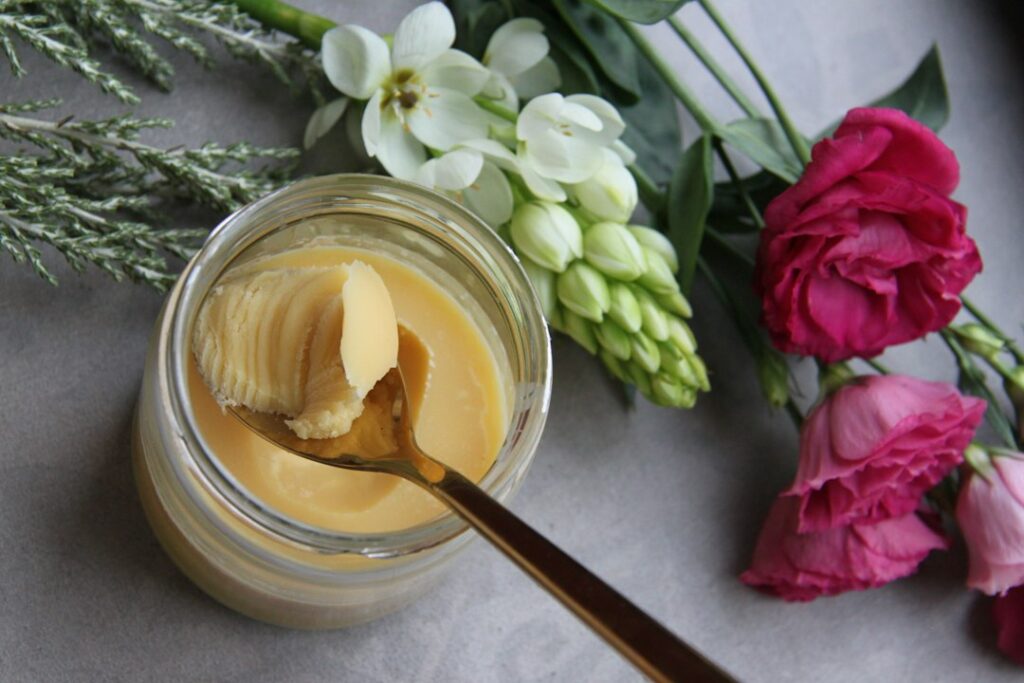
How to Check Ghee Purity at Home: Safe Tests, FSSAI Method & What They Prove
6 October, 2026If you are searching for a ghee purity test at home, the most important thing to know is this: kitchen checks can flag obvious problems, but they cannot prove that a sample is 100% pure milk fat. Ghee changes in colour, grain, aroma and melting behaviour with the milk source, season and processing method, so no single “viral” home trick is definitive.
This guide separates useful screening checks from myths, explains what the official FSSAI method actually detects, and shows when laboratory testing is the only reliable answer.
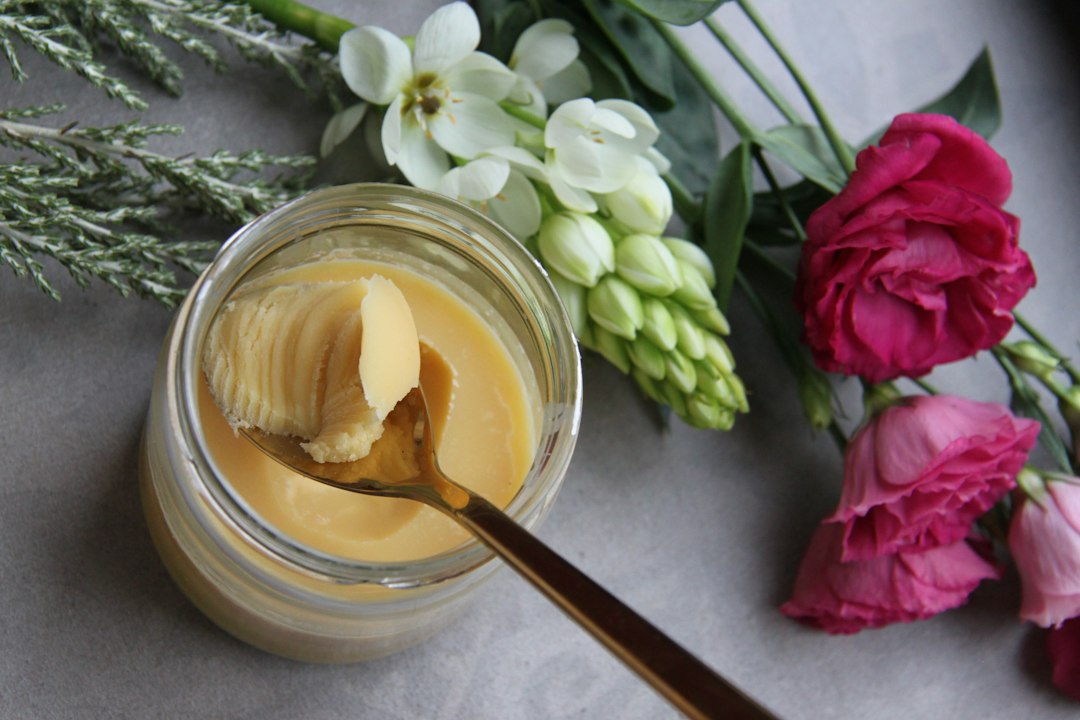
Quick answer: how can you check ghee purity at home?
Use home checks as screening tools, not as a certificate of purity. Start with the label and source, then observe melting, aroma and setting behaviour. If starch is suspected, an iodine-based food test can screen specifically for starch. For vanaspati or hydrogenated-fat adulteration, the official FSSAI dairy testing manual uses the Baudouin test, which involves laboratory chemicals and safety controls and is not a casual kitchen experiment.
| Check | What it may tell you | Can it prove purity? |
|---|---|---|
| Label, seal and traceability | Whether the product has basic regulatory and batch information | No, but it is the best first filter |
| Palm or melt check | Unusual waxiness, separation or residue | No |
| Refrigeration / grain check | Unusual phase separation | No |
| Aroma and flavour | Rancidity, burnt notes or abnormal odour | No |
| Iodine test | Possible starch adulteration | Only for starch screening |
| FSSAI Baudouin test | Vanaspati marker via sesame oil | Targeted test, not a complete purity profile |
| Accredited laboratory analysis | Fat identity and quality parameters | Best route for confirmation |
1. Check the pack before you test the ghee
The strongest first step does not require any chemistry. Check whether the pack is properly sealed and whether it carries the manufacturer or marketer details, batch or lot number, date marking, net quantity, ingredient declaration and FSSAI licence information where applicable. A product sold unusually cheaply, without traceability, or in an unlabelled loose form deserves extra caution.
Do not assume that a premium price automatically guarantees purity. Price is only a warning signal; traceability and testing matter more.
2. Palm and melting test: useful, but only as a screen
A small quantity of ghee will soften or melt with warmth. You can also warm a spoonful gently and observe whether it melts evenly and whether any unusual residue or separate oily layer appears. This is useful for spotting gross abnormalities, but it is not a scientific purity test.
Milk fat itself has a broad melting range. Cow ghee, buffalo ghee, feed, season and crystallisation conditions can all change texture and melting behaviour. A sample that melts quickly is not automatically pure, and one that is grainy is not automatically superior.
3. Refrigerator test: watch for separation, not “perfect grain”
Chill a small sample and observe how it sets. Obvious phase separation can be a reason to investigate further. However, the popular claim that “pure ghee must always set in one exact grain pattern” is too simplistic. Crystal size and grain depend on how the ghee was cooled, stored and processed.
Use this check to notice something unusual, not to issue a pass/fail verdict.
4. Aroma, colour and taste: quality clues, not proof
Good ghee typically has a clean dairy aroma with cooked, nutty or caramel-like notes. Rancid, paint-like, burnt or strongly chemical odours are warning signs. But colour is especially unreliable: cow-milk ghee may look more yellow because of carotenoids, while buffalo-milk ghee is often paler. Processing and feed also affect colour.
If you are comparing ghee with butter for cooking, smoke behaviour and culinary use, see our detailed guide: Ghee vs Butter: Nutrition, Smoke Point, Cooking Uses & Which to Choose.
5. Iodine test: only for suspected starch
Iodine-based food tests are commonly used to screen for starch because iodine forms a blue-purple complex in the presence of starch. If you use a commercial food-adulteration test kit, follow its instructions exactly. A negative starch result does not prove that the ghee contains no vegetable fat, animal fat or other adulterant.
6. What the FSSAI Baudouin test actually detects
The official FSSAI Manual of Methods of Analysis for Dairy and Dairy Products includes the Baudouin test for detecting vanaspati in milk-fat products such as ghee. The principle is based on detecting sesame-oil components, because sesame oil is required as a marker in vanaspati.
The official method uses concentrated hydrochloric acid and furfural and explicitly requires chemical-safety precautions. For that reason, we do not recommend copying the laboratory procedure casually in a home kitchen. If vanaspati adulteration is a genuine concern, use an appropriate validated consumer test kit or send the sample to a competent food laboratory.
An older FSSAI food-safety-officer manual also describes the same underlying colour reaction for vanaspati or margarine in ghee. The key lesson is that this is a specific chemical test, not a general “all adulterants” test.
What home ghee tests cannot tell you
- whether the ghee came from a particular cattle breed;
- whether it was made by a bilona, creamery or another process;
- whether the milk was A1 or A2 based only on the finished ghee;
- whether pesticide residues, heavy metals or other contaminants are present;
- the exact percentage of a possible adulterant; or
- whether every FSSAI compositional parameter is within specification.
Those claims require traceability, process records and, where relevant, laboratory analysis. A strong aroma, yellow colour or attractive grain structure cannot replace analytical testing.
How a laboratory checks ghee more reliably
Depending on the question, a laboratory may use a combination of physical and chemical parameters rather than one magic test. For dairy-fat identity and quality, methods can include refractometry, Reichert-Meissl and Polenske values, fatty-acid or sterol profiling, moisture/free-fatty-acid measurements and targeted adulterant tests. The appropriate test panel depends on the suspected problem and the applicable standard.
If the result has commercial, legal or health significance, choose an appropriately accredited food-testing laboratory and keep the sealed sample, batch details and purchase invoice.
How to reduce the risk of buying adulterated ghee
- Buy traceable packs. Prefer sealed products with clear batch and manufacturer information.
- Read the ingredient declaration. Ghee should be represented clearly as a milk-fat product, not a blended spread.
- Be cautious with implausibly low prices. Genuine dairy fat is expensive to produce.
- Check storage and pack integrity. Heat, light and contamination can damage quality even when the original product was genuine.
- Keep the bill and batch number. These matter if you need to raise a complaint or send a sample for testing.
- For high-value purchases, ask for evidence. Batch-linked laboratory reports and supply-chain traceability are more meaningful than marketing phrases alone.
Frequently asked questions
How can I identify pure ghee at home?
You can screen for obvious abnormalities using the pack information, aroma, melting and refrigeration behaviour, but these checks cannot confirm 100% purity. For a defensible answer, use a validated targeted test or laboratory analysis.
Does pure ghee always become grainy?
No. Grain formation depends on milk-fat composition and cooling history. Smooth or grainy texture by itself is not proof of purity or adulteration.
Can colour tell whether ghee is pure?
No. Cow and buffalo milk fat naturally differ in colour, and feed, season and processing can also change the appearance. Colour is a quality clue, not a conclusive test.
What does the FSSAI test for vanaspati in ghee detect?
The FSSAI Baudouin method detects a marker associated with sesame oil, which is added to vanaspati. It is a targeted adulteration test and should be performed with proper laboratory safety because the official method uses hazardous chemicals.
Is the iodine test enough to prove ghee is pure?
No. Iodine is useful for detecting starch, but a negative result says nothing about vegetable-fat adulteration or many other quality parameters.
Bottom line
The best ghee purity test at home is not one trick—it is a sensible screening process. Check traceability first, use physical observations only as clues, and reserve chemical or legal conclusions for validated testing. If a batch matters enough to question, test the batch rather than trusting a colour, smell or social-media hack.
Sources: Food Safety and Standards Authority of India (FSSAI), Manual of Methods of Analysis for Dairy and Dairy Products; FSSAI food-safety guidance on common adulterants.