


Awesome Blog Blog
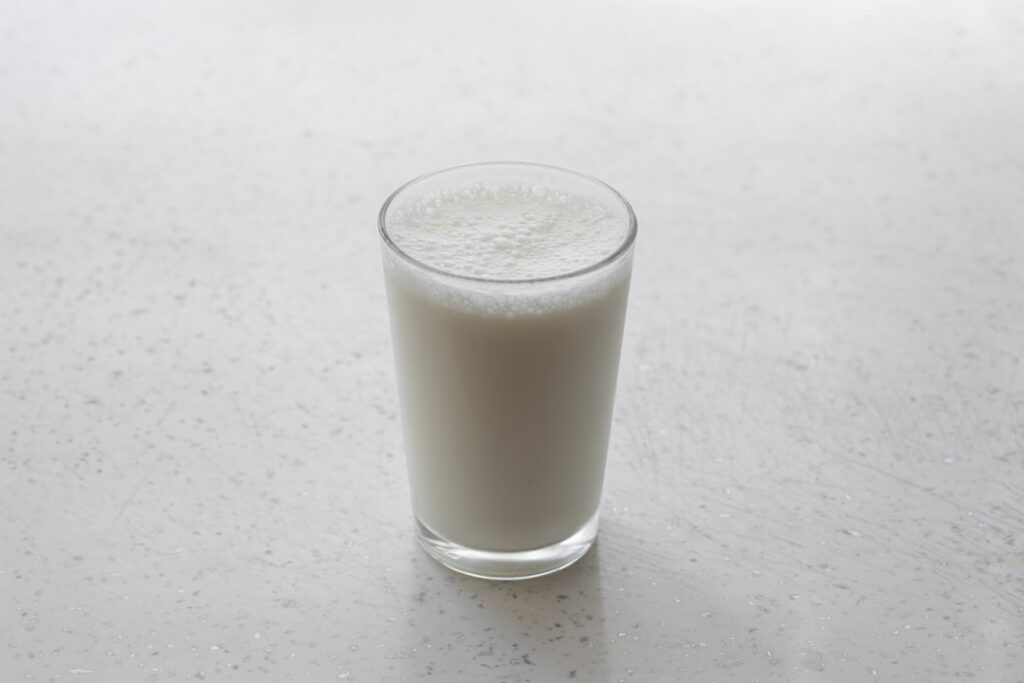
A2 Milk vs Regular Milk: What A1/A2 Beta-Casein Science Actually Says
25 September, 2026A2 milk is one of the most discussed premium dairy categories in India, but the science is often mixed with marketing. The real difference between A2 milk and conventional cow milk is much narrower than many consumers assume: it relates mainly to a genetic variant of one milk protein, beta-casein.
That single protein difference may influence digestion in some people, but it does not automatically make A2 milk lactose-free, allergy-safe, higher in calcium, more nutritious in every respect, or a treatment for chronic disease.
This guide explains the subject from a dairy-technology and evidence-based nutrition perspective.
A2 milk vs regular milk: the difference in one table
| Parameter | A2 Milk | Conventional / Regular Cow Milk |
|---|---|---|
| Beta-casein type | Contains A2 beta-casein, typically from A2A2 cows | May contain a mixture of A1 and A2 beta-casein depending on herd genetics |
| Lactose | Still contains lactose unless separately lactose-free | Contains lactose unless separately lactose-free |
| Total protein | Not automatically higher | Depends on breed, milk solids and standardisation |
| Calcium | Not automatically higher | Depends on milk composition and processing |
| Digestive comfort | Some trials report fewer gastrointestinal symptoms in selected people | Some sensitive individuals report more symptoms in comparative trials |
| Milk allergy | Still contains cow-milk proteins and can trigger allergy | Can trigger cow-milk-protein allergy |
| Production basis | Requires identification of cows carrying the desired beta-casein genotype | Usually pooled milk without specific A1/A2 segregation |
First: what exactly are A1 and A2 beta-casein?
Cow milk contains two broad protein families: caseins and whey proteins. Beta-casein is one of the major casein proteins. A1 and A2 are genetic variants of beta-casein produced according to the cow’s CSN2 gene.
The molecular difference is remarkably small. At amino-acid position 67, A1 beta-casein contains histidine, while A2 beta-casein contains proline. This single substitution changes the way the protein can be cleaved during digestion.
In simple terms, A1 and A2 milk are not two completely different foods. They are milks whose beta-casein protein has a slightly different genetic structure.
Why is beta-casomorphin-7 (BCM-7) discussed so much?
During digestion, proteins are broken into smaller peptides. A1 beta-casein is more susceptible to cleavage near position 67 and can release a peptide called beta-casomorphin-7, or BCM-7. The proline at the same position in A2 beta-casein makes this specific cleavage less favourable.
BCM-7 can interact with opioid receptors in experimental systems, which is why A1/A2 research originally generated interest around gastrointestinal function and several other health hypotheses.
However, identifying a biological mechanism is not the same as proving a clinically important health effect. The important question is what controlled human studies actually show.
What does human research say about A2 milk?
A systematic review of human evidence published in Nutrition Reviews evaluated randomized trials and epidemiological studies comparing A1 and A2 beta-casein. The review judged the evidence as moderate for digestive symptoms, while evidence for most other proposed health outcomes was low or very low certainty.
That distinction is important. The current evidence gives some reason to investigate digestive tolerance, but it does not justify presenting A2 milk as a proven preventive treatment for diabetes, heart disease, autism, neurological disease or other major conditions.
More recent randomized studies have continued to examine gastrointestinal tolerance. A 2020 double-blind crossover trial in lactose maldigesters found lower abdominal-pain scores and some improvement in symptom measures after A2-only milk compared with conventional milk. A 2024 crossover study in confirmed lactose maldigesters also reported more bloating, flatulence and fecal urgency during A1/A2 milk consumption than during A2-only milk consumption, although several biological markers did not differ.
These studies are interesting but generally small. They support a possible digestive-comfort effect in selected consumers; they do not establish that every person needs A2 milk.
A2 milk is NOT lactose-free
This is probably the most important consumer misunderstanding.
A2 refers to beta-casein protein. Lactose is a carbohydrate. They are completely different components of milk.
A person with lactose intolerance has reduced ability to digest lactose because of low intestinal lactase activity. Standard A2 milk still contains lactose. Therefore, somebody with significant lactose intolerance can still develop bloating, gas, cramps or diarrhea after drinking A2 milk.
Why, then, do some lactose maldigesters report better tolerance to A2 milk in clinical trials? One hypothesis is that beta-casein type may modify gastrointestinal responses independently of lactose. But this does not remove the lactose from the milk.
If the primary problem is confirmed lactose intolerance, lactose-free milk remains a different technological solution: the lactose is enzymatically hydrolysed using lactase.
A2 milk is also NOT suitable for cow-milk-protein allergy
Cow-milk-protein allergy is an immune reaction to milk proteins such as caseins or whey proteins. A2 milk is still cow milk and still contains multiple cow-milk proteins.
Changing one beta-casein variant does not make the product hypoallergenic. A person with diagnosed cow-milk-protein allergy should not treat A2 milk as a safe alternative unless specifically advised by a qualified clinician.
Does A2 milk contain more protein, calcium or vitamins?
Not necessarily. The A1/A2 classification describes the beta-casein genotype, not the entire nutritional composition of the milk.
Total protein, fat, lactose, minerals and energy depend on several other factors:
- breed and individual animal genetics,
- stage of lactation,
- feeding and farm management,
- season,
- milk standardisation at the dairy,
- whether cream or milk solids are added or removed.
Two milk packs can both be A2 but have different fat and protein levels. Similarly, a conventional milk can have higher total protein than a particular A2 product.
For consumers, the nutrition panel still matters.
Are Indian indigenous cows naturally A2?
Indian indigenous Bos indicus cattle populations have a high frequency of the A2 allele, but it is safer scientifically to talk about probability and genotype rather than assume every individual animal is automatically A2A2.
A large Indian genetic study analysing roughly 4,000 animals reported a very high prevalence of the A2 allele across native cattle. Another study covering several indigenous and exotic breeds found a high proportion of A2A2 animals in indigenous breeds, including a particularly high frequency in Gir cattle.
But herd management still matters. Crossbreeding, heterozygous A1A2 animals and sire selection can alter the genetic profile over time. For a commercial A2 programme, the technically robust method is genotyping individual animals and controlling milk segregation, not simply relying on breed appearance.
How does a dairy actually produce verified A2 milk?
An A2 milk business is not just a packaging exercise. A credible supply chain requires controls from animal selection to the final milk tanker.
The typical technical sequence is:
- Genotype the cows for the beta-casein gene and identify A2A2 animals.
- Segregate the herd or milk stream so A2 milk is not mixed with milk from non-qualified animals.
- Maintain traceability from farm to chilling centre and dairy plant.
- Control normal milk quality parameters such as fat, SNF, acidity, microbial load, antibiotic residues and adulteration.
- Pasteurise and process safely according to normal dairy-quality requirements.
A2 status does not replace food-safety control. A poorly handled A2 milk is still poor-quality milk.
Does pasteurisation destroy the A2 benefit?
Pasteurisation does not convert A2 beta-casein into A1 beta-casein. The A1/A2 distinction comes from the underlying amino-acid sequence encoded genetically.
Heat processing can change protein structure to some extent and can influence digestibility and peptide release, but ordinary pasteurisation does not change the cow’s beta-casein genotype.
From a food-safety perspective, pasteurisation remains an important control step because A2 status offers no protection from pathogenic microorganisms.
Is raw A2 milk better than pasteurised A2 milk?
No health advantage should be assumed simply because milk is raw. Raw milk can carry pathogens even when it comes from healthy-looking animals and hygienic farms.
The A2 question and the pasteurisation question are separate:
- A2 describes a beta-casein variant.
- Pasteurisation is a food-safety process designed to reduce pathogenic microorganisms.
Choosing A2 milk does not require choosing raw milk.
A2 milk vs regular milk for children
Children can consume dairy as part of an age-appropriate diet, but A2 milk should not be positioned as universally superior for every child. Some pediatric studies have investigated digestive comfort, but the evidence base is still developing.
For a child with persistent abdominal symptoms, suspected lactose intolerance, poor growth or suspected milk allergy, identifying the actual clinical cause is more important than simply switching milk categories.
A2 milk vs regular milk for adults with digestive discomfort
If somebody experiences discomfort after ordinary milk but does not have a milk-protein allergy, an A2 product may be reasonable to test as part of a structured dietary comparison. But there are several other variables to consider:
- quantity of milk consumed,
- lactose load,
- whether the milk is taken with food,
- fat content,
- individual gut sensitivity,
- other foods consumed at the same time.
A useful comparison is to keep the serving size and meal context similar and observe tolerance over several occasions instead of drawing conclusions from one glass.
What A2 milk does NOT tell you about milk quality
The A2 label answers one protein-genetics question. It does not automatically answer these equally important quality questions:
- Was the milk hygienically produced?
- Was it chilled quickly after milking?
- Is the cold chain maintained?
- What are the fat and SNF levels?
- Has it been screened for antibiotic residues?
- Is it free from adulteration?
- Was it correctly pasteurised?
- How old is the milk when it reaches the consumer?
From an experienced dairy-technologist’s perspective, these parameters often matter more to day-to-day product quality than the A1/A2 discussion alone.
How to compare an A2 milk pack before buying
Use a practical checklist:
- Check the milk type: full cream, standardised, toned or another declared category.
- Read protein and fat per 100 ml: A2 does not guarantee a specific nutrition profile.
- Check whether the brand explains its A2 verification system: animal genotyping and segregated sourcing add credibility.
- Check processing and storage: pasteurised chilled milk and UHT milk have different distribution requirements.
- Do not confuse premium positioning with medical benefit: claims should stay within what evidence supports.
Awesome Dairy has historically listed A2 milk options such as Gorasa A2 Milk 500 ml, Gorasa A2 Milk 1 L and GoSrushti A2 Gir Cow Milk. Current product availability and label information should always be checked before purchase.
You may also find our guides on whether Tetra Pak milk is safe and paneer as a protein source useful when comparing dairy products.
Frequently asked questions about A2 milk
Is A2 milk healthier than normal milk?
The strongest human evidence is currently around possible differences in digestive comfort for some individuals. Evidence is not strong enough to claim that A2 milk universally prevents major chronic diseases or is nutritionally superior in every respect.
Can lactose-intolerant people drink A2 milk?
A2 milk still contains lactose. Some lactose maldigesters have reported fewer symptoms with A2-only milk in controlled studies, but people with significant lactose intolerance may still react because the lactose remains present.
Is A2 milk the same as lactose-free milk?
No. A2 refers to a beta-casein protein variant. Lactose-free milk has had its lactose enzymatically broken down.
Is A2 milk safe for milk allergy?
No assumption should be made. A2 milk is still cow milk containing casein and whey proteins and can trigger cow-milk-protein allergy.
Is Gir cow milk always A2?
Gir cattle have a very high frequency of the A2 allele in published Indian studies, but commercial verification should ideally rely on animal genotyping and controlled milk segregation rather than breed name alone.
Does A2 milk have more protein?
Not automatically. Total protein depends on the milk itself and how it is standardised. Read the nutrition panel per 100 ml.
Does boiling change A2 milk into A1 milk?
No. Heating does not change the genetically determined amino-acid sequence from A2 to A1.
The bottom line
A2 milk is scientifically different from conventional A1/A2 milk, but the difference should be described precisely. It is primarily a beta-casein genetic distinction. Human research suggests that A2-only milk may improve digestive comfort for some people, especially in studies involving milk intolerance or lactose maldigestion, but evidence for broad disease-prevention claims remains limited.
For consumers, A2 status should be considered alongside the fundamentals of dairy quality: nutrition, hygiene, pasteurisation, cold chain, freshness and transparent sourcing.
Scientific references
- Systematic review of A1 beta-casein and human health outcomes.
- Randomized crossover trial comparing A2-only and conventional milk in lactose maldigesters.
- 2024 two-week crossover study of A2 and A1/A2 milk in lactose maldigesters.
- Large Indian study of A1/A2 beta-casein genetics in native cattle.
- Review of beta-casein variants and dairy-product functionality.
This article is educational and explains dairy science and published evidence. It is not a substitute for diagnosis or personalised medical or dietetic advice.
Featured photo: engin akyurt / Unsplash.