

Awesome Blog Blog
Is Paneer a Good Source of Protein? A Practical Indian Guide for 2026
19 September, 2026Protein is no longer a niche fitness topic in India. In 2026, interest in protein-rich foods is moving into everyday kitchens, and familiar dairy foods such as paneer, curd, Greek-style yoghurt and milk are part of that shift.
For vegetarian households especially, paneer is one of the most practical dairy foods to include in a protein-focused diet. It is familiar, versatile, widely available and can work across breakfast, lunch, snacks and dinner. But is paneer actually a good source of protein, and how should you choose and use it? This guide explains the essentials.
Why Paneer Is Getting More Attention in 2026
India’s protein category is expanding beyond supplements. Recent industry reporting points to strong consumer interest in protein-rich and probiotic foods, while value-added dairy is expected to be an important growth area. That makes traditional foods such as paneer increasingly relevant to people who want to improve the protein quality of everyday meals without completely changing how they eat.
The key advantage of paneer is simplicity: it is made by coagulating milk and separating the curd from whey. Because its composition varies with the milk and manufacturing method, the exact protein, fat and calorie content can differ from one product to another. For packaged paneer, always use the nutrition panel on the pack for exact values.
Is Paneer a Good Source of Protein?
Yes. Paneer provides milk protein and can make a meaningful contribution to daily protein intake. It also provides other nutrients naturally associated with dairy foods. However, paneer should be viewed as one component of a balanced diet, not as a substitute for dietary variety.
If your goal is higher protein intake, compare packaged products on a per-100-gram basis. Look at protein as well as total fat, saturated fat, sodium and calories. A product marketed as “high protein” is not automatically the right choice for everyone.
Paneer vs Greek Yoghurt vs Milk: Which Should You Choose?
There is no single winner because each food serves a different purpose.
- Paneer: useful in main meals and snacks; generally more energy-dense and highly versatile in Indian cooking.
- Greek-style or strained yoghurt: convenient for breakfast, bowls and snacks; protein content varies significantly by brand and formulation.
- Milk: easy to consume and useful in beverages, cereals and recipes; the protein per serving depends on the quantity and type of milk.
A practical approach is to rotate dairy foods rather than relying on one product. This also makes it easier to build meals around taste, convenience and individual nutritional needs.
7 Easy Ways to Add Paneer to a Protein-Focused Indian Diet
1. Paneer bhurji for breakfast
Combine crumbled paneer with onion, tomato, capsicum and spices. Pair it with roti or another whole-grain option and vegetables for a more complete meal.
2. Grilled paneer as a snack
Marinate cubes with curd and spices, then grill or air-fry them. This can be a convenient alternative to heavily fried snacks.
3. Add paneer to salads
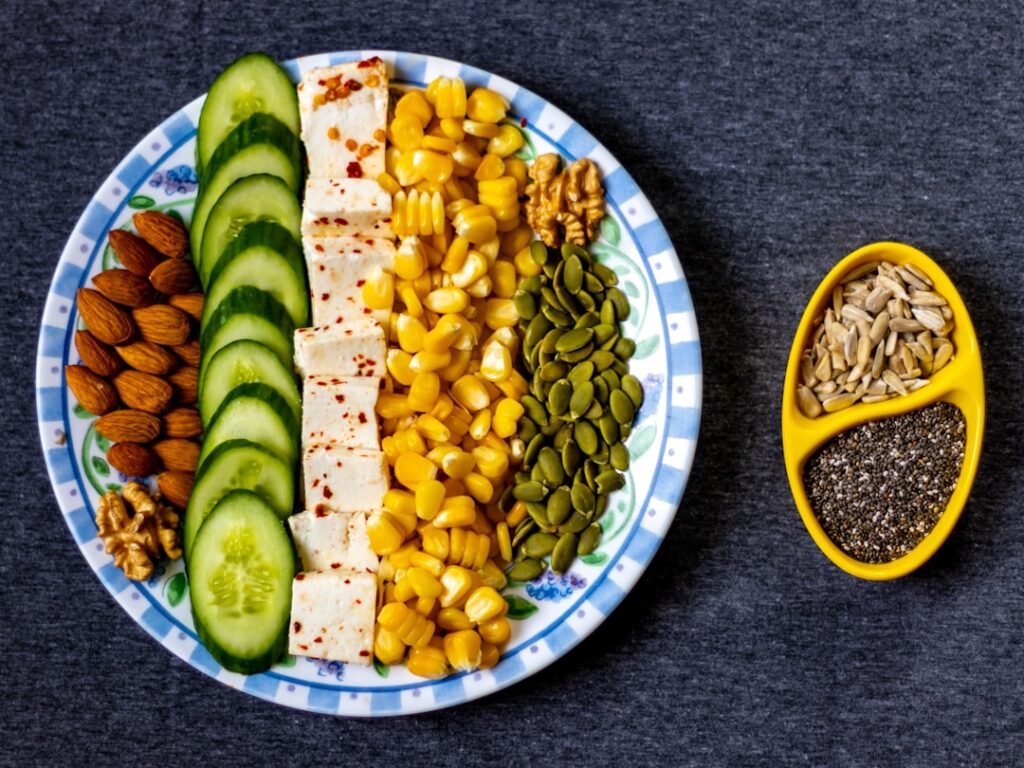
Paneer works well with cucumber, tomato, leafy vegetables, sprouts and herbs. Keep sauces and dressings proportionate if you are monitoring total calories.
4. Use paneer in wraps
A paneer-and-vegetable filling can turn a simple roti into a portable meal for work or school.
5. Combine paneer with legumes
Paneer does not need to be the only protein-containing food on the plate. Dal, beans, chickpeas and other pulses can complement a varied diet.
6. Choose lighter cooking methods
Grilling, sautéing or using paneer in a vegetable-based gravy can keep the dish simpler than deep-frying it or combining it with large amounts of butter and cream.
7. Control the portion
More is not always better. Your ideal portion depends on your overall diet, energy needs, activity level and health considerations. A qualified dietitian can help if you have a specific clinical or performance goal.
How to Choose Good Paneer
For packaged paneer, check the label for the product name, ingredient list, nutrition information, storage instructions, use-by or best-before information and the applicable food-business details. Buy chilled paneer from a retailer that maintains the required cold chain and keep it refrigerated according to the pack instructions.
Texture and flavour can vary by brand and style, but avoid a pack that is damaged, improperly sealed, stored outside its specified conditions or beyond its stated shelf life.
Paneer, Dairy Analogues and Labels: Why the Difference Matters
Consumers should also pay attention to product identity. Food regulators distinguish dairy products from dairy analogues, where non-milk constituents may replace milk components partly or completely. This is one reason reading the product name and ingredient list is more reliable than judging a product only by appearance.
Food Safety Matters as Much as Nutrition
Milk products such as paneer and ghee receive regulatory attention because adulteration and unsafe handling can undermine food quality and consumer confidence. Buy from reliable sources, follow storage directions and use good hygiene when handling fresh dairy products at home.
Frequently Asked Questions
Is paneer good for a high-protein vegetarian diet?
Paneer can be a useful protein-containing dairy food in a vegetarian diet. The best overall diet still includes variety across dairy, pulses, legumes, grains, vegetables, fruits, nuts and seeds according to individual needs.
Is paneer better than whey protein?
They are different foods with different uses. Paneer is a whole dairy food used as part of meals, while whey protein products are concentrated supplements. The appropriate choice depends on your diet and protein requirement.
Can I eat paneer every day?
Paneer can fit into many regular diets, but frequency and portion size should be considered in the context of total calories, protein, fat and other foods consumed. People with medical or dietary restrictions should seek personalised professional advice.
Is low-fat paneer better?
Not automatically. Low-fat paneer may suit someone who wants to reduce dietary fat or calories, while another person may prefer regular paneer. Compare the nutrition labels and choose according to your overall dietary goal.
How should paneer be stored?
Follow the storage temperature and instructions printed on the package. Keep chilled paneer refrigerated and avoid consuming products with damaged packaging or signs of spoilage.
The Bottom Line
Paneer combines familiarity, versatility and milk protein, making it a practical food for many Indian households looking to build more protein-conscious meals. The smarter approach is not to chase a single “superfood,” but to choose genuine products, read labels, use sensible portions and build a varied diet around them.
Awesome Dairy shares practical information about milk, dairy products, food technology and the evolving Indian dairy industry. This article is for general educational purposes and is not medical or personalised nutrition advice.