


Awesome Blog Blog
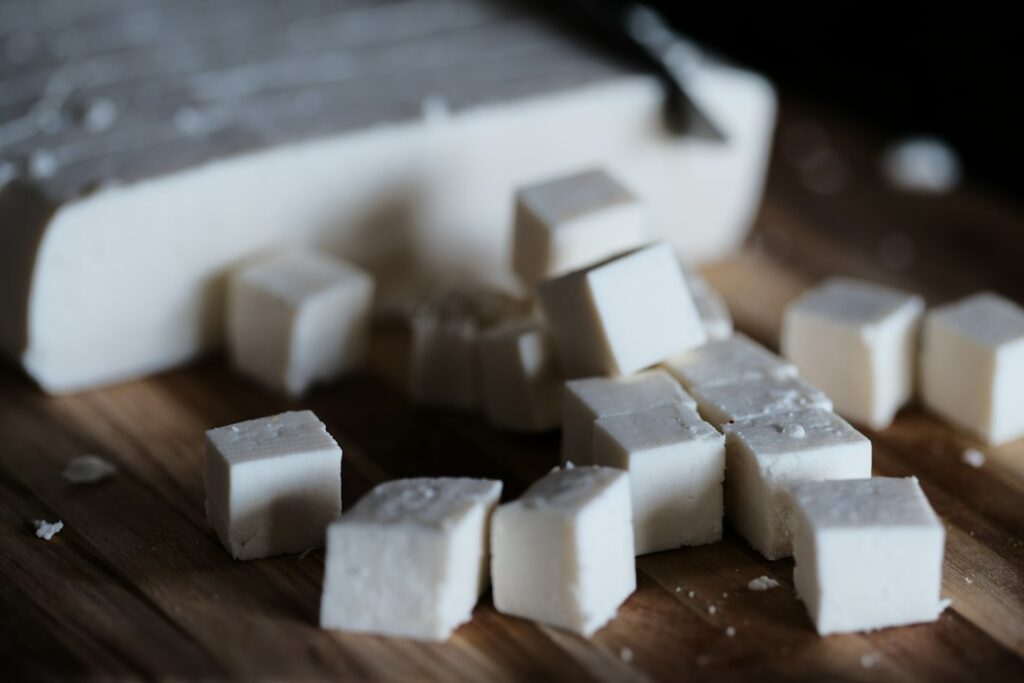
Paneer vs Tofu: Protein, Calories, Calcium & Which Is Better?
6 October, 2026Paneer vs tofu is one of the most common comparisons for vegetarians trying to add more protein without making every meal complicated. Both are versatile, both work well in Indian cooking, and both can be excellent foods — but nutritionally they are not identical.
Quick answer: paneer is usually higher in protein and calories per 100 g because it contains more milk fat and solids. Tofu is generally lighter, contains no cholesterol, and can be easier to fit into a lower-calorie or vegan diet. Calcium in tofu can vary widely depending on how it is made, especially whether calcium salts are used as coagulants. The better choice depends on your goal, portion size and the actual product label.
Paneer vs Tofu: Nutrition at a Glance
| Factor | Paneer | Tofu |
|---|---|---|
| Primary ingredient | Milk | Soybeans / soy milk |
| Diet type | Vegetarian | Vegan / vegetarian |
| Protein | Usually higher per 100 g | Moderate to high, varies by firmness |
| Calories | Usually higher | Usually lower |
| Fat | Higher, including saturated fat | Generally lower; mostly unsaturated fat |
| Carbohydrate | Low | Low |
| Cholesterol | Present | None |
| Calcium | Good source; varies by milk and process | Can be high if calcium-set; check label |
| Lactose | Contains some lactose | Lactose-free |
| Main allergen | Milk | Soy |
Important: nutrition values vary considerably by brand, moisture, fat level and manufacturing method. Use the nutrition panel on the pack when comparing two specific products.
What Exactly Is Paneer?
Paneer is a fresh, unripened dairy product made by heating milk and coagulating it with a permitted acidulant such as citric acid, lactic acid or vinegar. The curd is separated from whey and pressed into a soft block.
Under the FSSAI standard for chhana and paneer, paneer is a defined milk product with compositional requirements for moisture and milk fat on a dry-matter basis. This matters because a very wet, low-fat paneer and a dense full-fat paneer can have quite different calories and protein per 100 g.
If you want a deeper look at paneer as a protein food, read our guide: Is Paneer a Good Source of Protein?
What Exactly Is Tofu?
Tofu is made by coagulating soy milk and pressing the curds into blocks. Its texture can range from silken to extra-firm. Firmer tofu generally contains less water and therefore more protein and calories per 100 g than silken tofu.
One reason online tofu nutrition numbers often look inconsistent is that processing changes composition. Calcium can also differ sharply depending on the coagulant used. Research has noted that tofu made with calcium salts may contain substantially more calcium than tofu made using other coagulants.
Paneer vs Tofu for Protein: Which Wins?
If your only target is protein density per 100 g, paneer often has the edge over many common tofu varieties. A typical paneer may provide roughly 18–21 g of protein per 100 g, although actual values depend on the milk and moisture level. Tofu often falls in a wider range, roughly 8–17 g per 100 g depending on whether it is silken, regular, firm or extra-firm.
But “more protein per 100 g” is not the only useful metric. A high-fat paneer can also bring substantially more calories. That means the better question is often:
How much protein am I getting for the calories and portion size I actually eat?
For a person trying to increase calories and protein together, paneer can be very efficient. For someone trying to keep calories lower while still adding plant protein, firm tofu can be easier to fit into the day.
Protein Quality: Dairy vs Soy
Both dairy proteins and soy proteins provide all nine essential amino acids. Dairy proteins are generally highly digestible. Soy is also considered a high-quality plant protein, though digestibility and amino-acid scores vary by processing and product type.
A review of soy protein quality reported meaningful variation across soy foods and processing methods. That is another reason not to assume every tofu block has exactly the same nutritional quality. See the review on soy protein quality and processing.
Paneer vs Tofu Calories
This is where the practical difference becomes bigger.
Paneer: Full-fat paneer is energy-dense because milk fat remains concentrated in the curd. Depending on the product, 100 g can easily be in the 250–320 kcal range or even higher.
Tofu: Many tofu products contain much more water and less fat. Depending on firmness and formulation, 100 g may be around 70–145 kcal.
So for fat loss, calorie control or large-volume meals, tofu can offer an advantage. For children, athletes, people struggling to meet calorie needs, or anyone wanting a more energy-dense vegetarian meal, paneer may be more useful.
Which Is Better for Calcium?
There is no universal winner because tofu calcium is process-dependent.
Paneer naturally contains calcium from milk, although part of the mineral content can be lost into the whey during manufacture. Tofu can contain substantial calcium when calcium sulphate or another calcium salt is used as a coagulant. Some tofu products made with different coagulants contain much less.
The practical rule is simple: check the label. Do not assume that all tofu is automatically high in calcium or that every paneer brand contains exactly the same amount.
For food-composition reference data, the USDA FoodData Central database is useful because it shows how nutrient values differ across foods and branded products.
Paneer vs Tofu for Weight Loss
If the goal is weight loss, tofu is often easier to use because it generally provides fewer calories per 100 g. You can build a larger plate with vegetables, tofu and a controlled amount of cooking oil without pushing calories up as quickly.
That does not mean paneer must be avoided. Portion size is the deciding factor. A 75–100 g portion of paneer used in a high-vegetable meal can still fit comfortably into many calorie-controlled diets.
Be careful with the cooking method. A “healthy tofu” dish deep-fried or loaded with sugary sauce can contain more calories than a simply grilled paneer dish. Likewise, paneer makhani with cream and butter is nutritionally very different from grilled paneer with vegetables.
Paneer vs Tofu for Muscle Gain
For muscle gain, both foods can work. Paneer is convenient when you want a compact combination of protein and calories. It also pairs naturally with Indian meals such as roti, rice, dal and vegetables.
Tofu can be especially useful when total calories or saturated fat need tighter control. A larger tofu portion can deliver meaningful protein while keeping the meal lighter.
The more important variables for muscle gain are your total daily protein intake, training quality, total energy intake and consistency — not whether one individual meal contains paneer or tofu.
Paneer vs Tofu for Diabetes
Both plain paneer and plain tofu are relatively low-carbohydrate foods. Either can be incorporated into a balanced meal that also contains vegetables, fibre-rich foods and an appropriate portion of whole grains or pulses.
However, diabetes management is individual. Sauces, marinades, fried coatings and meal portions often have a larger impact than the paneer-tofu choice itself.
What About Saturated Fat and Cholesterol?
Full-fat paneer contains saturated fat and dietary cholesterol because it comes from milk. Tofu contains no cholesterol and its fat is predominantly unsaturated.
People who have been advised to reduce saturated fat may find tofu or lower-fat paneer easier to use more frequently. This is not a reason to label one food “good” and the other “bad”; it is a reason to look at the whole-day diet.
Which Is Easier to Digest?
Digestive tolerance varies.
- Paneer: may not suit people with a milk-protein allergy. People with lactose intolerance often tolerate some paneer better than milk, but tolerance depends on the individual and product.
- Tofu: contains no lactose, but it is made from soy and is unsuitable for people with a soy allergy.
If dairy regularly causes symptoms, do not assume paneer will automatically be comfortable simply because it is solid. Similarly, soy tolerance varies between individuals.
Paneer vs Tofu in Indian Cooking
Both can absorb spices well, but the texture is different. Paneer is milky, rich and slightly chewy. Firm tofu is lighter and can be softer or more porous.
In many recipes you can replace paneer with extra-firm tofu almost one-for-one by weight. Press excess water from tofu first, then marinate it before cooking.
Good swaps include:
- tofu tikka instead of paneer tikka
- tofu bhurji instead of paneer bhurji
- tofu palak instead of palak paneer
- tofu stir-fry instead of chilli paneer
- mixed paneer-tofu bowls when you want both dairy richness and lower calorie density
So, Which Is Better: Paneer or Tofu?
Choose paneer when you want a more calorie-dense dairy protein, enjoy its taste and texture, and tolerate milk well.
Choose tofu when you want a vegan option, a generally lower-calorie protein, no dietary cholesterol, or a lactose-free food.
For many people, the smartest answer is not “paneer or tofu?” but “how can I use both intelligently?” Rotating protein sources makes a vegetarian diet more varied and easier to sustain.
A Simple Decision Guide
| Your goal | Usually the easier choice | Why |
|---|---|---|
| Higher protein + calories | Paneer | Dense in milk solids and fat |
| Lower-calorie meals | Tofu | Typically more water and fewer calories |
| Vegan diet | Tofu | Plant-based |
| Lactose-free diet | Tofu | Contains no lactose |
| Higher-calorie vegetarian meals | Paneer | Energy dense |
| Lower saturated-fat pattern | Tofu | Fat profile is generally more unsaturated |
| Calcium | Check the label | Strongly product- and process-dependent |
Frequently Asked Questions
Is tofu healthier than paneer?
Not automatically. Tofu is usually lower in calories and saturated fat, while paneer is often higher in protein and energy per 100 g. The healthier option depends on your goal, portion and overall diet.
Does paneer have more protein than tofu?
Most full-fat paneer products contain more protein per 100 g than soft tofu. Extra-firm tofu can narrow the gap, so compare nutrition labels when choosing between specific products.
Can tofu replace paneer in Indian recipes?
Yes. Extra-firm tofu works well in tikka, bhurji, palak-style gravies, stir-fries and many paneer-based recipes. Pressing and marinating the tofu improves flavour and texture.
Which is better for weight loss, paneer or tofu?
Tofu is usually easier for calorie control because it tends to contain fewer calories per 100 g. Paneer can still fit a weight-loss diet when the portion and cooking fat are controlled.
Which is better for muscle gain?
Both can contribute. Paneer is useful when you need more calories with your protein; tofu is useful when you want protein with fewer calories. Total daily protein and resistance training matter more than choosing one specific food.
Can I eat paneer and tofu on the same day?
Yes. There is no nutritional reason healthy adults must choose only one. Using both can diversify protein sources and meal options.
Bottom Line
Paneer vs tofu is not a contest with one universal winner. Paneer is a concentrated dairy food that generally delivers more protein and calories per 100 g. Tofu is a flexible soy food that is usually lighter, vegan and lower in saturated fat. Compare the actual pack, match the food to your dietary goal, and pay attention to how it is cooked.
For more dairy comparisons, see Cow Milk vs Buffalo Milk and Curd vs Yogurt.
Nutrition figures in this article are practical ranges, not a substitute for the label on a specific product. Individual dietary or medical needs should be discussed with a qualified healthcare professional.