


Awesome Blog Blog
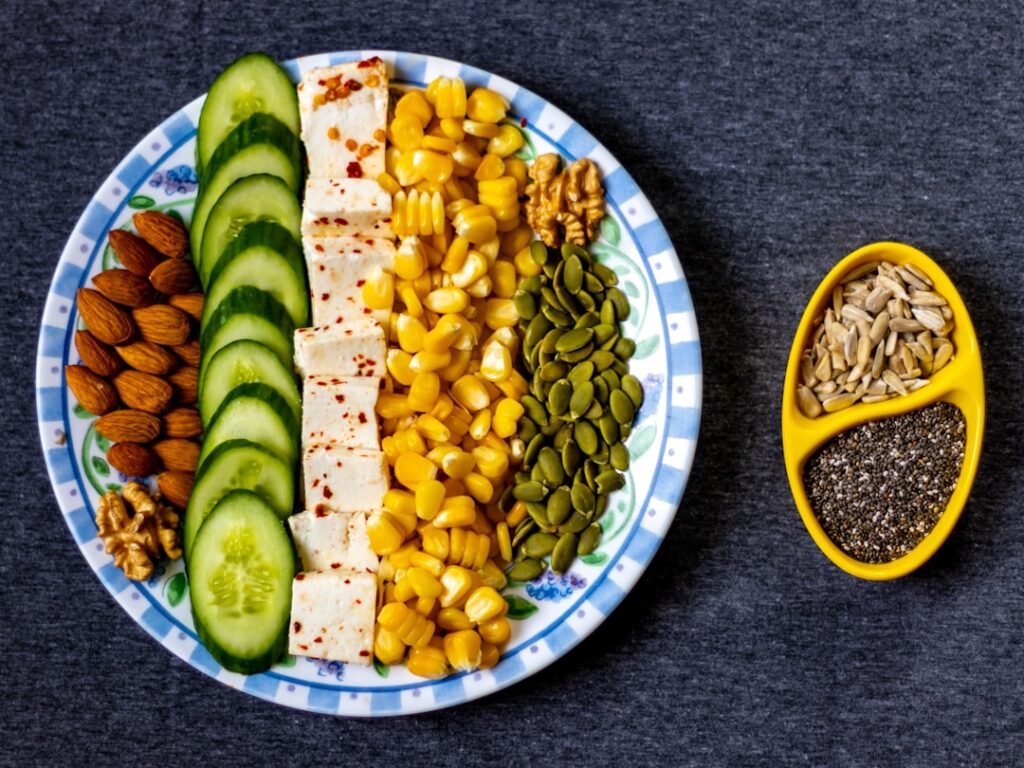
How Much Paneer From 1 Litre Milk? Cow, Buffalo & Toned Milk Yield
6 October, 2026Quick answer: 1 litre of milk usually gives about 160–200 g of paneer from full-fat cow milk and around 200–250 g from buffalo milk. Toned milk generally gives less because there is less fat available to stay in the curd. Exact yield changes with fat, protein, coagulation, whey drainage and pressing.
Paneer yield from 1 litre milk
| Milk type | Typical paneer from 1 litre | Approx. recovery |
|---|---|---|
| Full-fat cow milk | 160–200 g | 16–20% |
| Buffalo milk | 200–250 g | 20–25% |
| Mixed cow + buffalo milk | 180–230 g | 18–23% |
| Toned milk | 140–170 g | 14–17% |
| Skimmed or very low-fat milk | 80–110 g | 8–11% |
These are practical planning ranges, not guaranteed outputs. A published paneer study comparing different market milks reported yields of about 18.0% from whole milk, 16.1% from standardized milk, 15.0% from toned milk and 9.1% from skim milk. Final weight still depends heavily on how much moisture remains in the paneer.
Why buffalo milk gives more paneer
Paneer is made by coagulating milk proteins and retaining a large part of the milk fat in the curd. Buffalo milk normally has more fat and total solids than cow milk, so there is more recoverable material per litre. That is also why buffalo-milk paneer is usually whiter, denser and firmer.
For a detailed raw-material comparison, read our cow milk vs buffalo milk guide.
How much milk is needed for 1 kg paneer?
Use this simple calculation:
Milk required = desired paneer quantity ÷ expected recovery
| Expected recovery | Approx. milk needed for 1 kg paneer |
|---|---|
| 15% | 6.7 litres |
| 18% | 5.6 litres |
| 20% | 5.0 litres |
| 22% | 4.5 litres |
| 25% | 4.0 litres |
For commercial production, calculate yield from milk weight, not only litres:
Paneer yield % = paneer weight ÷ milk weight × 100
Six things that change paneer yield
1. Milk fat
Higher fat usually improves recovery because much of that fat remains in the curd. This is one reason full-cream and buffalo milk outperform toned or skimmed milk.
2. Protein and SNF
Casein forms the curd structure. Two milk batches with the same fat can still give different paneer yields if their protein and solids-not-fat differ.
3. Heat treatment
Heating affects protein interactions and moisture retention. Controlled heating can improve body and recovery, while poor heat control can create a weak or excessively firm product.
4. Coagulation control
If coagulation is incomplete, valuable solids remain in the whey. If the process is too aggressive, the curd can become brittle and lose eating quality. Commercial plants should standardize coagulant strength, milk temperature and endpoint instead of judging only by appearance.
5. Whey drainage
Loss of fine curd particles into the whey directly reduces yield. Plants should track whey solids and fat where possible rather than relying only on visual checks.
6. Pressing and final moisture
A lightly pressed paneer retains more moisture and weighs more. A heavily pressed block loses more whey, weighs less and becomes firmer. Higher yield is therefore not automatically better if it comes only from excess retained water.
Full cream, toned or buffalo milk: which is best?
For home preparation, full-cream milk is usually the easiest choice because it gives a good balance of yield, softness and flavour. Buffalo milk generally gives the highest recovery. Toned milk can make paneer, but expect a lower yield and a firmer body.
For commercial production, choose milk according to target composition, texture and total cost per kg. Buying the richest milk available is not always the lowest-cost route. Our guide to full cream vs toned vs double toned vs skimmed milk explains the Indian milk classes in more detail.
Home paneer vs commercial paneer yield
Home paneer is often softer and wetter. Commercial paneer is normally made against a defined composition and texture target, then packed and chilled. That means a home yield of 220 g from one litre cannot automatically be used for industrial costing.
For plant trials, record milk weight, fat, SNF, protein if available, coagulation conditions, paneer weight after a fixed pressing time, final moisture and whey losses. Without these numbers, “yield” can be misleading.
A simple costing example
If 100 litres of milk costs ₹50 per litre and the plant gets 20% recovery:
- Milk cost = ₹5,000
- Paneer produced = about 20 kg
- Raw milk cost in paneer = about ₹250/kg
That is not the final manufacturing cost. Add labour, utilities, coagulant, chilling, packaging, quality control, product loss, finance and distribution. Whey utilization can partly offset the economics.
What happens to the rest of the milk?
Most of the remaining weight leaves as whey. Whey contains water, lactose, minerals and some proteins and fat that were not retained in the curd. Depending on scale and food-safety controls, it can be used in beverages, dough preparation, fermentation or further dairy processing.
Frequently asked questions
How much paneer will 1 litre of cow milk make?
About 160–200 g from full-fat cow milk is a sensible working range.
How much paneer will 1 litre of buffalo milk make?
Usually around 200–250 g because buffalo milk contains more fat and total solids.
Can I get 250 g paneer from 1 litre milk?
Yes, particularly with high-solids buffalo milk or a softer high-moisture paneer. It should not be treated as a universal benchmark.
Why did I get only 120 g paneer from 1 litre milk?
Possible reasons include low-fat milk, low total solids, incomplete coagulation, curd losses into whey or very heavy pressing.
Does toned milk make good paneer?
Yes, but compared with full-cream or buffalo milk it generally gives less paneer and a firmer, less rich product.
Is paneer yield calculated from litres or kilograms?
Litres are fine for home use. Professional dairies should calculate recovery using milk weight and paneer weight.
Bottom line
If you are asking how much paneer from 1 litre milk, use 160–200 g for full-fat cow milk and 200–250 g for buffalo milk as practical planning ranges. For commercial production, the real target is repeatable recovery at the required moisture, texture and cost, not simply the highest wet weight.
For nutrition, see our guide on paneer as a protein source.